Florida Windshield Tinting: Sun Strips vs. Clear UV Film vs. Medical Exemptions

Florida drivers deal with harsh sun glare almost every single day. The low sun during morning and late afternoon commutes can feel like a spotlight in your eyes, and the heat soaking through the windshield makes every drive more tiring. Many drivers want relief, but they also worry about getting in trouble with windshield tinting laws in Florida.
That is where the confusion starts. You might hear about dark sun strips, clear UV films, and even medical exemptions, but it is not always clear what is actually allowed on the windshield. We will walk through how the law works, the real differences between these options, and which choices can help cut glare while keeping your car legal and safe.
Beat Florida Sun Glare Without Breaking Tint Laws
Spring brings longer daylight hours, more afternoon driving, and a lot of bright glare bouncing off bright concrete and wet roads. In Central Florida, that sun feels strong even on short trips to work, school, or the store. Drivers often squint, lean forward, or flip visors up and down trying to block the light.
That is usually when people start asking questions like:
- Can I tint my whole windshield to cut glare?
- Is a dark strip at the top enough to help?
- Do I need a medical exemption to get real relief?
The problem is that windshield tint rules are not the same as the rules for your side windows. The glass in front of you is treated differently for safety reasons. Our goal here is to clear up what the state allows, then compare sun strips, clear UV films, and medical exemptions so you can make a smart, legal choice for your daily driving.
What Florida Law Really Allows on Windshields
Florida has special rules just for windshields. While the exact legal language is written in state law, the basic idea is pretty simple: the state wants your view of the road to stay bright and clear.
Most cars have a small mark on the windshield called the AS-1 line. This is usually a dotted line or a small label near the top of the glass on each side. Florida law generally allows a tinted sun strip above this AS-1 line across the top of the windshield. Below that line, darker tint is usually not allowed, except for narrow areas that may be part of the factory glass design.
Here is what matters most:
- Where the film is placed on the windshield
- How much visible light the film still lets through, also called VLT
- How reflective or mirror-like the film is
A lot of people think “If it is light, it is fine anywhere on the windshield.” That is not always true. Even a film that looks light can push the windshield below the legal VLT level. That can lead to:
- Fix-it notices or tickets during traffic stops
- Trouble passing certain safety checks
- Having to pay to remove and replace illegal tint
The law treats front side windows differently than the windshield, with their own allowed VLT levels. So what is legal on a front door window is not always legal on the glass right in front of the driver.
Sun Strips Explained: Where They Help and Where They Do Not
A sun strip, sometimes called an eyebrow, is a band of darker tint that runs along the top of the windshield. It usually comes down only as far as the AS-1 line or follows the state’s allowed measurement from the top of the glass. The idea is simple: block the harsh light at the very top of your field of view while keeping the main part of the windshield clear.
A good sun strip can:
- Cut blinding glare when the sun is low
- Make morning and late-day commutes more comfortable
- Work together with your visor for extra shade
Shade level and film quality matter here. A very cheap, very dark strip might seem helpful during the day, but it can feel heavy and distracting at night, especially on roads with fewer streetlights. Higher quality films, like the ones we install, are designed to give strong glare reduction without feeling cloudy or hazy when the road gets dark.
Pros of a legal sun strip:
- Simple way to target the worst overhead glare
- Clear legal rules when it stays above the AS-1 line
- No major change to nighttime visibility in the center of the glass
Cons to keep in mind:
- It does not help much with glare coming through the middle of the windshield
- It does not reduce much overall cabin heat
- If the strip drops too low, it can lead to tickets or forced removal
Clear UV and Heat-Rejecting Films for Full Windshield Protection
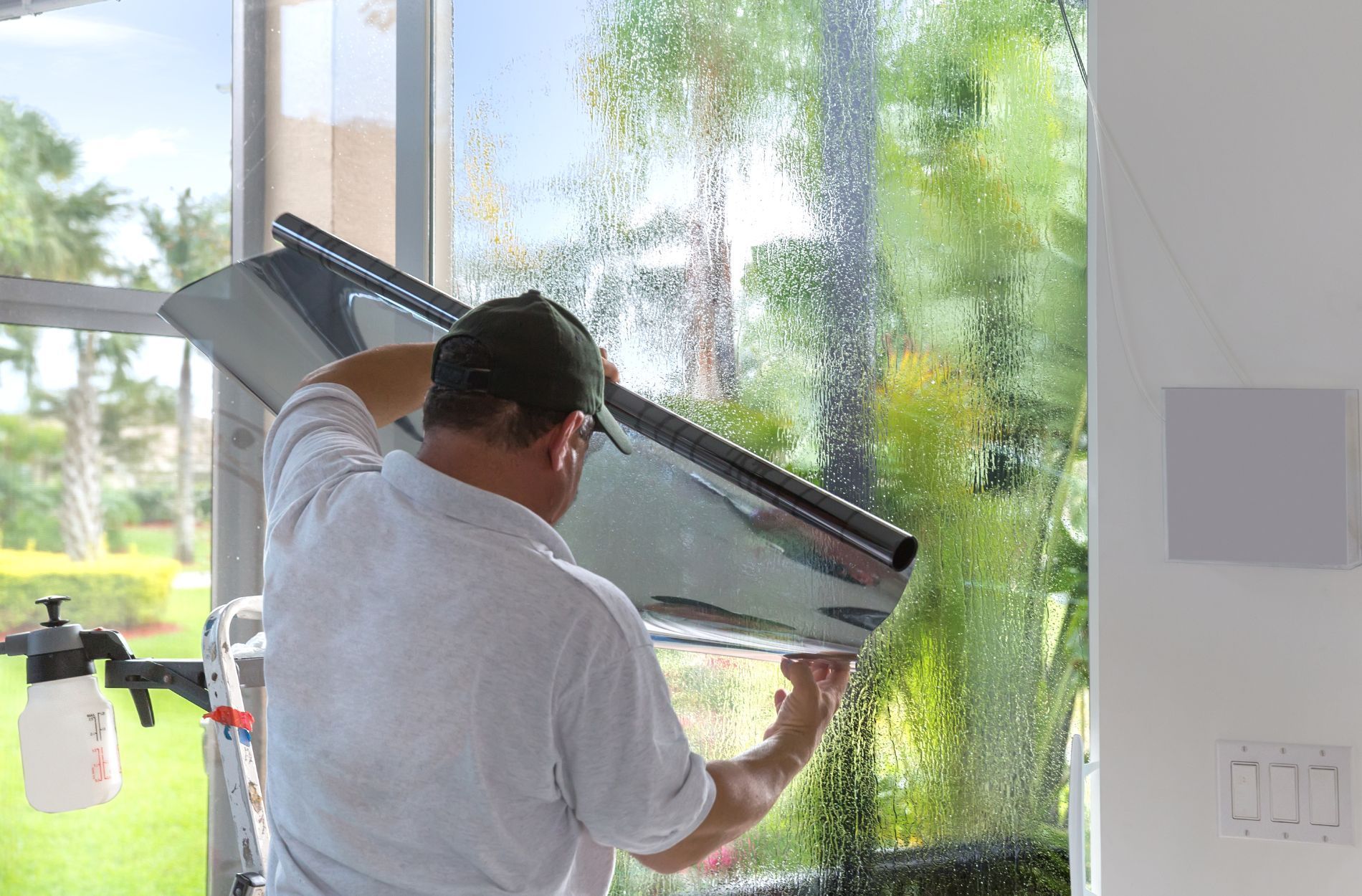
A different option is a nearly clear, high-performance film across the whole windshield. These films use ceramic or similar technology to block a lot of infrared heat and UV rays while keeping the glass looking close to factory clear. From the driver’s seat, it can feel cooler and softer without making the windshield look “tinted” in the usual sense.
Here is what makes these films appealing:
- Strong UV rejection to help protect skin and interior surfaces
- Noticeable heat reduction entering through the windshield
- Only a small change in how dark the glass looks, when the right VLT is chosen
For Florida drivers, especially before peak summer heat and long glare heavy evenings, this kind of film can be a big comfort upgrade. The key is staying compliant with windshield tinting laws in Florida by choosing a film that keeps the overall VLT within the legal range for the windshield.
Compared to sun strips:
- Clear films help the whole cabin feel cooler, not just your eyes
- They help your dash, steering wheel, and seats stay in better shape
- Daytime glare is softened across the full view, but nighttime visibility stays very close to stock when done right
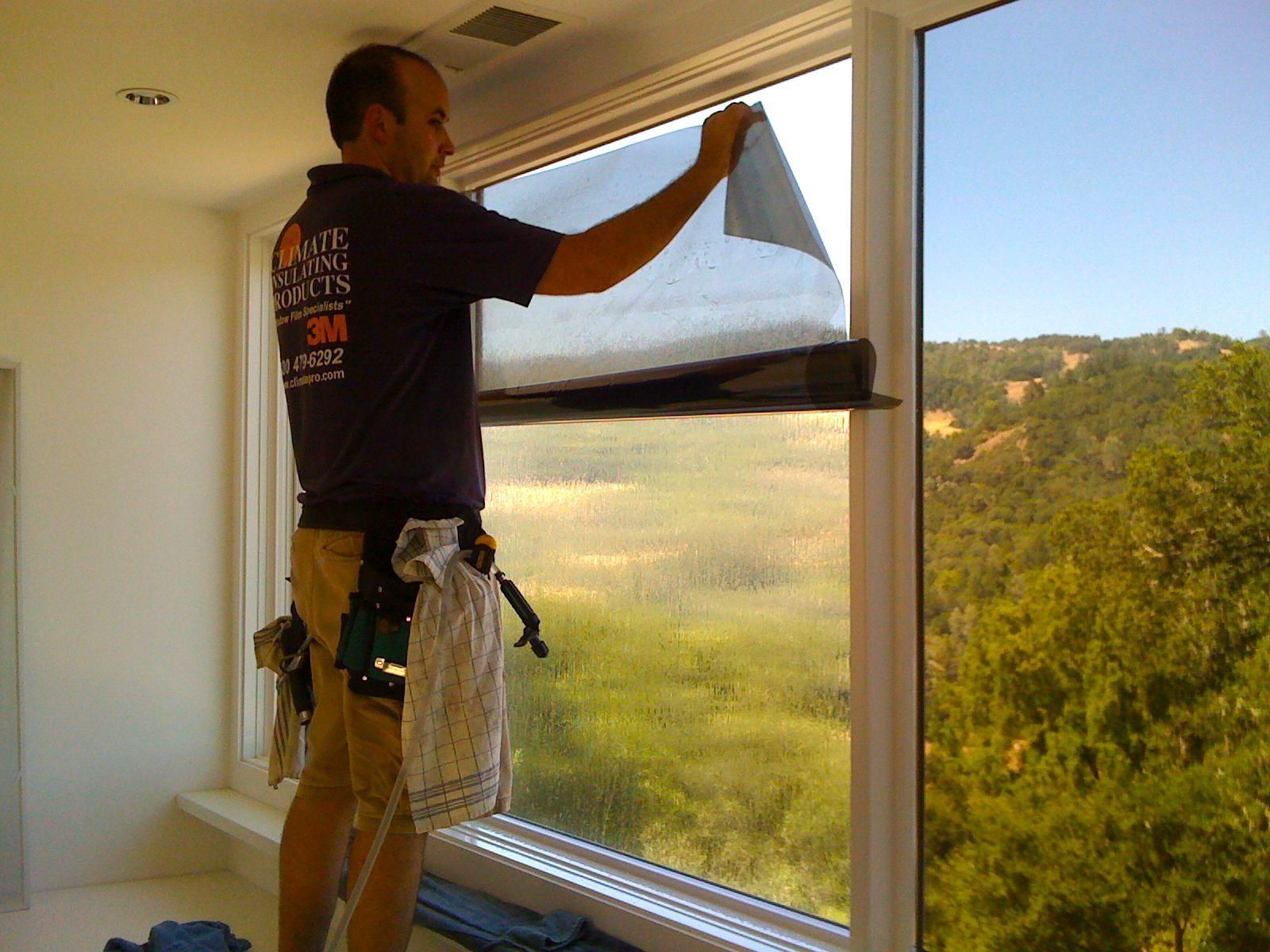
Working with a professional installer who understands these films and local rules is important, because even “clear” films change the light transmission numbers.
Medical Exemptions in Florida: What Is Legit and What Is Not
Some drivers deal with medical conditions that make them extra sensitive to light. For those people, Florida offers a medical tint exemption process. This is not something that happens at a shop, and it is not based on a casual note. It involves the state and approved documentation.
In general, here is how a real medical exemption works:
- The driver has a qualifying light-sensitive or skin condition
- A licensed medical professional provides specific written documentation
- The driver applies through the proper state channel to receive an exemption
When approved, that exemption can allow darker tint than usual, sometimes including the windshield, although limits still apply. The driver normally needs to keep the official paperwork in the vehicle to show during traffic stops.
Important points:
- A verbal “OK” from a doctor is not enough
- Shops cannot grant or promise exemptions
- Dark, medical-level tint without proper state paperwork is treated as illegal
Relying on myths or shortcuts can lead to fines, tickets, or being forced to remove expensive tint. If you believe you might qualify, the safest path is to talk with your medical provider and follow the state’s official process before changing your glass.
Choosing the Right Windshield Tint Option for Your Daily Driving
Different drivers need different solutions. That is why it helps to think about your daily route, your eye comfort, and how your vehicle is used.
In simple terms:
- Sun strips work best if your main problem is bright light at the top of the windshield during sunrise and sunset
- Clear UV and heat-rejecting films help when you want better comfort, lower heat, and protection across your entire windshield, while still keeping a natural look
- Medical exemptions apply only if you qualify and complete the proper state process, and they are meant for specific health needs, not style or general comfort
In Eustis and across Lake County, the sun is part of life on the road, from school runs to long highway drives. A professional tint consultation can help match film type, shade, and placement to your vehicle and your daily drive, while staying within windshield tinting laws in Florida. With the right setup, you can cut glare, stay cooler, and still keep the clear, legal view you need every time you get behind the wheel.
Get Started With Your Project Today
If you are ready to upgrade your vehicle while staying compliant with
windshield tinting laws in Florida, we are here to help. At
Solar-Tec Glass Tinting, we take time to explain your options so your tint looks great and meets state regulations.
Reach out to our team today to discuss your goals, get a clear estimate, and schedule professional installation tailored to your needs.