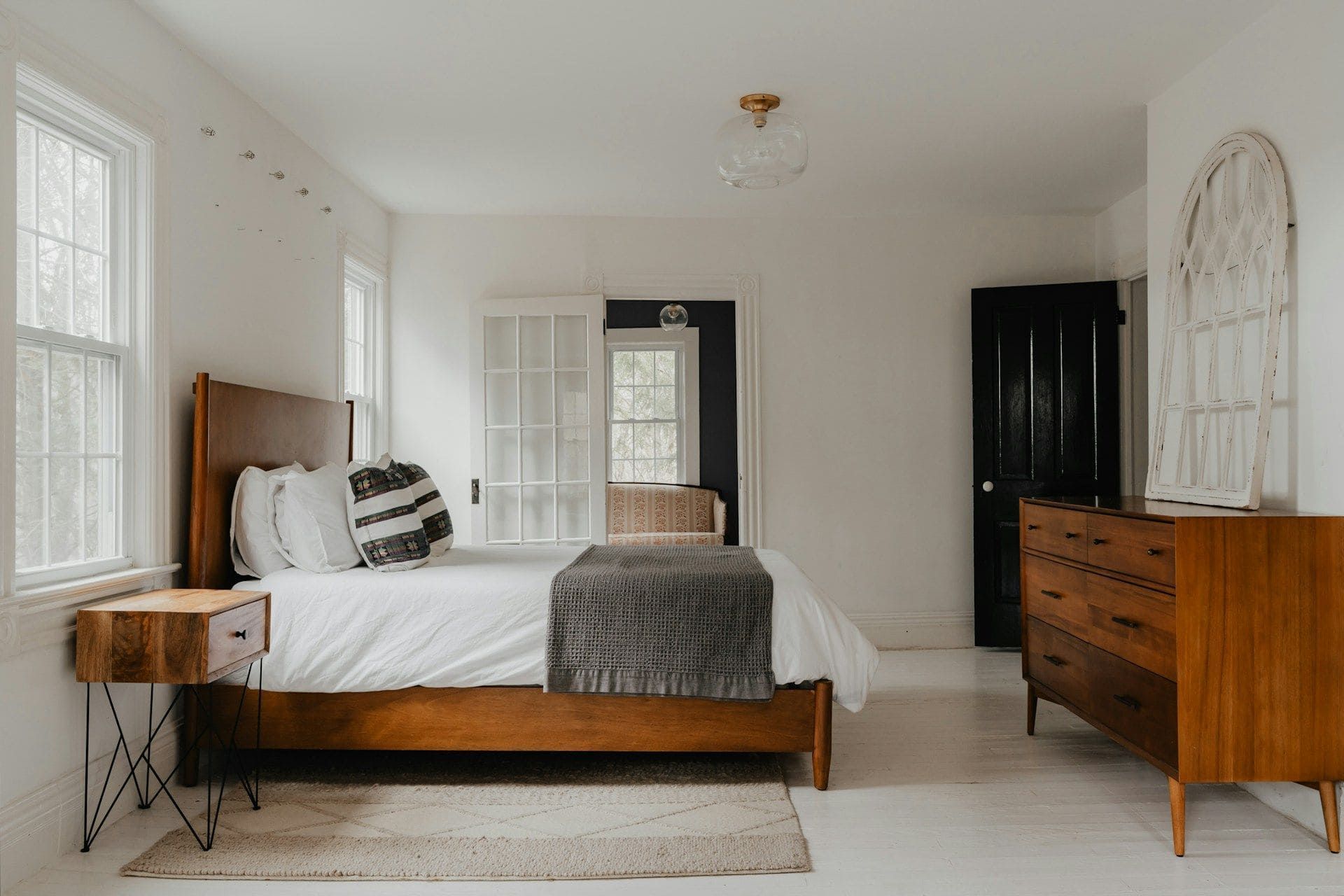
Florida HOA Window Film Compliance Checklist
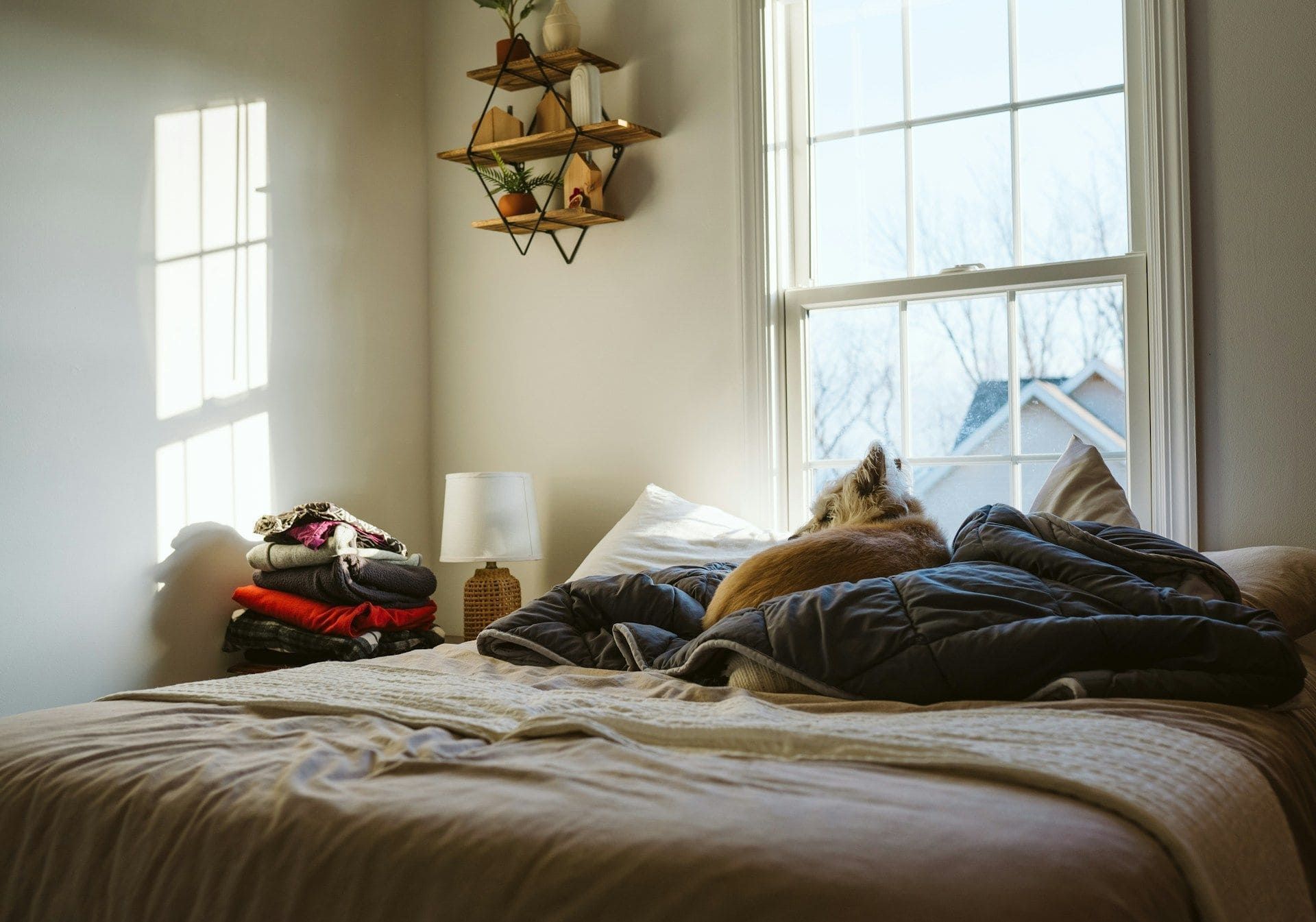
Keep Your HOA Happy While Beating Florida Heat
UV-blocking window film for homes in Florida can make a huge difference in comfort. It helps cut harsh heat, bright glare, and fading of furniture, floors, and decor. For many homeowners, it is one of the easiest ways to make a house feel cooler without overworking the AC all day.
But if you live in an HOA community, you cannot just pick any film and hope for the best. HOAs care a lot about how windows look from the street. They want the neighborhood to look consistent, and they have rules to protect property values. This guide walks through a simple checklist so you can enjoy the benefits of window film without worrying about fines, violations, or tearing the film off later.
In midsummer, when the Florida sun feels especially strong and the AC runs nonstop, small changes matter. With the right film and proper HOA approval, you can cut heat and glare, keep your home more comfortable, and still keep your HOA happy.
Know Your HOA Rules Before You Pick a Film
Before you talk to any installer or start looking at sample films, start with your HOA paperwork. The answers you need are usually already there.
Most Florida HOAs spell out rules in:
- Covenants, Conditions, and Restrictions, also called CC&Rs
- Architectural or design guidelines
- Community standards or rules and regulations
Key details to look for include:
- Any mention of window film, window tint, or reflective glass
- Required visible light transmission limits, such as keeping glass “clear” or “light”
- Limits on mirrorlike or reflective surfaces
- Rules for front-facing windows versus rear or side windows
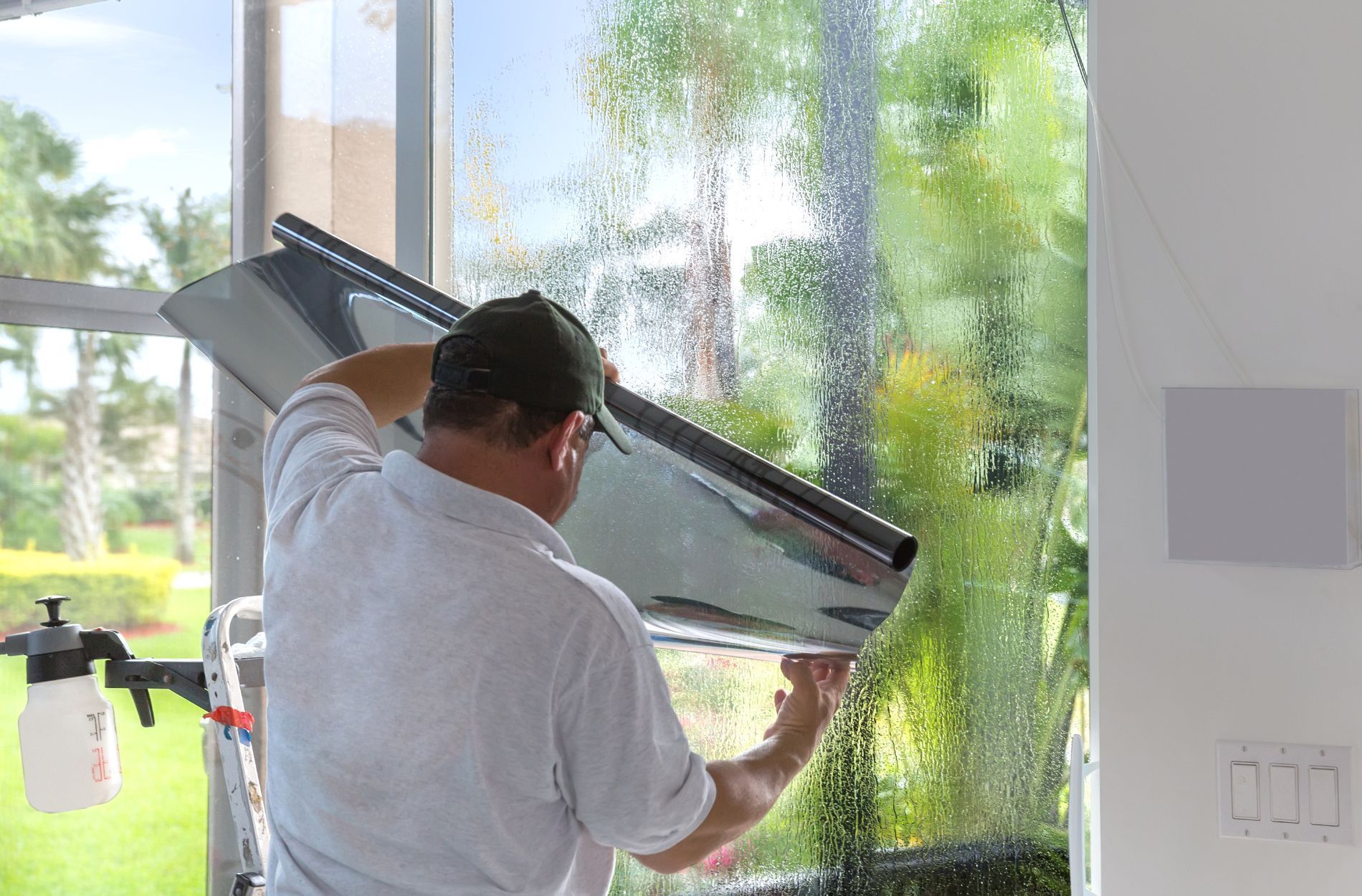
- Whether the film must be installed on the interior side of the glass
Sometimes the guidelines are short or a little unclear. In that case, it helps to send the HOA a simple email asking for clarification. You might ask, for example, what VLT (visible light transmission) range is allowed or if neutral, nonreflective film is acceptable on rear windows.
Always:
- Get any clarifications in writing
- Save the email or letter with your records
- Share those details with your installer so they can match a film to the rules
Starting here can save you a lot of stress later, since your film choice will be based on what your HOA already allows.
VLT and Reflectivity Limits Most HOAs Expect
VLT, or visible light transmission, is just a fancy way of saying how light or dark your windows look. A high VLT means the glass looks clear and bright. A lower VLT means the glass looks darker. Many HOAs want windows on front elevations to stay fairly light and natural.
Reflectivity is how shiny or mirror-like the glass looks from the outside. Some films can make windows look like mirrors during the day. That can be great for privacy but often goes against HOA rules and sometimes local codes.
Many HOAs in Florida prefer:
- Light to medium VLT on front-facing windows
- Non-mirrored, low-reflectivity film
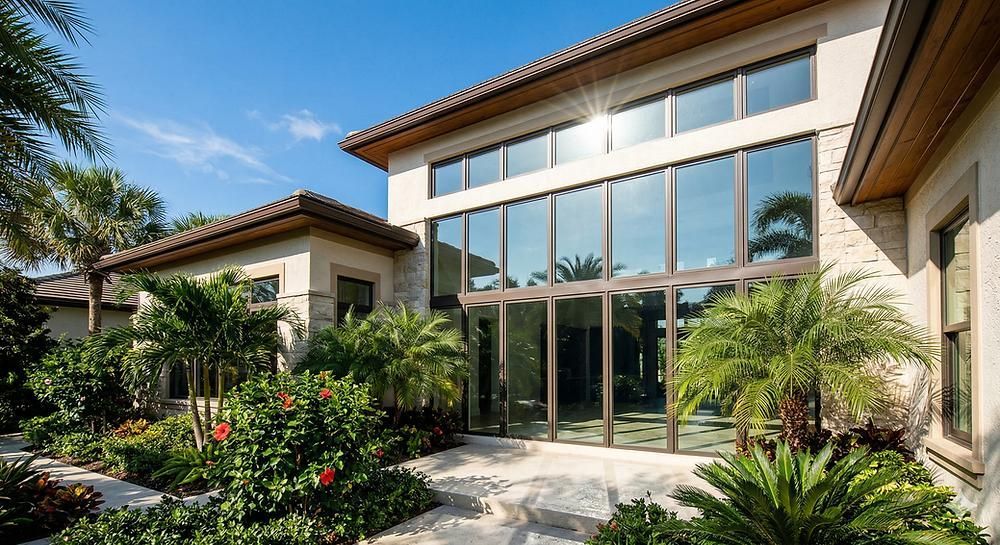
- A look that stays close to standard clear glass from the street
Premium architectural films, like the LLumar series we work with, can meet stricter rules while still cutting a noticeable amount of heat and glare. That means you do not need a very dark or shiny film to feel a difference inside your home.
In some areas, HOAs follow local city or county limits on reflectivity and appearance. This is another good reason to:
- Check local building or zoning guidelines when possible
- Talk with a professional installer who understands typical Florida standards
- Match both HOA and local code rules before you submit an approval request
Color, Mirror Look, and Consistent Curb Appeal
Color and shine are two big reasons HOAs say no to window films. Even if a film cuts heat very well, it might not pass if it changes the look of the community.
Films that often raise red flags include:
- Highly mirrored silver or chrome films
- Strong blue, green, or bronze tones
- Very dark charcoal films that make glass look almost black
On the other hand, many HOAs are more comfortable with neutral or subtle gray films that do not stand out. Modern UV-blocking window film for homes in Florida can be very clear or lightly tinted. From the street, it can look close to bare glass, while inside it still helps block heat and filter out UV light that can fade fabrics and flooring.
To keep curb appeal consistent, focus on:
- Using the same film on all windows that face the street
- Matching the look of any existing glass as closely as possible
- Avoiding mixed tints such as dark film on upstairs and light film downstairs
- Keeping a uniform appearance on major elevations, especially the front
When windows look consistent across the home, they blend into the neighborhood instead of drawing unwanted attention from the HOA.
HOA Approval Process and Sample Request Language
Most HOAs in Florida have a standard architectural request process. It may feel a bit formal, but once you know what they expect, it is pretty straightforward.
You will usually need to:
- Fill out an architectural or exterior modification form
- List what you plan to install, where, and why
- Attach product information and details about the installer
- Wait for the review period before scheduling the work
Helpful items to include with your request:
- Manufacturer spec sheets showing VLT, exterior reflectivity, and color description
- A note that the film will be installed on the interior surface of the glass
- Sample photos of similar installations, if allowed
- Your installer’s basic information, including proof of insurance or license if requested
For many homeowners, the hardest part is figuring out what to write in the request. Here is sample language you can adapt, based on your film choice and HOA rules:
“I am requesting approval to install nonreflective, neutral UV-blocking window film on the interior surface of my existing windows. The proposed product is LLumar [product line], with a visible light transmission of approximately [X]% and an exterior reflectivity of approximately [Y]%. The film has a neutral appearance designed to maintain the original look of the windows while significantly reducing solar heat, glare, and over 99% of UV rays to protect interior furnishings. Installation will be performed by Solar-Tec Glass Tinting, a licensed and insured professional window film contractor in Lake County, Florida.”
You can edit this to match your exact product and HOA requirements. Your installer can help you fill in the VLT and reflectivity numbers.
Next Steps to Get HOA-Safe Window Film Installed
Once you understand your HOA rules and you know what your community expects, the process feels much easier. The simple checklist looks like this:
- Read your CC&Rs and architectural guidelines
- Confirm any limits on VLT, reflectivity, and film color
- Choose a neutral, nonmirrored film that fits those rules
- Gather spec sheets and installer info for your request
- Wait for written approval before scheduling the installation
In Florida, especially as summer goes on and days stay bright and sunny, UV-blocking window film for homes in Florida can help your home feel calmer and more comfortable. It can reduce harsh glare on TVs and screens, help lower cooling strain, and protect furniture and flooring from fading, all without changing the overall look of your neighborhood.
Around Lake County and across Central Florida, we see many HOAs that are open to window film when it is done the right way. With the right product, clear specs, and a careful approval request, you can keep your HOA happy and still get the comfort, privacy, and UV protection you want from quality LLumar films installed by our team at Solar-Tec Glass Tinting.
Get Started With Your Project Today
Protect your interiors, improve year-round comfort, and cut harsh glare by having
Solar-Tec Glass Tinting install premium
UV-blocking window film for homes in Florida. We will evaluate your windows, discuss your goals, and recommend a film that fits both your home and your budget.
Reach out today so we can
schedule a convenient in-home consultation and get your project on the calendar.