Florida AC Bill Breakdown: Estimate Window Heat Gain + When Solar Film Pays Off
Stop Guessing Your AC Bill: See What Your Windows Cost You
High AC bills in Florida are not a mystery. In many homes, a big part of the problem is simple: hot sun blasting through bare or lightly tinted glass. Certain rooms feel warmer, the AC runs longer, and you are left wondering why the house never quite stays as cool as the thermostat says it should.
Windows often let in a large share of unwanted heat, especially on the west and south sides of the house where the afternoon sun hits hardest. The good news is that you can get a rough idea of how much those windows are costing you with a few simple checks. By pairing that information with what we know about solar window film, you can see when an upgrade might finally put those stubborn rooms in line and help lower cooling costs.
How Florida Windows Supercharge Your Cooling Costs
In our warm, sunny climate, glass acts like a doorway for heat. Windows add heat to your home in three main ways:
- Direct solar radiation: Sunlight hits the glass and sends heat straight into the room.
- Conductive heat transfer: Hot outdoor air warms the glass, and that warmth moves through to the cooler side.
- Air leaks around frames: Gaps around the window let hot, humid air sneak inside.
Even on days that feel a little less intense, long hours of bright sun keep indoor temperatures climbing. Clear or lightly tinted glass does very little to slow that heat, so your AC has to work harder and longer.
A few simple terms help explain what is going on:
- Solar Heat Gain Coefficient (SHGC): How much solar heat gets through the glass. Lower SHGC means less heat gain.
- U-factor: How easily heat passes through the window from hot to cool. Lower U-factor means better insulation.
- Visible Light Transmission (VLT): How much visible light comes through. Higher VLT means a brighter room.
Typical clear double-pane windows let in a lot of solar heat compared with windows treated with modern solar control film. Many Lake County homes have:
- Large sliding glass doors to patios or pools
- Older single-pane windows
- Big west-facing picture windows
These spots often become the “problem children” of the house, warming up faster and staying hotter than other areas.
DIY Heat Gain Checkup with Simple Tools
You do not need special software to get a feel for window-driven heat gain. A few low-cost tools can give you helpful clues:
- Basic infrared thermometer or temperature gun
- Simple indoor thermometer (data logging is helpful but not required)
- Notebook or spreadsheet
- Last 12 months of power bills
Pick a hot, sunny afternoon between about 2 and 5 p.m., when the sun is strong and the AC is likely running. Then, walk through your home and test:
- Glass surface temperature: Aim the infrared thermometer at the inside of the glass in direct sun versus shaded glass.
- Nearby air temperature: Hold a regular thermometer a few feet inside the room, away from vents, and compare near sunlit glass versus interior walls.
- Blinds open vs closed: Note how fast the room heats up when you open blinds or curtains on a sunny window.
You will quickly spot your “hot glass offenders.” These are usually:
- The hottest glass surfaces, especially on the west and south sides
- The biggest pieces of glass, like sliders or picture windows
- Rooms that feel stuffy or sticky even with the AC running
Write down for each problem window:
- Room name
- Direction it faces (north, south, east, west)
- Rough size (for example, small bedroom window vs large slider)
- Any existing tint, shades, or exterior shading
These simple notes set you up for the next step: tying what you feel in those rooms to what you pay on your power bill.
Turning Your AC Bill Into Window Heat Numbers
Now it is time to look at your electric bills. Gather the last 12 months and find your total kWh used and total dollar amount paid. Divide dollars by kWh to get your average cost per kWh. Many utilities use tiered rates, but a simple average is fine for this estimate.
Next, focus on your “heavy AC” months, when your bills clearly jump. That extra cost is often tied to cooling. In many Florida homes, a meaningful share of that cooling work comes from dealing with solar heat entering through windows. A rough way to think about it is:
- Total summer electric bill
- Subtract what your bill looks like in cooler shoulder months
- The difference is mainly cooling and humidity control
From that cooling slice, a reasonable rule of thumb is that windows can account for a noticeable portion of the load, especially if you have a lot of exposed glass. For a simple estimate, you might:
- Look at how much you spend on power in peak months
- Decide what share of that feels tied to the hottest, sunniest rooms with the worst windows
- Treat that share as “window-driven” cooling cost
For example, if your AC cost in summer works out to around 200 dollars a month and you figure about one-third of that effort is from fighting solar gain through glass, that is about 60 dollars monthly tied to window heat. The exact number will not be perfect, but it is good enough to compare against what solar film could save.
When Solar Window Film Pays Off in Florida Homes
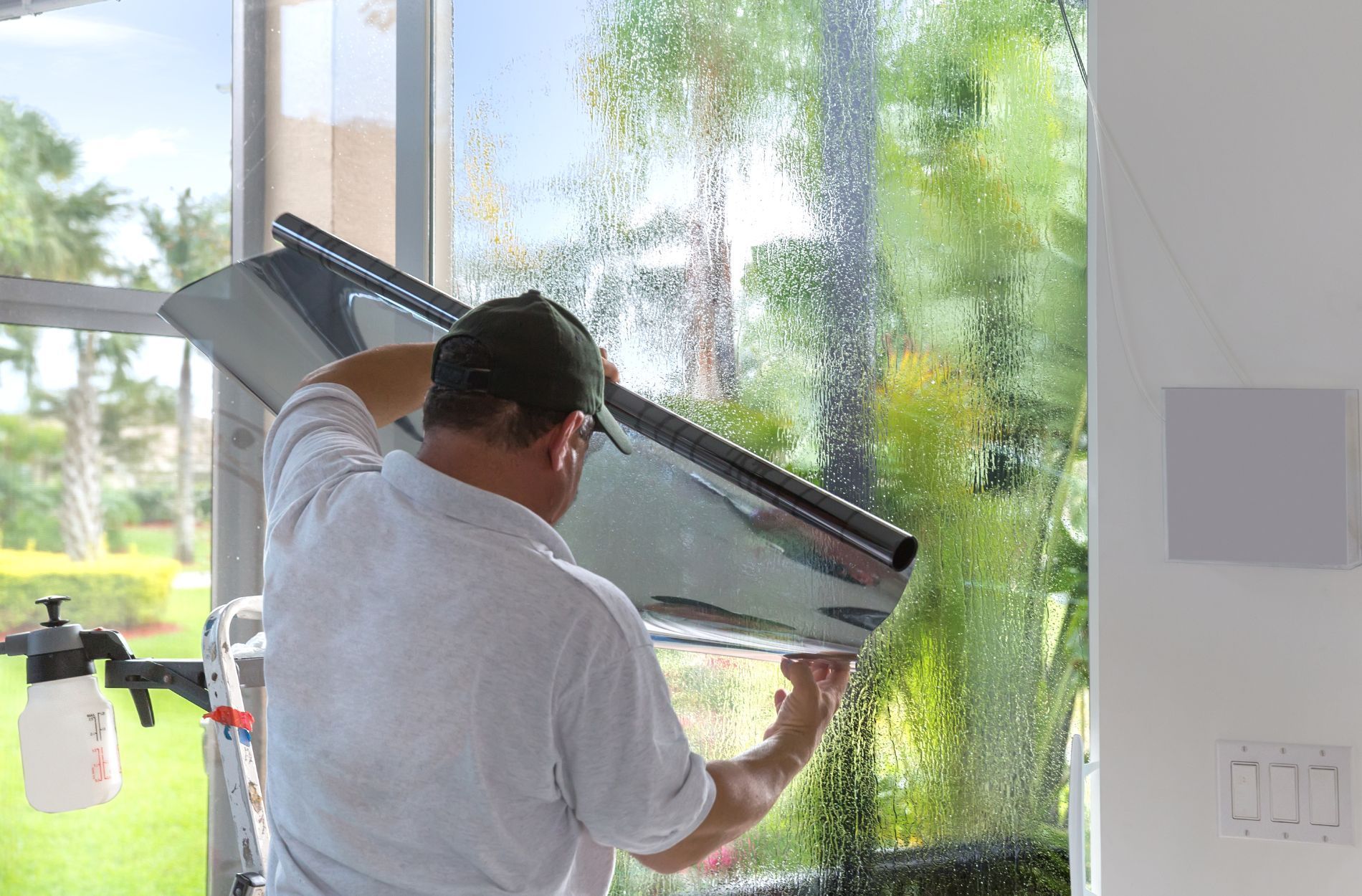
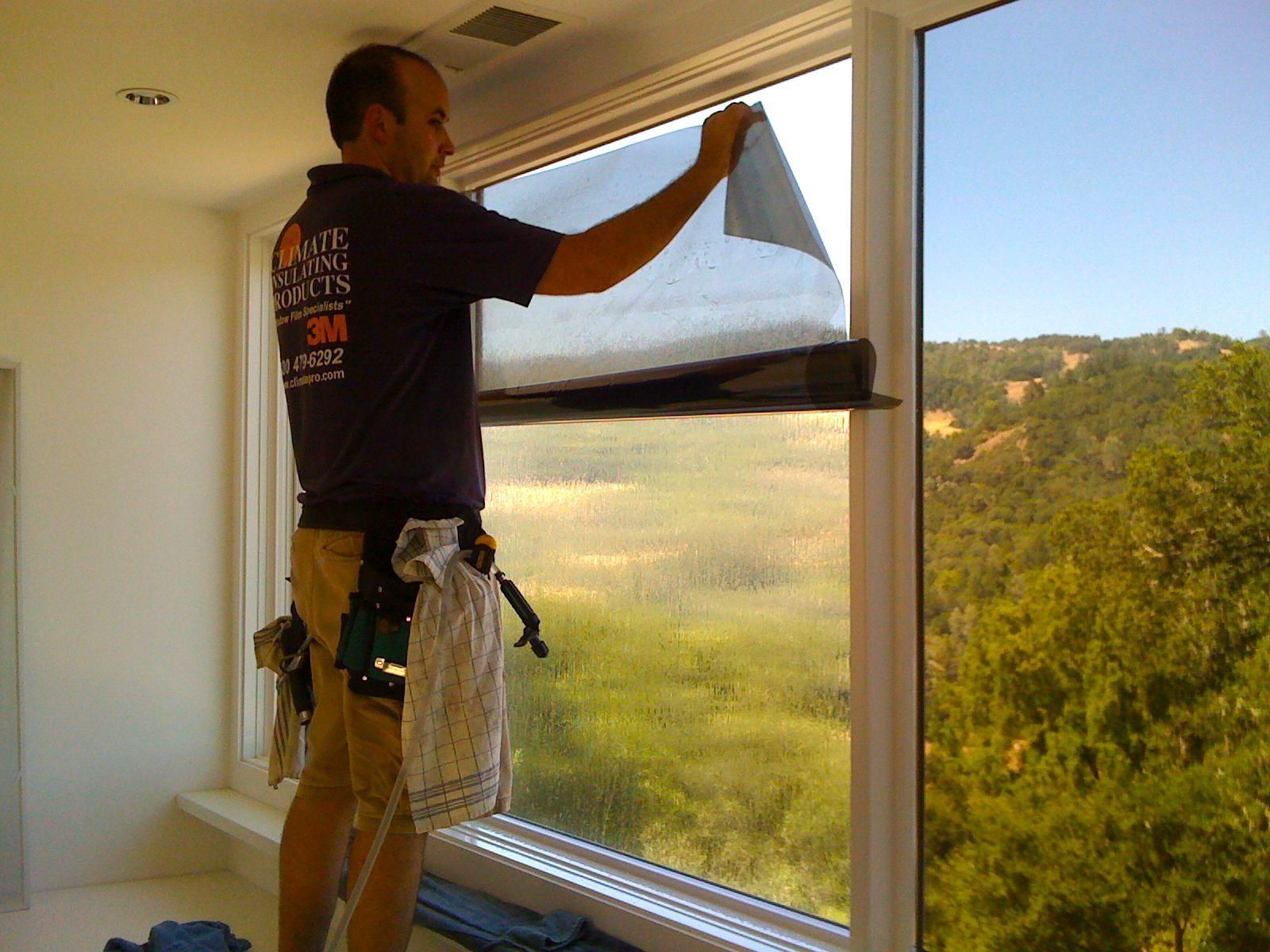
High-quality solar window films, like the Llumar, FormulaOne, and Vista films we install, are designed to cut solar heat gain, block almost all UV, and reduce glare while keeping a clear view outside. On the sides of a home that get the most sun, many homeowners see cooler rooms, less strain on the AC, and more even temperatures from wall to wall.
Real-world energy savings depend on:
- Type and age of your glass
- Size and number of windows
- Direction each window faces
- Which film performance level you choose
If the hot rooms you measured are responsible for a big piece of your AC use, and film can take a generous chunk out of that load on those windows, the payback can show up over just a few cooling seasons. Treat the cost of film on your worst windows as an “upgrade” and stack that against the yearly amount you believe you are spending to cool those specific areas.
Along with energy savings, solar films bring other benefits that add long-term value:
- UV protection for flooring, furniture, artwork, and fabrics
- More daytime privacy, especially on street-facing windows
- Added shatter resistance that helps hold glass together if it is broken
- Less glare on TVs and screens so you can actually enjoy bright rooms
When professional installers match the right film to your specific glass, direction, and goals, you get performance that lines up with product ratings, plus manufacturer-backed warranties that help protect your investment.
Your Next Steps Before Another Hot Florida Season
If you are tired of guessing about your AC bill, a quick window checkup is a simple way to start. Identify your hottest rooms, measure window and room temperatures on a sunny afternoon, and compare your yearly power bills. Use your notes to estimate how much money is going toward cooling down the sunniest glass in your home.
Once you see those rough numbers, you can decide if upgrading those windows with solar control film makes sense. When you are ready for professional help, Solar-Tec Glass Tinting in Eustis can review your notes, evaluate your glass, explain different Llumar, FormulaOne, and Vista options, and provide film recommendations tailored to your home and your comfort goals.
Get Started With Your Project Today
If you are ready to cut cooling costs and keep your home more comfortable year-round, our team at Solar-Tec Glass Tinting is here to help. Explore how
home window film energy savings in Florida can make a real difference in your energy bills and daily comfort. We will walk you through film options, provide a clear, detailed quote, and schedule installation at a time that works best for you. Reach out today so we can help you protect your interiors, improve comfort, and save on energy.