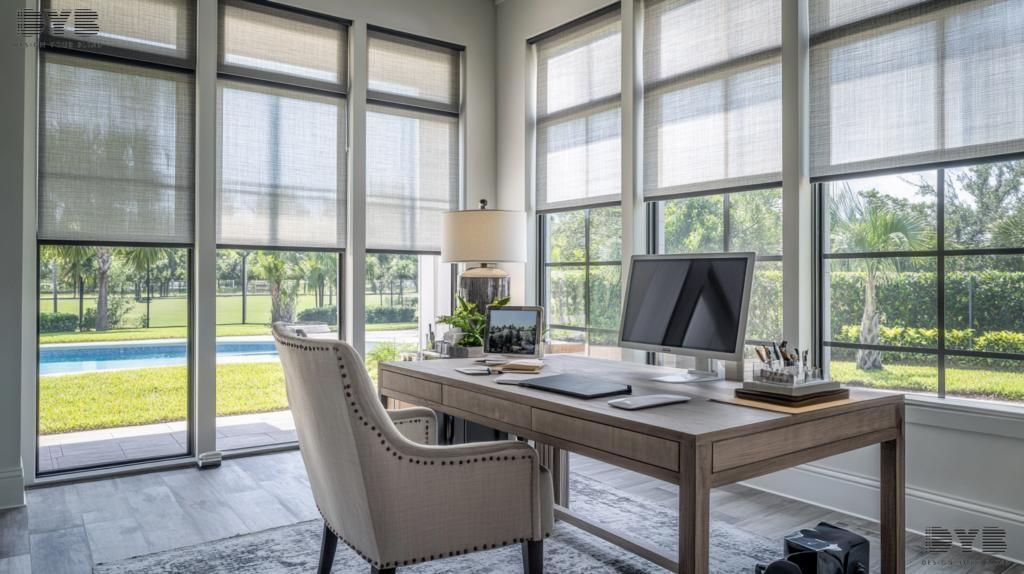
Florida Hot Rooms: Diagnose Insulation, Air Leaks, Ducts, and Window Film

Stop Suffering in That One Hot Florida Room
A single hot room can make your whole home feel uncomfortable. Maybe it is the bonus room over the garage, a west-facing bedroom, or the home office that turns into an oven after lunch. You set the thermostat lower, the AC runs nonstop, and that room is still sticky and warm.
Many people blame only the AC or the windows, but the real problem is usually a mix of things working against you. Attic insulation, air leaks, duct balance, and solar heat coming through the glass all play a part. When you know how to sort those pieces out, you can finally fix the problem instead of guessing.
In this guide, we walk through how to diagnose what is really going on, how to tell when window film to reduce heat for a Florida home is the right move, and when you should tackle other issues first for better comfort.
Why Some Florida Rooms Stay Hot No Matter What
Florida homes work hard against the sun almost all year. A small flaw that might be no big deal in a cooler state can turn into a big comfort problem here, especially in the middle of the afternoon.
There are four main culprits when one room will not cool down:
- Poor or uneven attic insulation above that room
- Air leaks around doors, windows, and recessed lights
- Misbalanced or undersized HVAC ductwork feeding that space
- Solar heat gain from sunny glass that acts like a giant heater
High humidity makes it worse, because the air already feels heavy. Your AC has to pull heat and moisture out of the air, and any extra heat that sneaks in from the attic or through the glass just adds to the load. If you only swap the thermostat setting or add a fan without finding the real cause, you can end up paying more on your energy bill without fixing that hot corner of the house.
Step-by-Step Checklist to Diagnose a Hot Room
You do not need fancy tools to get a basic idea of what is going on. A careful walk-through can point you in the right direction.
Start with simple checks:
- Feel for temperature differences at the ceiling and walls
- Note how much sun hits each window and when
- Compare airflow from the vents in different rooms
- Write down what time of day the room feels the worst
A basic tissue test can help you find leaks. Hold a tissue or a stick of incense near door frames, recessed lights, and pull-down attic stairs. If the tissue moves or the smoke pulls in one direction, air is leaking through that spot.
At night, turn off the room lights and shine a flashlight around door and window edges from the other side. If you see light showing through, that gap is a path for hot outside air.
If you have a simple infrared thermometer, even better. Point it at:
- The ceiling over the hot room
- Interior walls away from windows
- The glass of each window and sliding door
If the ceiling is much hotter than the walls, the attic or insulation is suspect. If the glass is way hotter than nearby wall surfaces during sunny hours, solar gain is likely the main problem. If airflow from that room’s vent feels much weaker than other rooms, look at duct and system balance.
Attic, Air Leaks, Ducts, or Glass
Once you have some clues, you can sort issues by priority.
Attic insulation usually comes first when:
- The home is older and the attic looks patchy or thin
- Rooms right under the roof, like bonus rooms, feel warmer than the rest of the house
- The whole top floor tends to run hotter than the main level
Air sealing gives a big payoff when:
- You feel drafts around doors, outlets, and recessed can lights
- The area around attic hatches or pull-down stairs feels extra warm
- There are big swings in comfort when it gets extra hot or windy outside
Duct and system balance problems show up when:
- One room has very weak airflow even with the vent fully open
- Long duct runs feed rooms over garages or at the far ends of the house
- Additions or enclosed porches were tied into an older system that was never sized for the extra space
Then there is the glass. Classic solar gain issues include:
- West-facing rooms that feel fine in the morning, then spike in temperature from midafternoon until evening
- Rooms with large sliders or big picture windows that feel bright but uncomfortable, even while the AC is running
- Home offices or TV rooms where glare on screens is bad and the air near the glass feels hotter
When those patterns match what you feel, the windows are often a big piece of the puzzle.
Decision Tree for When Film Is the Best Fix
You can think through a simple decision tree to decide what to tackle first.
Start with this question: is the whole house warm, or just one or two rooms?
- If the entire home struggles to cool, look at HVAC and attic insulation first.
- If most rooms are comfortable and only a few sunny spaces overheat, solar gain through glass jumps to the top of the list.
Next, look at the symptoms in that hot room:
- Does the window glass feel much warmer than interior walls in the afternoon?
- Do you keep blinds or shades closed all day, but the room is still hot and maybe dark?
- Are floors, artwork, or furniture near the windows starting to fade?
If you are saying yes to these, then window film to reduce heat for a Florida home is likely one of the best fixes, not an afterthought. In some homes, film is the main solution that tames a few stubborn rooms. In others, it is the finishing touch after attic and duct issues are handled, bringing the last hot spots in line with the rest of the house.
One nice thing about film is that it cuts heat gain, glare, and UV damage without blocking natural light or views the way heavy shades and curtains often do.
How Modern Window Film Solves Florida Solar Gain
Modern residential window films are very different from dark, mirror-like tint from years ago. High-performance films from brands like LLumar, FormulaOne, and Vista use spectrally selective technology that targets the most intense parts of solar energy. They reject a large share of solar heat and UV while still allowing plenty of visible light into the room.
For Florida homes in midsummer, that means:
- Less radiant heat pouring off the glass surface
- More stable room temperatures through the afternoon
- Less strain on your AC during long hot days
- Better comfort in rooms with big sliders or wide glass facing the sun
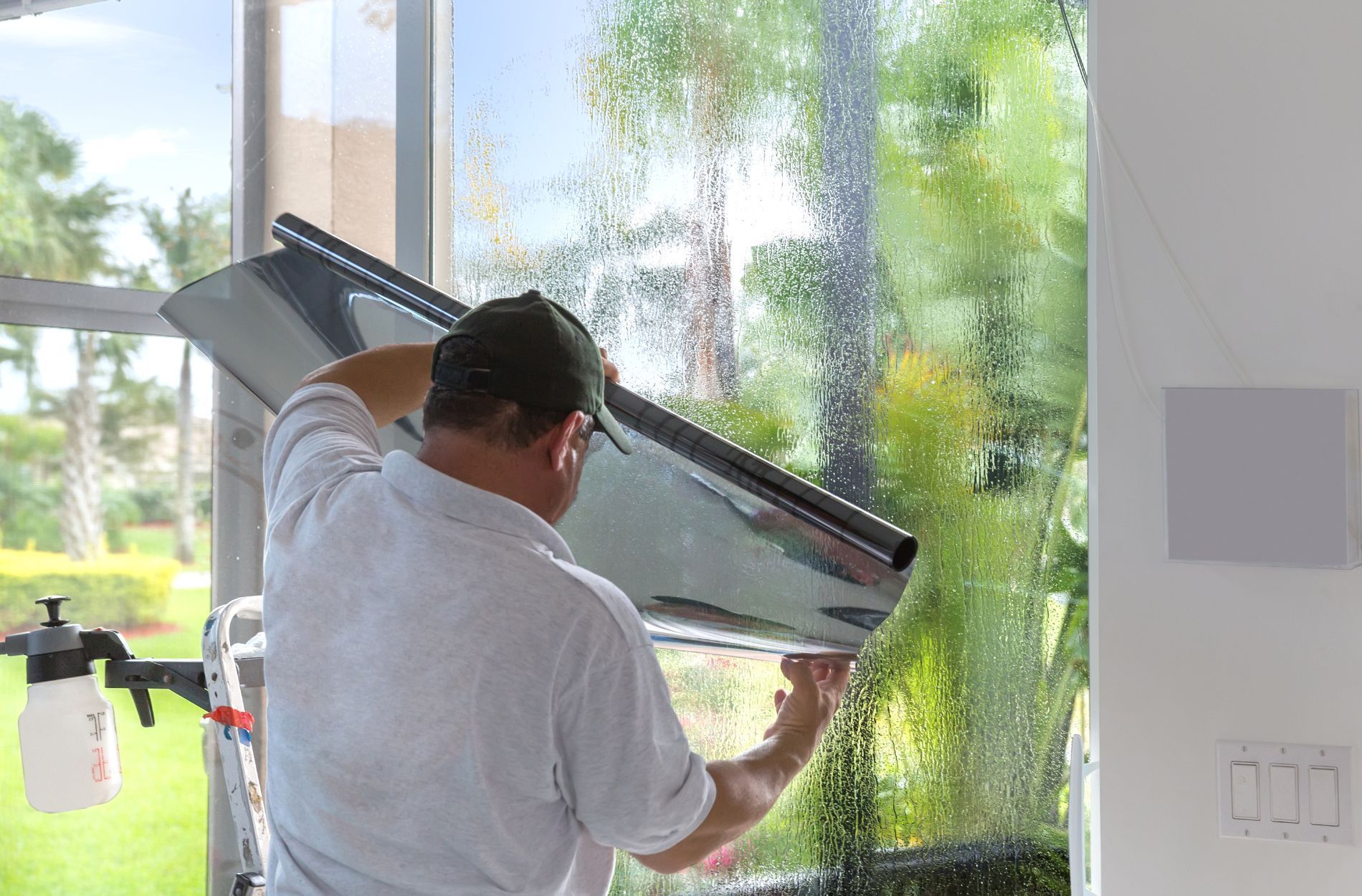
Choosing professionally installed window film to reduce heat for a Florida home can be less disruptive than replacing windows, and it fits well with the rest of your comfort plan. Film can also add daytime privacy, reduce glare on TVs and computer screens, and help protect flooring, fabrics, and artwork from fading due to UV exposure.
When Window Film Alone Is Not Enough
It is important to be honest about what film can and cannot do. Window film will not fix a severely undersized AC system, big duct leaks hidden in a hot attic, or missing insulation. Those problems need their own solutions. What film can do is lower the solar load on the room so that your AC and ductwork have a fair chance to keep up.
Many hot rooms end up with combined fixes. A bonus room over a garage might need both added attic insulation and a good heat-rejecting window film. A bright sunroom might feel pleasant only after film is paired with a small dedicated AC unit or a mini-split system.
The best path is a holistic look at the space rather than guessing at one-off fixes. A professional visit from a window film company, along with input from trusted HVAC or insulation contractors when needed, can help you focus on the upgrades that give you the most comfort for the effort.
When you are ready to reclaim that one stubborn room, a calm, step-by-step approach will serve you better than another late-night thermostat adjustment. From our experience at Solar-Tec Glass Tinting here in the Eustis area, the right mix of attic work, air sealing, duct tweaks, and targeted window film can turn a hot, frustrating space into a cool, usable retreat for work, sleep, or family time.
Lower Your Home’s Heat and Energy Costs Starting Now
If your rooms are uncomfortably hot and your AC never seems to shut off, we can help you make your home more efficient and comfortable. At
Solar-Tec Glass Tinting, we install high-performance
window film to reduce heat for a Florida home, cutting glare and helping protect your furnishings from UV damage.
Reach out today to
schedule a no-pressure consultation so we can recommend the best film for your windows and your budget.