Solar Control Film in Florida: Prevent Fogging and Seal Damage
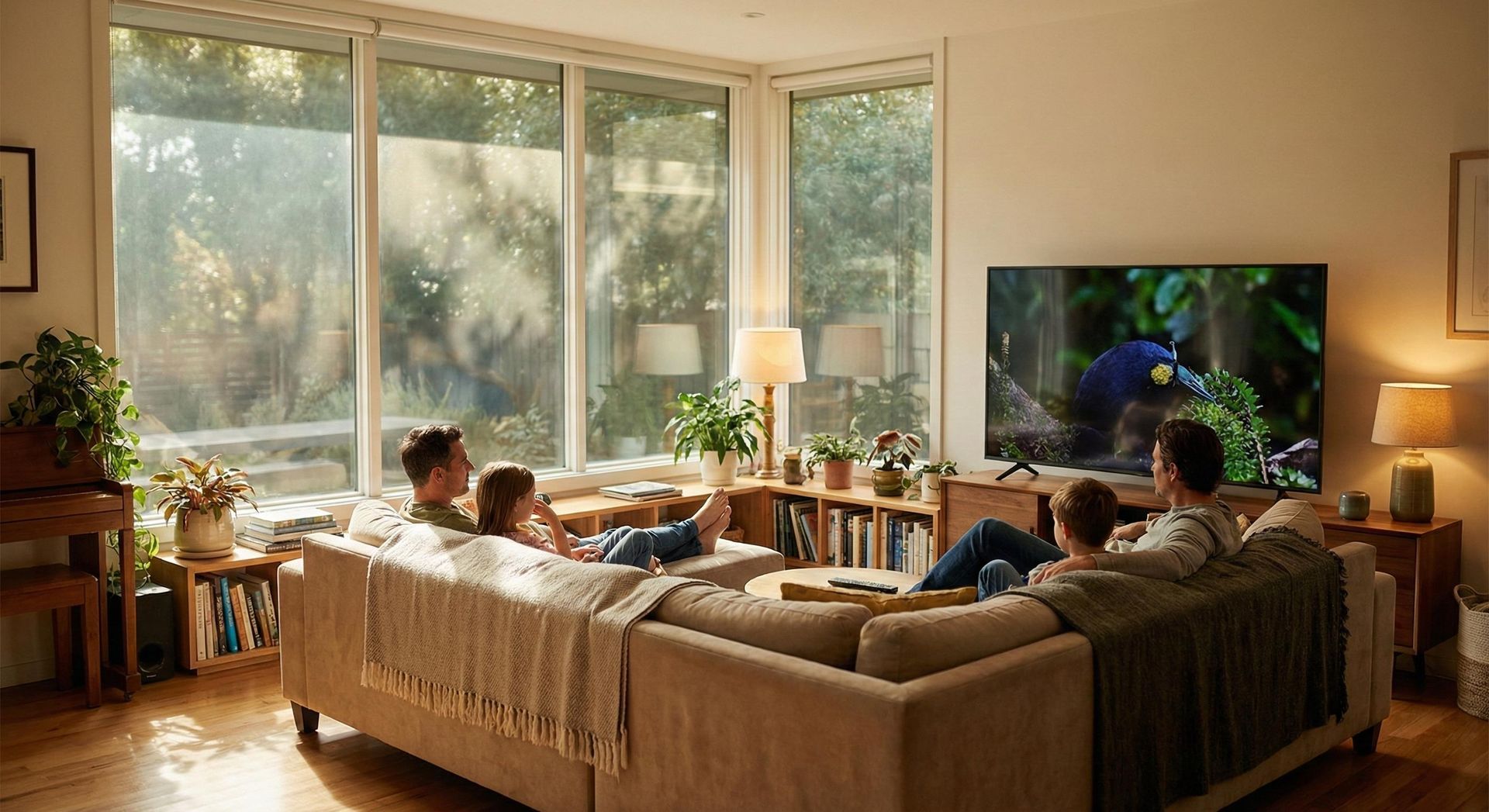
Keep Florida Views Clear While You Beat the Heat
Solar control window film for a home in Florida does more than cut heat and glare. It also has to stand up to heavy humidity, daily showers, and salty coastal air. If the film is not matched to your glass and your climate, you can end up with fogged windows, sweating glass, or stressed seals that fail too soon.
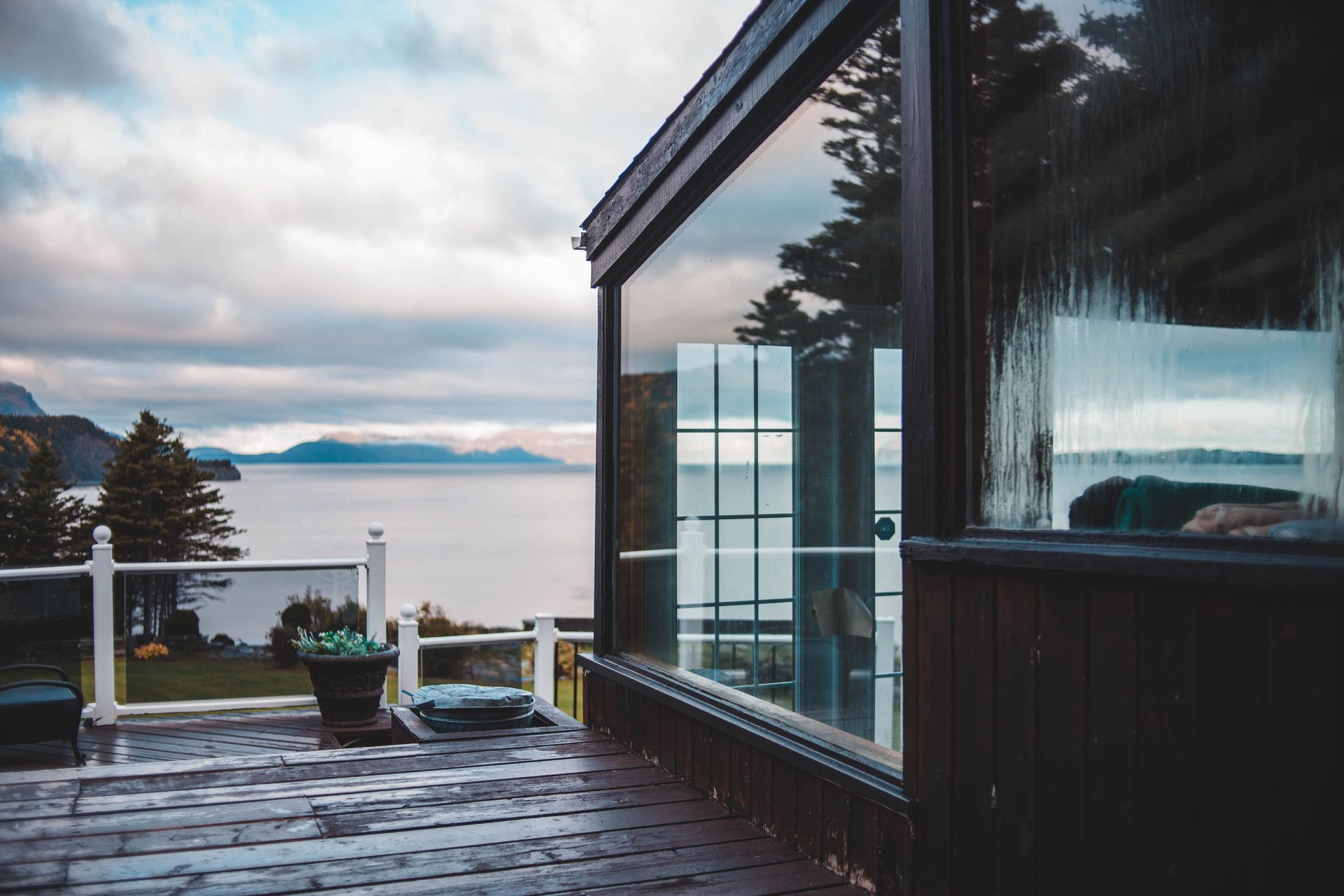
In Florida, our A/C runs hard, the sun is strong, and the air is almost always moist. That mix makes comfort a challenge and can be tough on glass. With the right film and the right installation, you can keep your home cooler, protect your windows, and still enjoy those clear lake or bay views without haze or fog getting in the way.
How Florida Humidity Affects Your Windows and Films
Condensation happens when warm, moist air touches a cooler surface and gives up its moisture as tiny water droplets. On windows, that often shows up:
- On the inside surface when the A/C is running hard and the glass is cooler than the indoor air
- On the outside surface early in the day when the glass cools off faster than the humid morning air
- Between panes when seals on insulated glass are worn or broken
Different windows react to this moisture in different ways:
- Single-pane glass: Simple but more likely to show fog on the room side of the glass
- Double-pane or insulated units: Better comfort but at risk for fogging between panes if the edge seal fails
- Low-E glass: Helps with energy efficiency but needs careful film matching to avoid stress
- Older frames and seals: More likely to leak air or moisture, so condensation problems show up sooner
Solar control film affects how hot or cool the glass gets. By cutting solar heat, film often keeps the inside surface of the glass more stable, which can help with comfort and can reduce some types of condensation. But if film goes on glass that already has a weak seal, that change in temperature can reveal a hidden seal problem and you may see more fogging between panes.
Preventing Fogging and Protecting Window Seals
A big part of avoiding fog and moisture problems is what happens before any film touches the glass. A careful pro will look over:
- The edges of each window for signs of failed seals or cloudiness between panes
- Frames and sills for soft spots, staining, or water trails
- Existing caulk and weatherstripping for gaps that let moist air leak in
- Any glass defects or chips that could be stressed by added heat changes
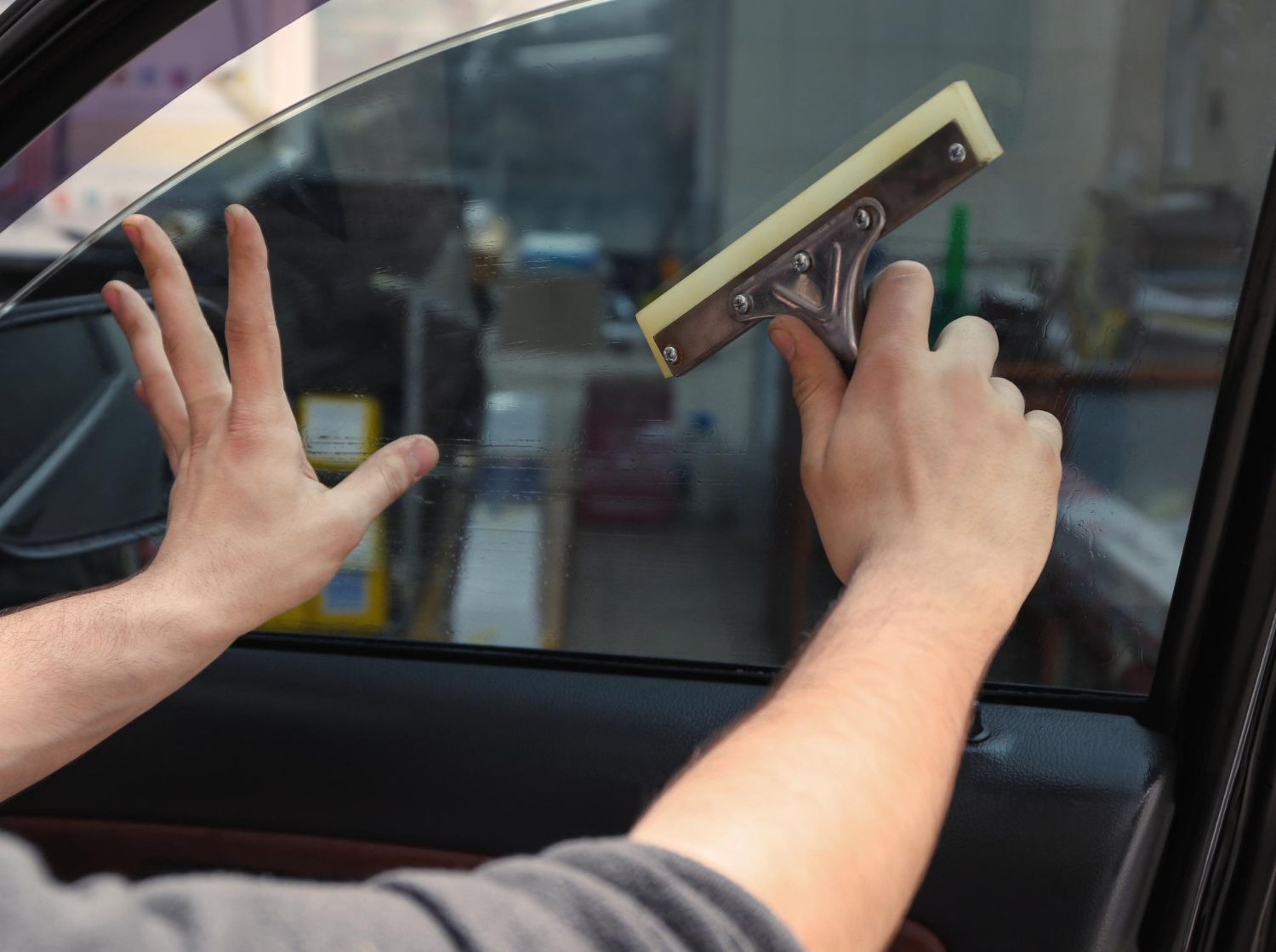
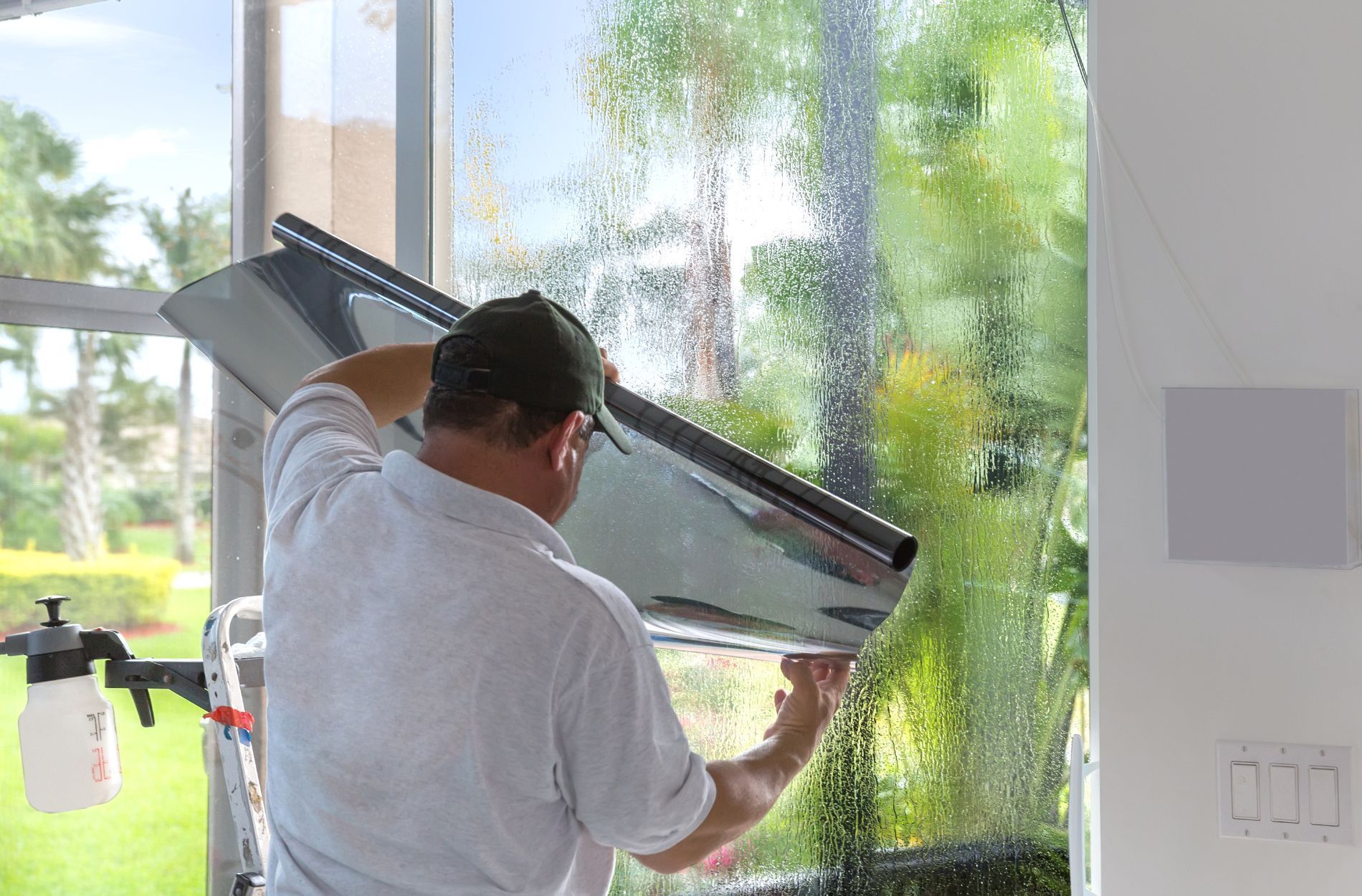
Film selection also matters for the long life of your seals and glass. Matching the film to the glass type helps limit thermal stress. On insulated and Low-E units, that usually means choosing products designed for those windows rather than a one-size-fits-all film. Sometimes an interior film is best; other times, an exterior film is a smarter choice for heat rejection or moisture reasons.
Homeowners can help keep things dry and clear by:
- Running bathroom and kitchen fans when creating steam
- Using dehumidifiers in rooms that feel sticky or damp
- Keeping caulking, seals, and weatherstripping in good shape
- Watching for new or unusual fogging and getting it checked quickly
When film is installed with care and backed by strong product and workmanship support, you gain comfort without putting your glass at extra risk.
Choosing the Right Solar Control Film for Coastal Moisture
Florida’s coastal and lakeside homes bring their own set of moisture issues. The type of solar control film you choose can make a big difference over time.
Common film types include:
- Dyed films: Good for glare reduction, but limited heat rejection and may not last as long in strong sun
- Metallized films: Strong heat rejection, but some metals can react with salty, humid air
- Ceramic films: Great heat and glare control with strong clarity and no metal content
- Spectrally selective films: High clarity with smart blocking of heat and UV while staying fairly light
Around coastal areas, salt in the air can attack certain metallic layers and even the film edges if the product or installation is not suited to that environment. Quality solar control films from brands like LLumar, FormulaOne, and Vista are designed for long-term durability, even in humid regions, especially when paired with careful edge work during installation.
For different parts of a coastal or Central Florida home, you might consider:
- Bayfront or lakeside rooms: Films with strong corrosion resistance and clear views
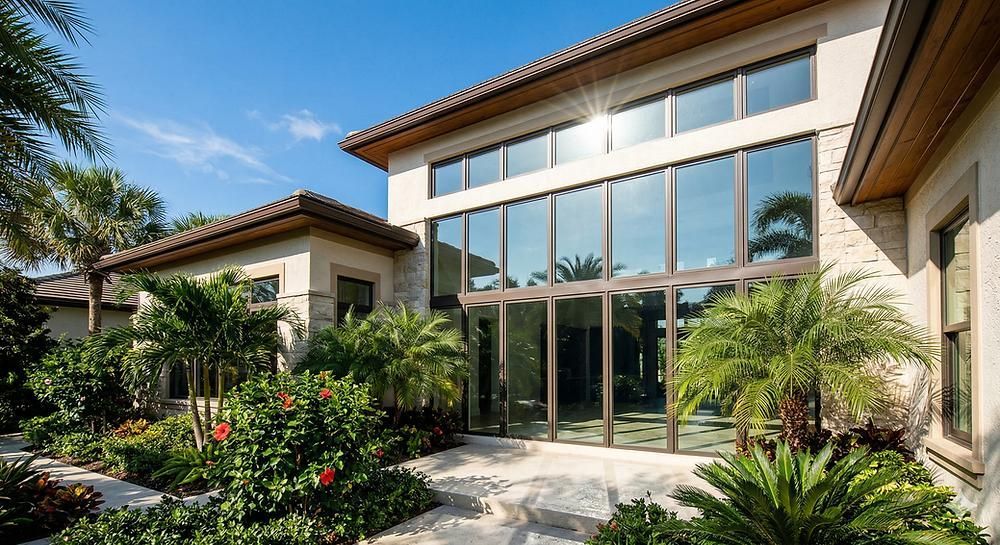
- Upper stories: Lighter, spectrally selective films to keep views open while cutting heat
- Ground-level rooms with high sun: Stronger heat rejection, added daytime privacy, and glare control
- Shaded sides: Softer films that focus more on UV and glare than on maximum heat cutting
The best choice is usually a mix, with films selected room by room so you get the right blend of heat reduction, privacy, and moisture resistance.
Summer Storms, Daily Showers, and Real-World Performance
Florida afternoons often bring fast storms and heavy rain, and hurricane season adds strong wind and rapid temperature swings. All of this affects how your windows and films behave every single day.
Some common questions come up around moisture and solar control film for a home in Florida:
- Can rain or humidity get trapped behind the film?
- Professional film is bonded directly to the glass with an adhesive. Outside moisture does not slip in behind it when installed correctly.
- Why does my film look hazy right after it is installed?
- In a humid climate, curing takes longer. A light haze or small moisture pockets can be normal while the adhesive dries and the last of the installation solution evaporates.
- How long does curing take?
- Dry times can stretch out when the air is very moist. During that period, the film is still bonding and may not look perfectly clear yet.
- When should I be concerned?
- If you see big bubbles that do not shrink, wrinkles that stay put, or new fog between panes that was not there before, it is time to have a pro look at it.
When the film is well matched to your glass and your humidity levels, the payoff is clear. Rooms feel cooler without being dark. Glare on TVs, tablets, and computers drops. Fabrics and flooring get less fading from harsh sunlight. A/C systems do not have to work quite as hard every afternoon, which can support comfort and long-term efficiency.
Moisture-Smart Solar Film for Florida Homes
Solar control film can be a smart answer to Florida heat, glare, and UV, but humidity, condensation, and coastal moisture need to be part of the plan. Matching film type to glass type, checking seals and frames, and choosing products designed to stand up to salty, wet air all help keep your windows clear and dry.
A local team that works every day in Central Florida conditions and installs LLumar, FormulaOne, and Vista films can guide you toward options that protect your views, your comfort, and your glass over the long term, even through daily showers and storm season.
Get Started With Your Project Today
If you are ready to cut heat, glare, and UV damage without giving up natural light, we are here to help you choose the right solution. At Solar-Tec Glass Tinting, our team can assess your space and recommend the best solar control window film for a home in Florida based on your goals and budget. We will walk you through installation options, timelines, and what to expect so you can feel confident in your decision. Reach out today to schedule a consultation and start making your home more comfortable and efficient.