Florida Morning Commute Glare Fixes: Visors, Sunglasses, Tint—Legal?
Florida Morning Commute Glare Solutions
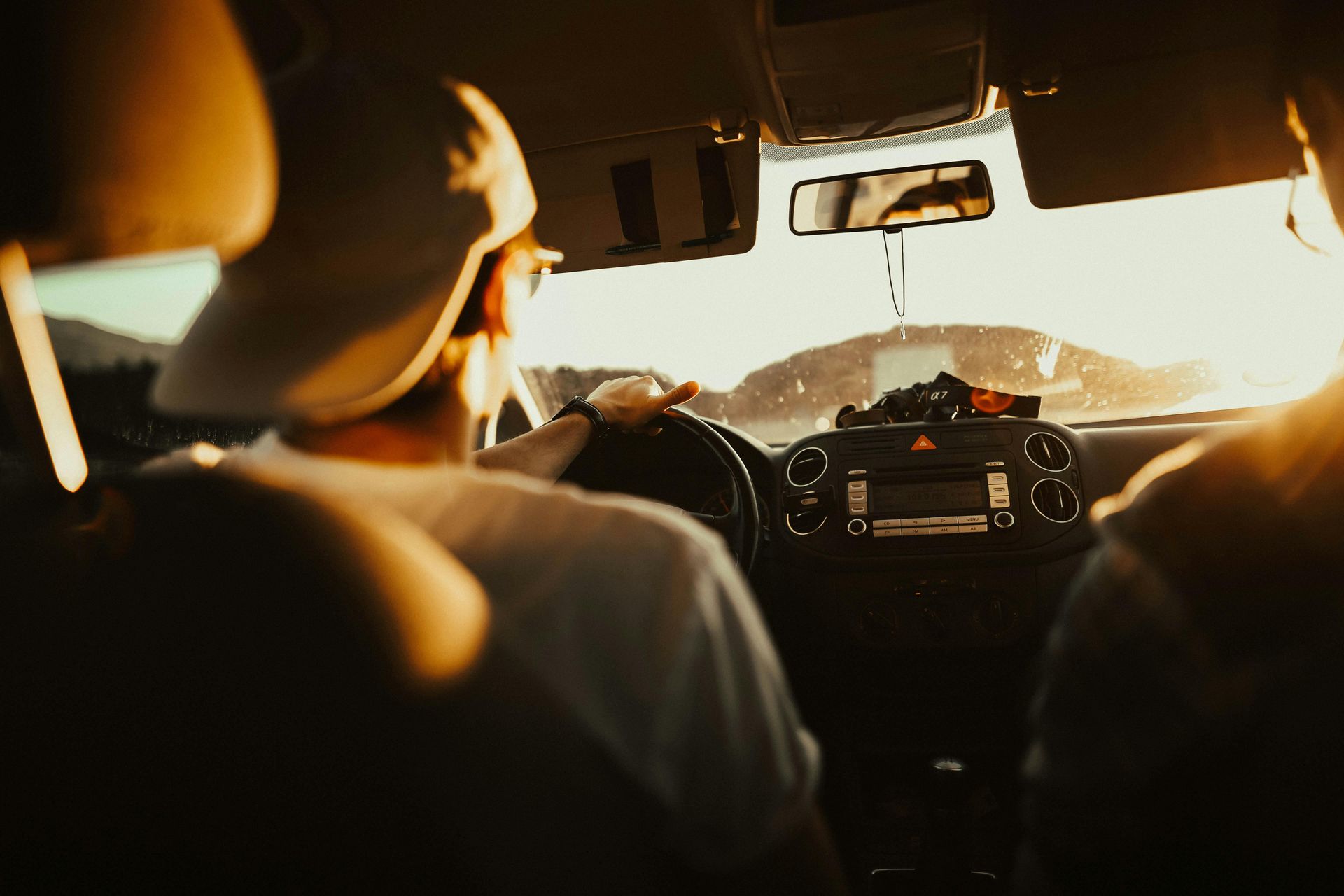
Driving into the sunrise across Lake County can be rough on your eyes. The low sun, bright clouds, and shiny windshields in front of you all team up to blind you right when traffic is the heaviest. For many drivers, the daily route on US-441, SR 44, or through Eustis and Mount Dora feels like a battle with glare every single morning.
We want to help make that drive safer and more comfortable. Here, we compare the most common glare fixes, like sun visors and sunglasses, with clear windshield UV film and legal ceramic window tint, so you can understand what actually works, what is legal in Florida, and which setup fits your daily routine.
Why Florida Morning Glare Is So Dangerous
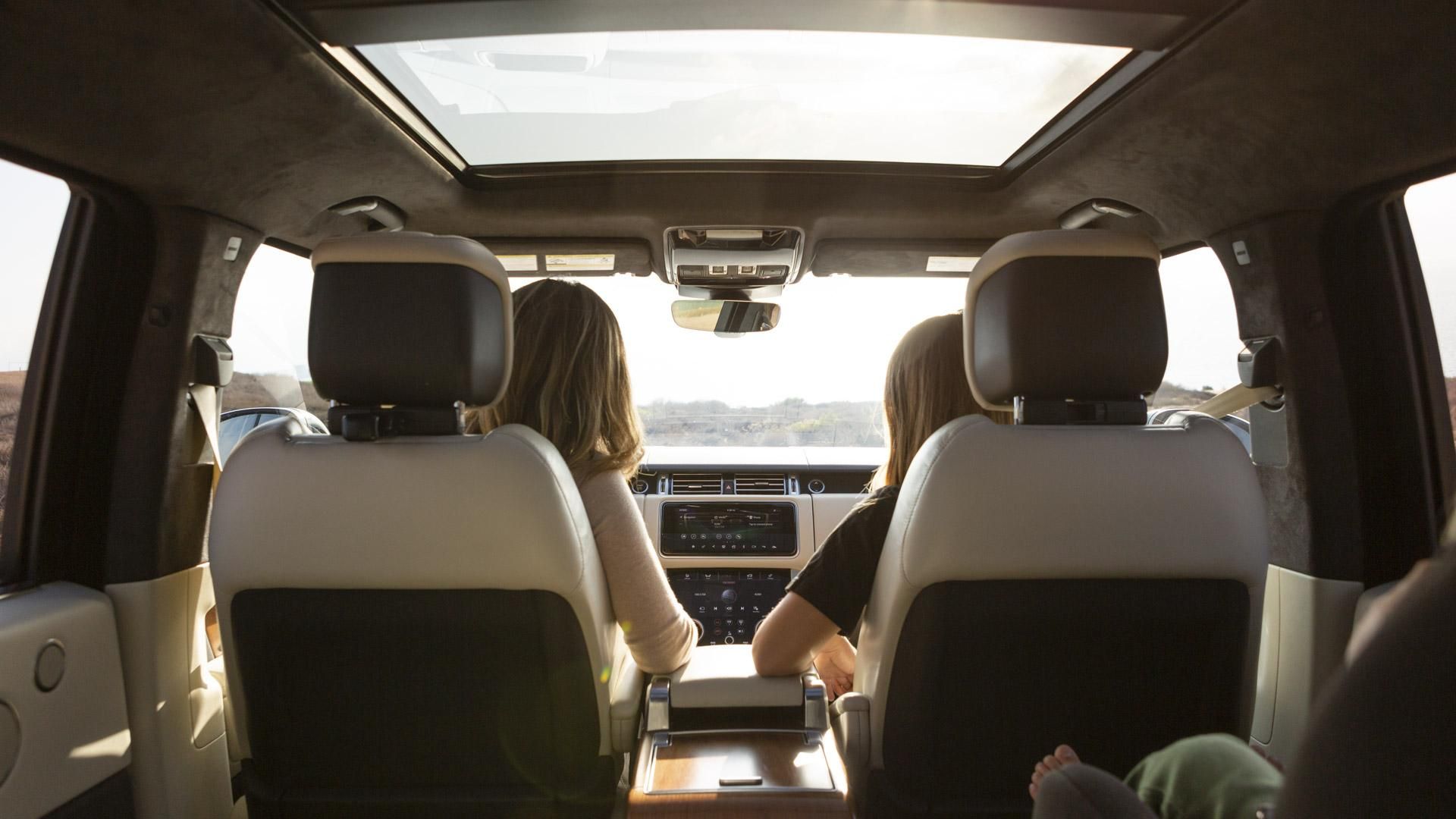
Florida glare is not just annoying; it changes how well you can see. In the early morning, the sun sits low in the sky, almost level with your eyes, so light hits your windshield at a sharp angle. That light then bounces off glass, wet roads, and even light-colored pavement and comes right back at you.
A few things make Central Florida mornings extra tough:
- Thick humidity can create a hazy glow across the road
- Bright white clouds act like giant mirrors and reflect light
- Lakes, ponds, and wet pavement throw light straight into your line of sight
When glare hits at the wrong moment, it can:
- Slow your reaction time when traffic suddenly stops
- Make it hard to see lane markings, turn arrows, and brake lights
- Hide pedestrians, cyclists, and motorcycles in the bright wash of light
Driving east toward the rising sun makes all of this worse, especially if you leave home early to beat the heat or reach work before traffic builds. Add a quick summer shower that leaves a wet, shiny road, and that surface can look like a mirror. A smart glare setup is not just about comfort; it is about seeing clearly when it matters most.
Visors and Sunglasses Pros-and-Cons
Most of us start with the basics: flip down the visor and grab a pair of sunglasses. These do help, but they also have limits.
Sun visors can:
- Block direct sunlight from hitting your eyes
- Help when the sun is just above the windshield
- Be moved from front to side as the sun angle changes
But they also:
- Create blind spots at intersections and when checking cross traffic
- Cut off overhead visibility, which can hide traffic lights or signs
- Do nothing to reduce UV or heat getting through the glass
Sunglasses are another common fix. Regular tinted lenses can make things look darker, but that does not always mean less glare. Polarized sunglasses are designed to cut harsh reflected glare off cars, water, and roads, and many drivers notice a big comfort boost when they switch to them.
However, polarized sunglasses can:
- Make some digital screens, like certain dash displays, look rainbow or faded
- Vary a lot in quality, especially when it comes to true UV protection
- Be a hassle when the sky changes quickly from bright to cloudy
The big drawback with relying only on visors and sunglasses is that they are temporary and inconsistent. As the sun angle changes during your commute, you keep adjusting the visor and sliding the glasses up and down. You might still find yourself squinting and leaning forward just to see the road clearly.
Windshield Clear UV Film vs. Legal Ceramic Tint
To get more steady relief, many drivers look at glass treatments that work all the time, even when you are not thinking about them.
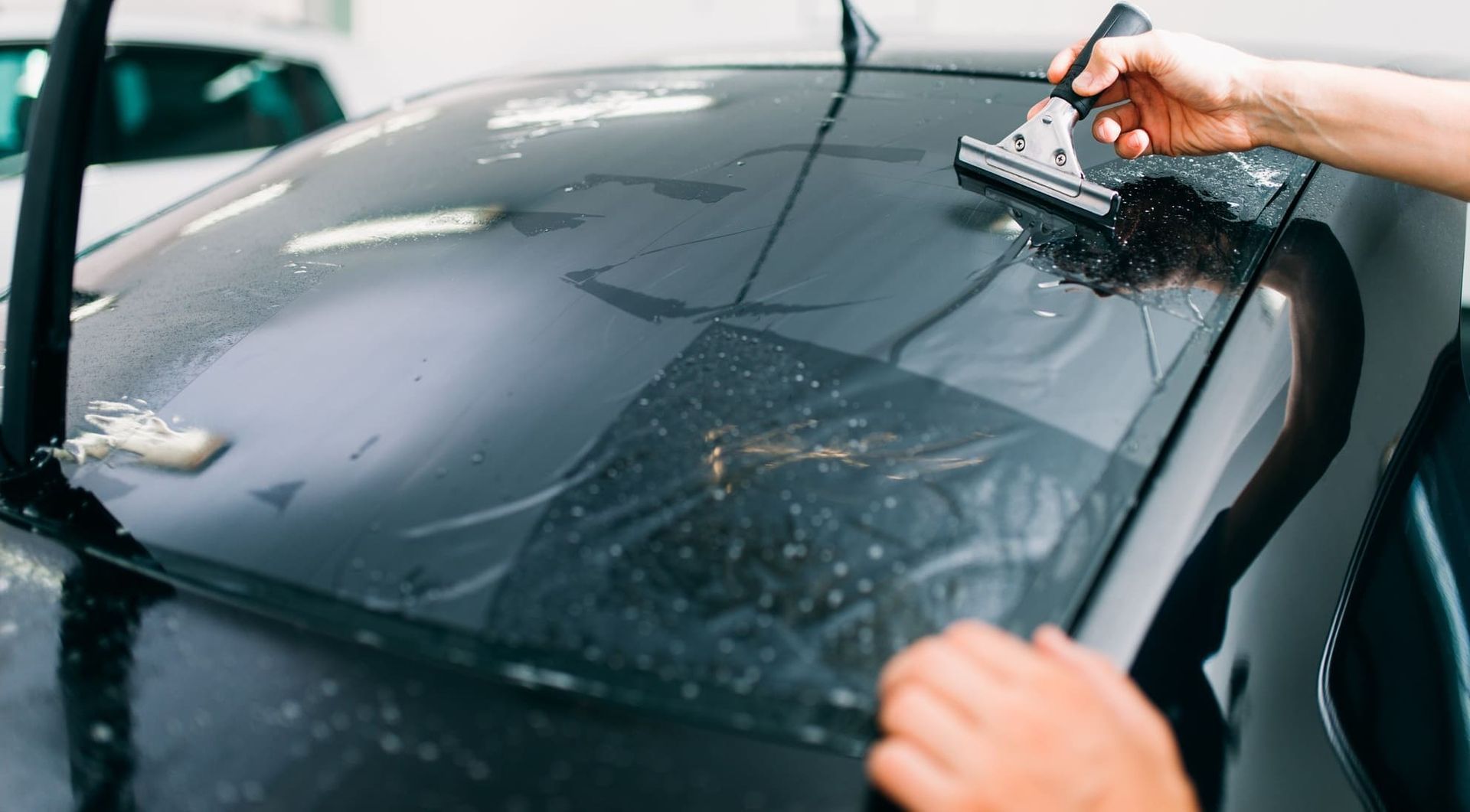
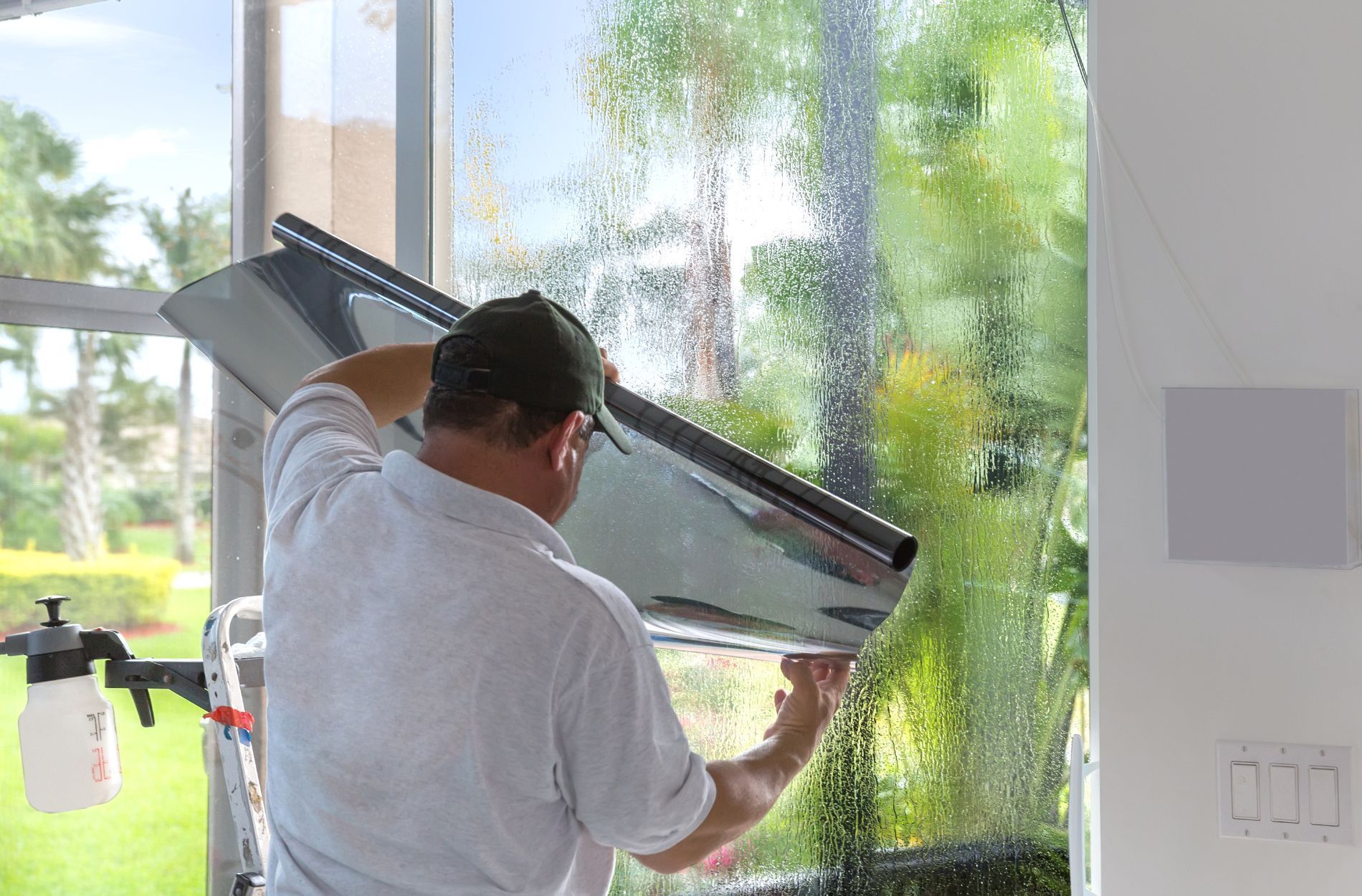
Clear windshield UV film is designed to be almost invisible while blocking a large amount of UV light. Good products can also reduce some heat and soften harsh brightness without making your windshield look dark. In Florida, the windshield has strict rules on how much you can tint, so clear film is a smart way to add comfort and protection but stay within the law.
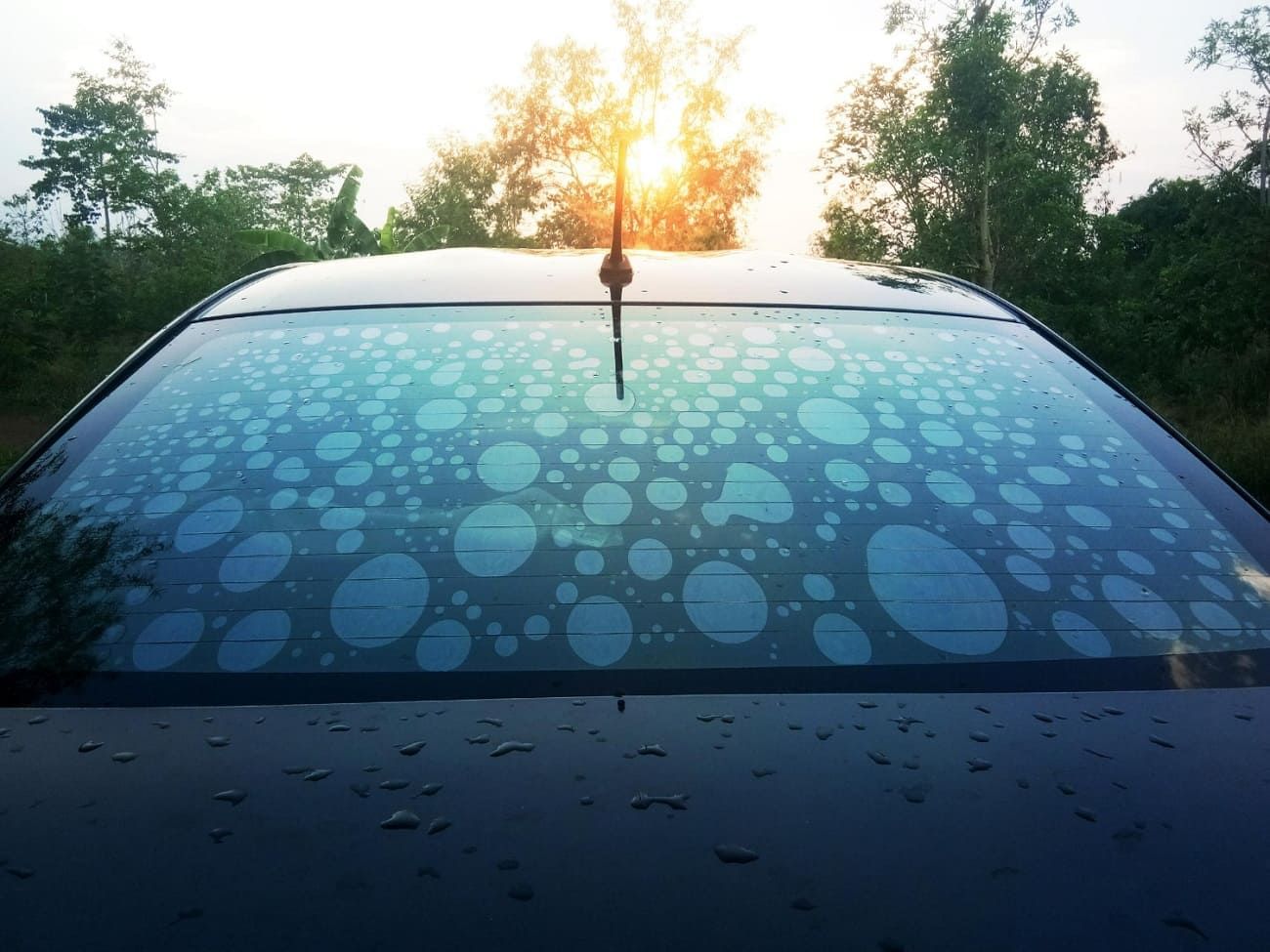
Ceramic tint on your side and rear windows works in a different but very powerful way. This type of film uses tiny ceramic particles to filter light. Quality ceramic tint can:
- Cut harsh brightness that makes you squint every morning
- Reduce glare bouncing off mirrors, chrome, and nearby cars
- Block nearly all UV from getting into your cabin
- Reject a large amount of solar heat to help your AC keep up
For long commutes across Lake County in early summer, that extra heat control can make a big difference in how quickly your car cools down and stays comfortable.
Florida window tint laws set rules for how dark your tint can be. In simple terms, the law covers:
- How much light must pass through your front side windows
- How much darker your rear side and back glass can be
- How deep a tinted eyebrow strip you can place at the top of the windshield
Because the rules are specific and can change, working with a professional tint shop that understands Florida guidelines helps you stay legal while still getting strong glare and heat control.
Choosing the Smartest Setup for Lake County Drivers
So what actually works best during a bright morning drive from Eustis, Mount Dora, or nearby areas? The answer often comes from using a combination of tools, not just one.
Common setups include:
- Factory visors plus polarized sunglasses, a basic combo that helps but still leaves hot glass and side glare
- Clear windshield UV film with light ceramic tint on the front doors, for balanced glare reduction and legal daylight visibility
- Full ceramic tint packages on side and rear glass, paired with clear windshield film, for stronger heat rejection and year-round comfort
If we compare them, the visor and sunglasses combo is better than nothing, but it gives the least total relief. Clear windshield UV film plus legal ceramic tint provides steady, all-day protection whether the sky is bright, hazy, or partly cloudy. Full ceramic within Florida rules offers the most comfort and long-term value for many drivers.
Ceramic car tint in Lake County, FL also brings extra perks you feel every day:
- Cooler cabin when you first open the door after parking
- Quicker AC cooldown during those sticky summer mornings
- Less fading and drying of your dashboard, seats, and trim
- Better clarity than overly dark, low-quality films so you can see clearly at night and in rain
Different lifestyles call for slightly different setups. Parents heading out before sunrise for kids’ practices may want strong rear tint to keep little ones comfortable. Professionals driving straight into the sun on US-441 might focus on a balanced front setup that cuts glare but keeps things bright enough for early meetings. Retirees heading to early appointments may prefer a lighter shade with strong UV and heat rejection for comfort without a dark look.
Drive Safer Tomorrow with Pro Tint and UV Film
If you catch yourself squinting every morning, flipping your visor up and down, or still feeling eye strain even with sunglasses on, it may be time to rethink your glare plan. Ask yourself how often you lose track of lane markings, miss a turn, or just feel worn out from staring into that bright Florida sunrise.
At Solar-Tec Glass Tinting in Eustis, we focus on helping local drivers choose ceramic films and clear UV options that work with Florida law and the way they actually drive. With professional guidance on film shades and placement, plus clean installation that looks like it came from the factory, you can step into your car knowing the glass is working for you on every morning commute, not against you.
Get Started With Your Project Today
If you are ready to cut glare, improve comfort, and protect your interior, Solar-Tec Glass Tinting is here to help you choose the ideal film for your vehicle. Our team will walk you through the benefits of
ceramic car tint in Lake County, FL and recommend the best option for your driving needs.
Reach out today so we can answer your questions,
provide an upfront estimate, and schedule a professional installation that fits your timeline.