Florida Afternoon Glare: Window Film vs. Exterior Shades vs. Low-E Glass
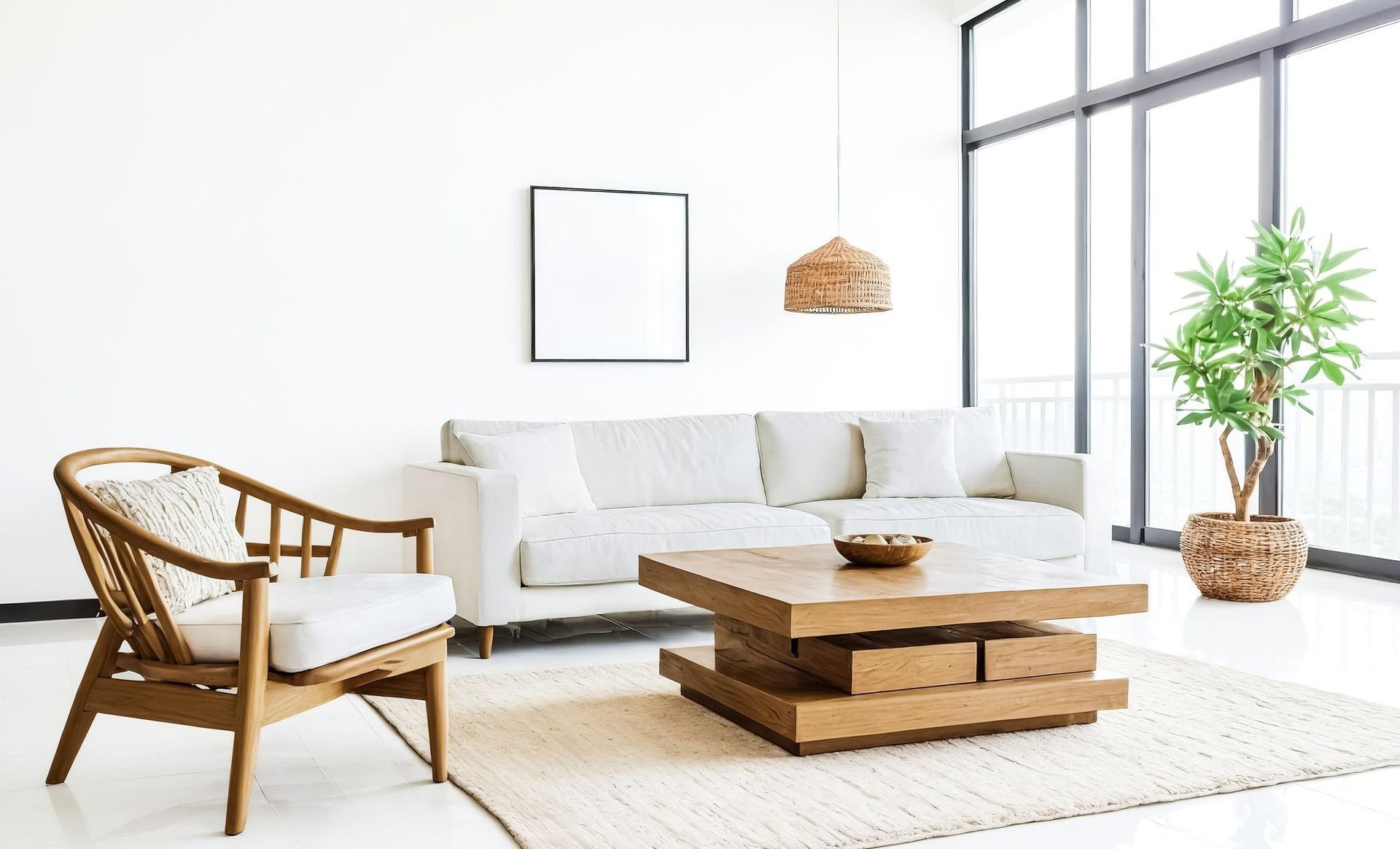
Beat Florida’s Harsh Afternoon Glare Without Blinds Closed
Afternoon sun in Florida can turn a nice bright room into a spotlight. By midday, west-facing rooms can feel harsh and uncomfortable, with strong glare on your TV, hot air near the windows, and fading on your floors and furniture.
Many homeowners want relief without sitting in the dark with blinds pulled all the way down. Three options usually rise to the top: solar control window film for homes in Florida, exterior shades or screens, and Low-E replacement windows. Each works differently, and each fits different rooms and budgets. In this guide, we will compare how they help with glare, comfort, and UV protection so you can mix and match the right way for your home.
How Florida Sunlight Affects Your Home Comfort
Florida gets a lot of sun, especially in the afternoons. The sun sits high in the sky for long hours, and west-facing windows take a strong blast later in the day. That is when many people feel rooms heat up fast and see bright light bouncing off TVs, phones, and laptops.
It helps to know there are three main parts of sunlight at work:
- Visible light, which you see, and which can create eye-straining glare
- Infrared energy, which you feel as heat coming through the glass
- Ultraviolet (UV) rays, which you do not see or feel right away
Visible light is what makes you squint when the sun hits your TV or dining table. Infrared energy makes your AC work harder to keep up as that afternoon heat builds inside. UV rays are a slow problem, causing flooring, rugs, art, and furniture to fade over time. They can also be hard on your skin if you sit by a sunny window day after day.
Put together, these can cause:
- Hot, stuffy west-facing rooms in the late afternoon
- TV and computer screens that are hard to see during your favorite shows or work time
- Uncomfortable home offices where you end up closing blinds and sitting in a cave
- Higher energy bills as your AC runs longer to fight the extra heat
Solar Control Window Film Pros, Cons, and Best Rooms
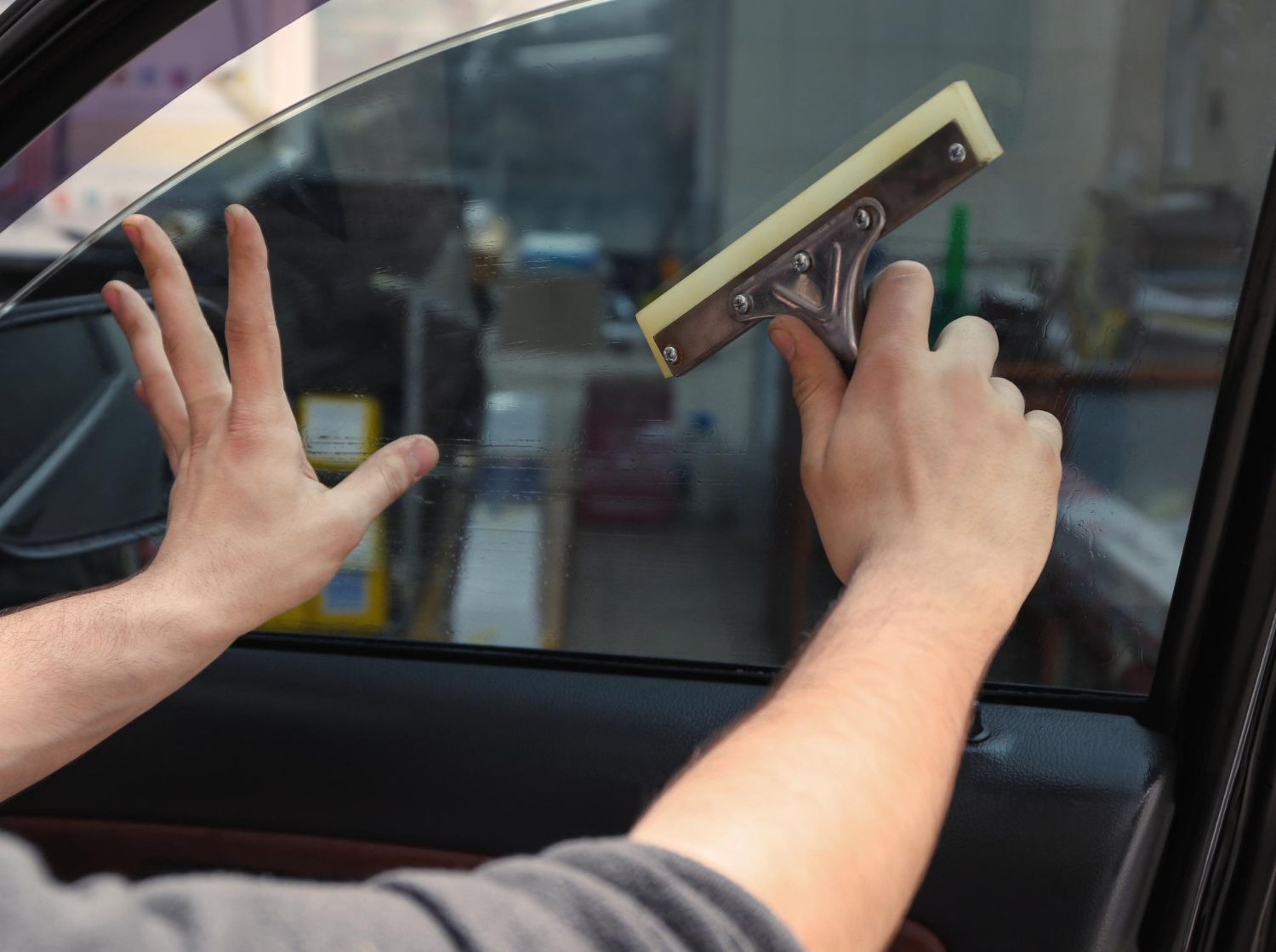
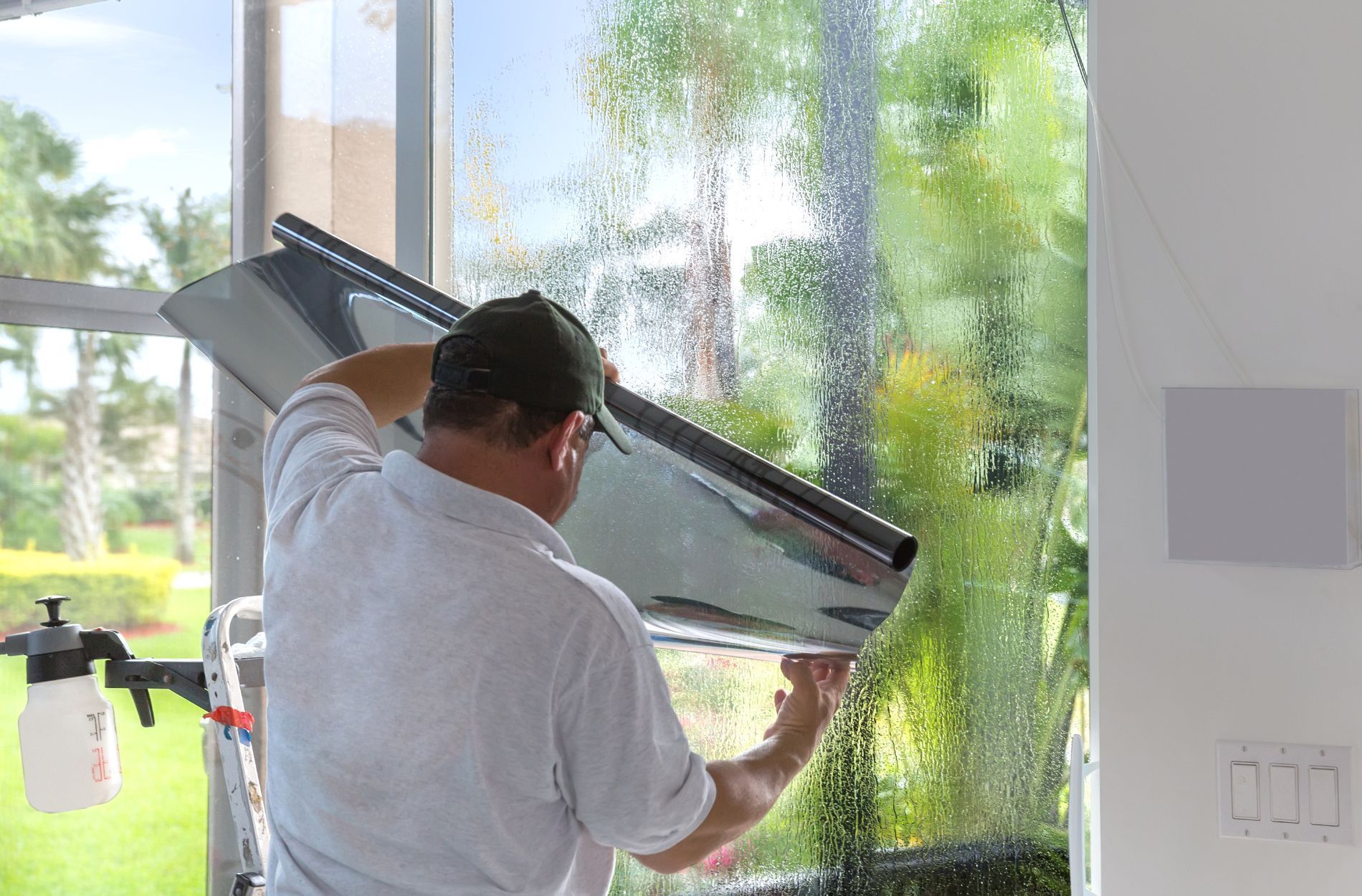
Solar control window film for homes in Florida is a thin layer of film that is added to the inside of your existing glass. It is designed to cut glare, reduce heat, and block UV while still letting you enjoy your view. At Solar-Tec Glass Tinting in Eustis, we install residential films from brands like LLumar, FormulaOne, and Vista to help with these issues.
Here is what this type of film can offer:
- Strong reduction in glare without making rooms feel dark
- Significant blocking of UV to help protect furnishings and finishes
- Noticeable heat reduction on hot sides of the home
- Quick, non-invasive installation with no major construction
Solar control film is usually a more budget-friendly retrofit compared with replacing windows or adding large shade structures. Since it works with the glass you already have, there is no need for removing frames or dealing with long projects. Many homeowners also see some energy savings because their AC does not have to fight as much heat through the glass.
Best rooms and uses for solar control film include:
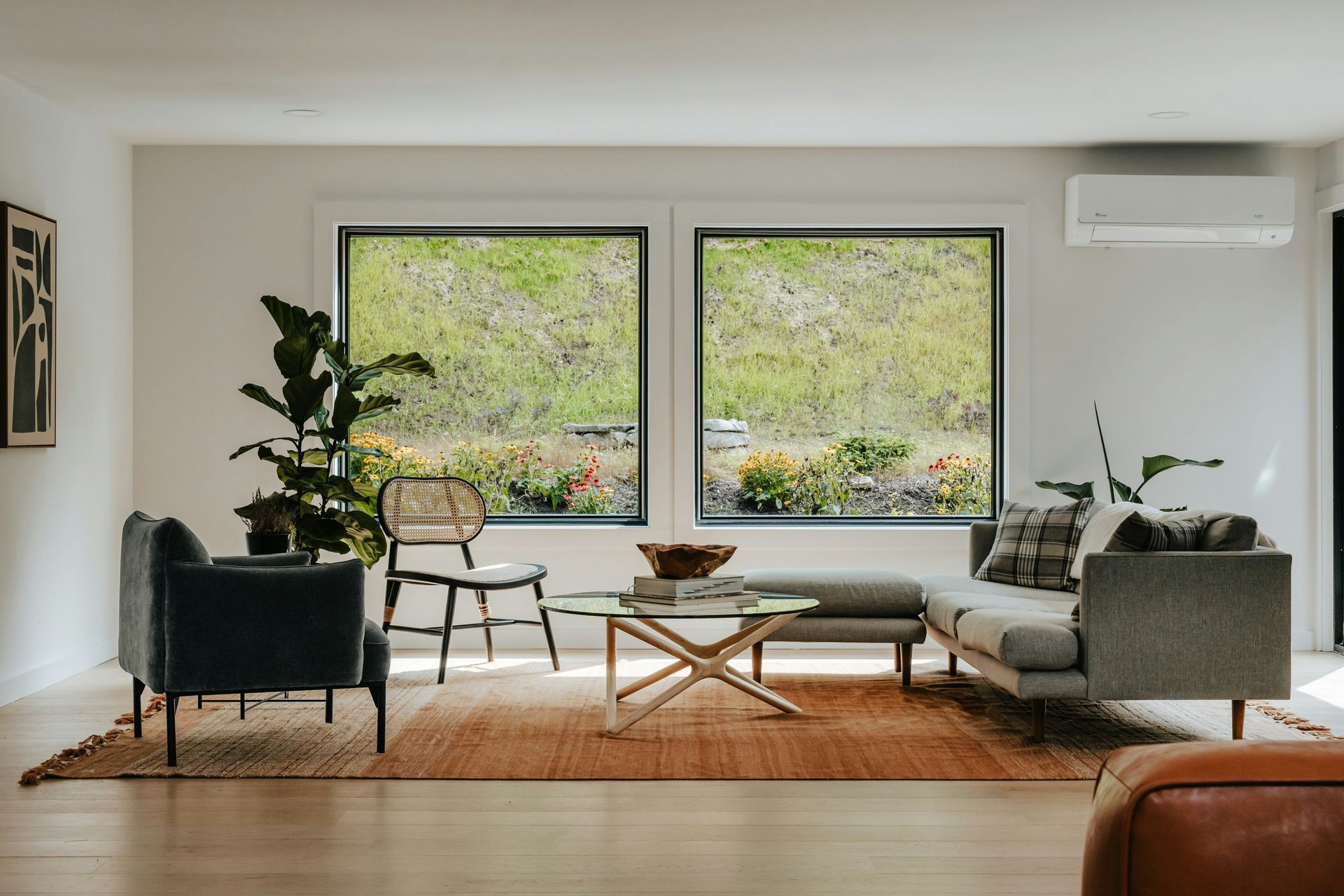
- West- and south-facing living rooms with TV glare
- Home offices where screen visibility matters
- Kitchens that get strong afternoon sun while cooking
- Rooms with cherished furniture, rugs, or artwork you want to protect
There are different looks available, from very clear films to slightly tinted options. Some provide daytime privacy, which can be helpful in front-facing rooms or homes close to neighbors. Many options also work well in communities with appearance rules, since they do not dramatically change the look of the home from the street.
Exterior Shades and Screens When View and Ventilation Matter
Exterior shades, solar screens, and awnings sit outside and block a portion of the sun before it hits the glass. By stopping some of that heat and light outside, they help reduce how much reaches inside.
These systems can be a good fit when you:
- Want to shade patios, lanais, and outdoor seating areas
- Have big sliding glass doors that feel like a wall of sun in the afternoon
- Like to open windows for airflow but still want protection from glare
Exterior shades and screens come in many styles, from fixed panels to roll-down versions. They usually need space to mount on the wall or soffit, along with tracks or guide wires. In Florida, wind, rain, and pollen mean they may need cleaning and occasional service, especially in exposed areas.
Best places to use exterior shades and screens:
- Covered lanais and porches where you relax or entertain
- Pool areas that need shade during strong afternoon sun
- Outdoor kitchens where glare and heat can make cooking uncomfortable
- Large sliders where you still want the option to open the glass and let the breeze in
These systems can give daytime privacy and a comfortable shaded feel, a bit like adding sunglasses and a sunhat to your porch or patio.
Low-E Glass and Replacement Windows for Long-Term Upgrades
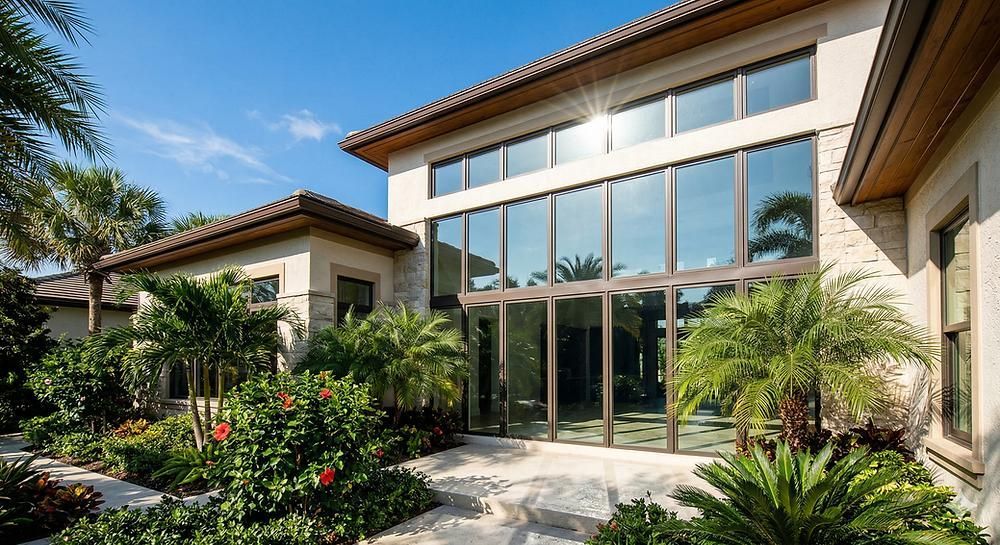
Low-E glass is a type of glass with very thin, almost invisible coatings that help control heat and UV. Modern replacement windows often combine Low-E coatings with insulated glass units. This setup helps reduce heat transfer through the glass without making it very dark or mirror-like.
Replacing windows with Low-E glass is a bigger project. It usually includes:
- Removing old windows and frames
- Installing new window units with insulated glass
- Handling any needed approvals or inspections
The upfront commitment is higher than adding film or exterior shades, but it can be a strong choice when:
- You are already planning a major remodel or addition
- Your current windows are failing, drafty, or hard to operate
- You want a long-term upgrade that is built into the structure of the home
Good rooms for Low-E replacement windows include main living spaces, bedrooms, and any area where windows are already in poor shape. It is often part of a whole-house strategy rather than a quick fix for one hot room.
Cost, Comfort, and Glare Control Head-to-Head
Each option has its own place, and many homes end up using more than one.
From a general standpoint:
- Solar control window film is usually the most budget-friendly way to improve existing glass
- Exterior shades and screens often fall in the middle, depending on size and style
- Low-E replacement windows are usually the premium, long-term project
For glare and comfort on TVs, computers, and reading areas, window film often gives the most direct control because it is right on the glass and always working. Exterior shades can help a lot too, especially on large sliders and porches, but they can change the look of the outside. Low-E glass is a great built-in solution when you are already planning to change windows, but it is not always the first step for a single problem room.
Aesthetics and maintenance also matter:
- Window film keeps your view clear, with no extra hardware or fabric
- Exterior shades bring visible tracks, brackets, and fabric that need care in sun and weather
- Low-E glass looks clean and permanent because it is part of the window itself
Room-by-Room Guide to Choosing the Right Solution
Most homes work best with a mix of options instead of one single answer. Here is a simple way to think about common spaces.
Living room or family room:
- Window film for glare on the TV and better comfort
- Light drapes or soft shades for style and nighttime privacy
Bedrooms:
- Window film to reduce late-day heat and protect bedding and flooring
- Curtains or blackout shades to control light for sleep
Kitchens and breakfast nooks:
- Window film to cut heat while cooking and keep views open
- Simple blinds or shades if you want extra privacy at night
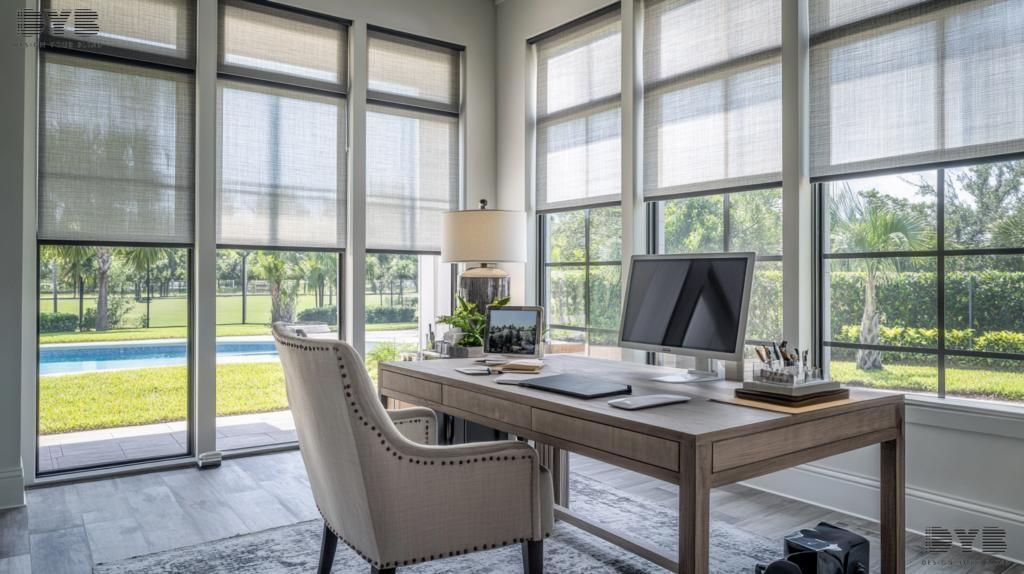
Home offices and kids’ study areas:
- Window film for screen comfort and fewer headaches from glare
- A small desk lamp so you can keep blinds open without harsh light on monitors
Sunrooms and big sliders:
- Window film to calm glare and protect flooring
- Exterior shades or screens on lanais and sliders when you want shade plus airflow
If you know you want new windows in the future, you can still start with film now on your most uncomfortable rooms. That way, as late spring turns into a long, bright summer, your AC has some help, your rooms feel calmer, and your furniture gets more protection from the strong Florida sun.
Reduce Heat, Glare, And Energy Bills With Professional Window Film
Upgrade your comfort and protect your interiors with our expertly installed
solar control window film for homes in Florida. At
Solar-Tec Glass Tinting, we help you block harsh heat, cut cooling costs, and preserve your view without darkening your rooms.
Reach out today so we can assess your windows, explain your options, and schedule an installation that fits your home and budget.