How to Choose Solar Control Window Film for Florida Homes: VLT, SHGC, UV
Keep Your Florida Home Cooler, Safer, and More Comfortable
Solar control window film for homes in Florida is one of the easiest ways to take control of heat, glare, and fading. Our long cooling season, bright sun, and big windows can make some rooms feel like a greenhouse while the AC runs nonstop.
Instead of replacing windows, many homeowners choose solar control film to improve comfort on the glass they already have. Quality film can cut heat, soften glare on TVs and devices, and block harsh UV rays that damage skin and interiors. In this guide, we will break down what VLT, SHGC, and UV rejection really mean, then share simple, room-by-room ideas to help you choose the right film before peak summer sun hits.
Decoding VLT, SHGC, and UV Rejection in Simple Terms
To pick the right solar control film, you only need to understand three main terms. We will keep it simple and focus on how each one feels in daily life.
Visible Light Transmission (VLT) is how much visible light passes through the glass after film is installed.
- Higher VLT means lighter film, brighter rooms, and more natural daylight.
- Lower VLT means darker film, more privacy, and stronger glare control.
In many Florida homes, a medium VLT often feels comfortable. You can still enjoy views, but you are not squinting at the TV every afternoon.
Solar Heat Gain Coefficient (SHGC) is a measure of how much solar heat comes through the window. A lower SHGC means the film is blocking more of the sun’s heat before it gets into your home. This matters a lot on:
- East-facing windows that heat up in the morning
- West-facing windows that bake in the late afternoon
- Large glass areas like sliders and tall windows
In our climate, many homeowners want films with a lower SHGC so the AC does not have to work as hard.
UV Rejection is how much ultraviolet radiation the film can block. UV light is a big reason floors fade, fabrics weaken, and artwork loses color. It also contributes to skin damage. Films with high UV rejection help:
- Slow fading on wood, vinyl, rugs, and furniture
- Protect artwork, photos, and decor near windows
- Add one more layer of protection for your family’s skin
Most premium architectural films are designed to block a large portion of these harmful rays while still letting in light.
Choosing the Right Film Performance for Florida’s Climate
For solar control window film for homes in Florida, the trick is getting the right balance between VLT and SHGC. Lower SHGC cuts heat, but you do not always need a very dark look to get strong performance. Many films give you:
- Low SHGC for heat reduction
- Medium VLT for natural daylight
- High UV rejection for protection
That way, living areas stay bright and open, without feeling like a cave.
Appearance also matters. There are three broad styles of solar control film:
- Reflective films: These have a more mirror-like look from the outside, especially in brighter light. They can offer very strong heat rejection and daytime privacy.
- Neutral films: These are more subtle, with a soft tint that keeps windows looking closer to clear glass while still cutting heat and glare.
- Ceramic films: These use advanced technology for high heat rejection with very little reflectivity, so they are a good fit where a natural, low-shine look is important.
Florida neighborhoods and HOAs sometimes have rules about highly reflective glass, so the look of the film can be just as important as the performance. Premium brands like LLumar and Vista offer a wide range of reflective, neutral, and ceramic options with strong solar performance and UV protection, designed to hold up in intense sun, humidity, and storm seasons.
Room-by-Room Film Recommendations for Florida Homes
Every room does not need the same film. You can fine-tune comfort by thinking about how each space is used and which way the windows face.
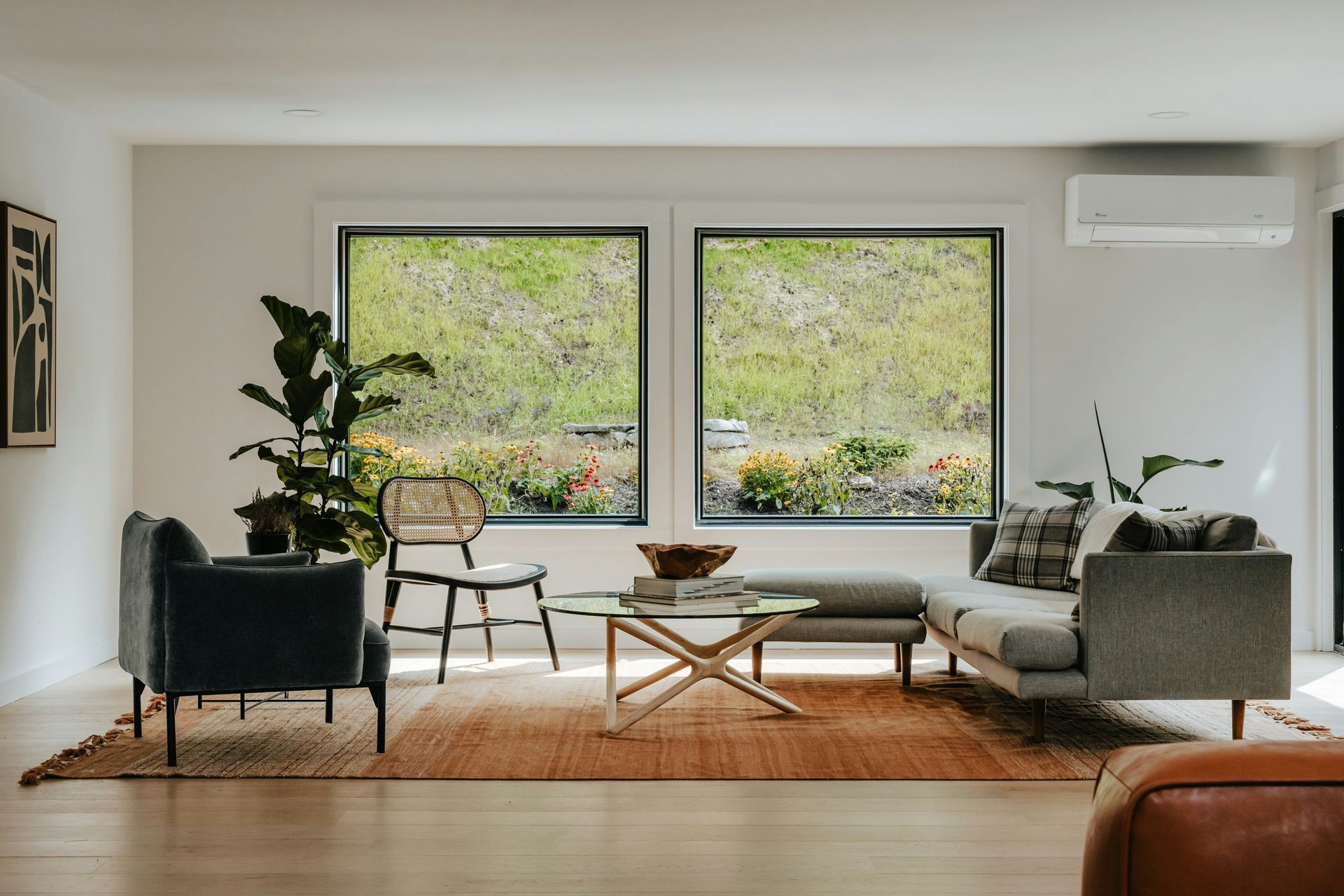
For living rooms and great rooms, most homeowners want bright, open spaces that still feel cool. We often suggest:
- Medium VLT to keep views and daylight
- Low SHGC to handle afternoon and evening heat
- Strong glare control for TVs and device screens
Tall or southwest-facing glass usually benefits from higher performance films because those windows get hit hard as the day goes on.
Bedrooms and home offices usually need more privacy and better control over light. Slightly darker films can help create calm, steady spaces for sleep and work. Good choices often include:
- Medium to lower VLT for privacy with some daylight
- Low SHGC for stable temperatures overnight and during long work hours
- Strong UV rejection to protect bedding, furniture, and office equipment
Kitchens, bathrooms, and sunrooms each have their own needs. In most kitchens and baths, people like a bright, clean feel. There, a lighter film can work well:
- Higher VLT to keep the room bright
- Good SHGC performance to reduce heat near sinks and counters
- Strong UV rejection for cabinets, tile, and finishes
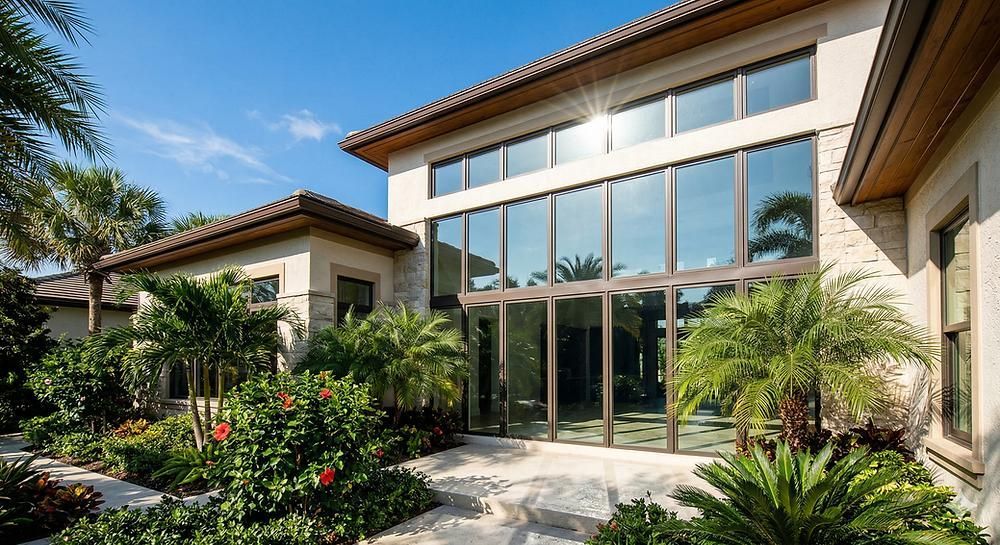
Sunrooms and large glass patio doors are usually the hottest spots in a Florida home. These areas often do best with higher performance films that might look a bit darker:
- Lower VLT for stronger glare control
- Very low SHGC for serious heat reduction
- Films that help make the space usable throughout the day
How to Match Film Specs to Your Windows and Goals
The best solar control window film for homes in Florida also depends on the glass itself and where it sits. Orientation matters:
- East-facing glass: focus on cutting morning heat so the home starts cooler.
- West-facing glass: look for stronger heat and glare control for late-day comfort.
- South-facing glass: balance brightness with heat reduction, since these windows see long periods of sun.
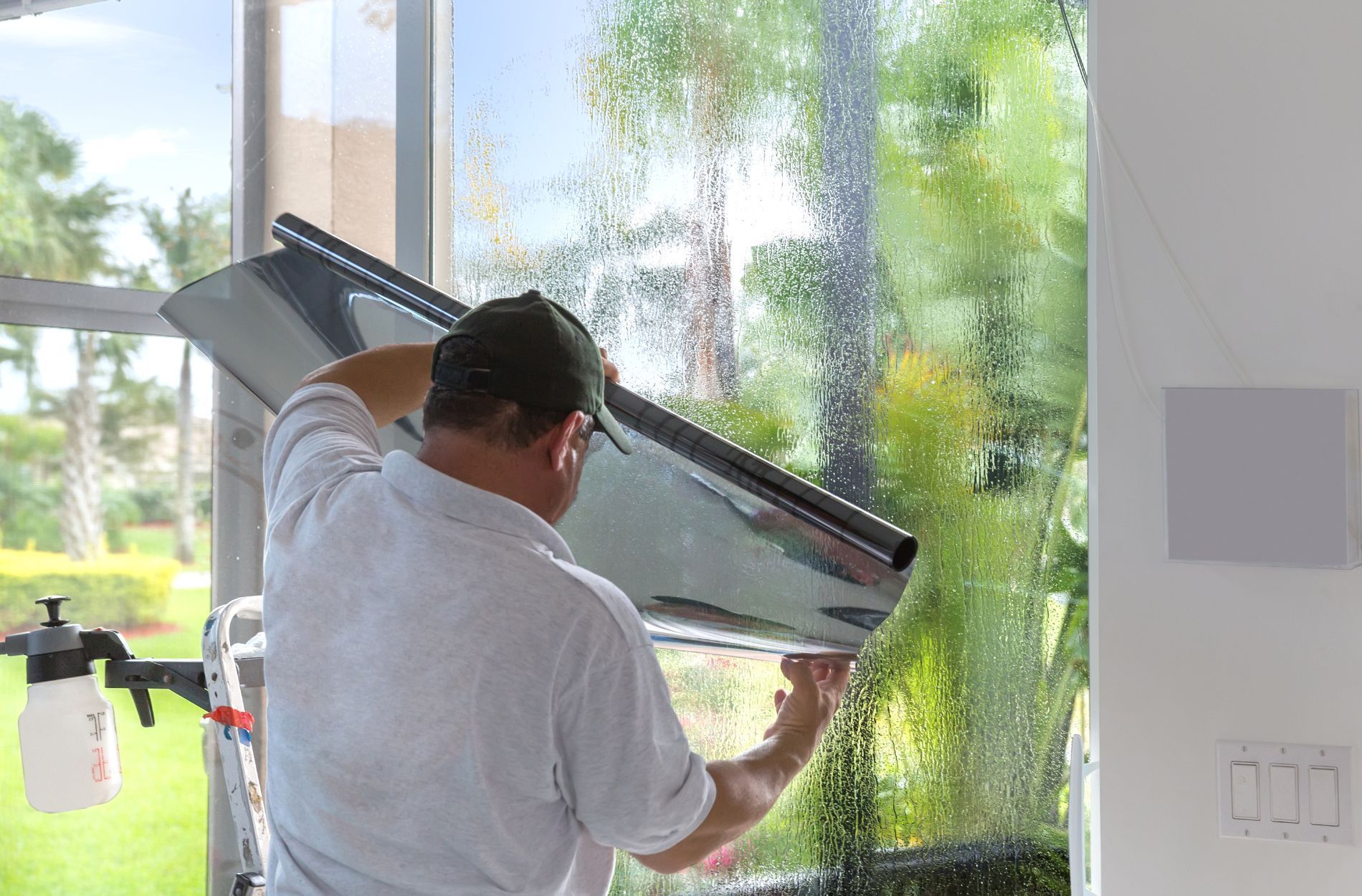
The type of glass is important too. Single-pane, dual-pane, low-E, and impact glass can each have different film guidelines from the manufacturer. A trained installer will match the film to the glass so you stay within safe limits and keep any existing glass warranties in mind.
It also helps to rank your goals. Ask yourself:
- Is your top priority lower AC use or more even temperatures?
- Are you more bothered by glare than by heat?
- Do you need more daytime privacy from neighbors or the street?
- Are you worried about fading floors or artwork?
Once you know what matters most, it is easier to pick the right balance of VLT, SHGC, and look. A professional evaluation can measure current light and heat levels, talk through these goals, and suggest specific LLumar or Vista films that fit your windows and your plans for the home.
Get Ready for Florida’s Summer with a Custom Film Plan
Spring is a smart time to get ahead of long, sunny days. As the sun angle changes and daylight stretches, the hottest rooms and worst glare spots often become very clear. A thoughtful film plan that focuses on your problem areas can make the whole house feel more consistent and comfortable.
Before the peak of summer and storm season, many homeowners like to gather a few recent utility bills, make a quick list of rooms that are always too bright or too hot, and note which windows get the strongest sun. With that information, a professional window film company can match specific LLumar or Vista films to each space so your glass works better for you over the long term.
Get Started With Your Project Today
Bring more comfort and energy savings to your home by letting
Solar-Tec Glass Tinting tailor a solution that fits your windows and your budget. Explore how our
solar control window film for homes in Florida can help reduce glare, protect interiors, and improve year-round comfort. We will walk you through options, answer your questions, and provide a clear, no-pressure estimate.
Reach out today so we can help you enjoy a cooler, more comfortable home.