Is Clear Windshield Film Legal, and What’s the Safer Option?
Is Clear Windshield Film Legal, and What’s the Safer Option?
Clear windshield film is often misunderstood because it does not look like traditional dark tint. Many drivers assume that if a film appears transparent, it must be legal and risk free. In reality, windshield rules are usually stricter than side window rules, and legality depends on where the film is applied, how much visible light still passes through, and whether the film is considered an obstruction. Clear film is also different from a
dark tint strip. It is typically installed to reduce UV exposure, cut glare, and improve comfort without changing the appearance of the glass. In Florida, where sunlight is intense and vehicles spend hours parked outside, more drivers in Eustis and surrounding areas are asking, is clear windshield tint legal, and what is the safest way to protect themselves and their interior. This guide explains how
Florida windshield tint laws apply to clear and nearly clear films, how compliance is measured, and how to choose a safer, compliant option.
Table of Contents
- What clear windshield film is
- Florida windshield tint laws for clear films
- Visible light transmission and how it is measured
- Safety for daytime and night visibility
- Low quality clear film vs ceramic technology
- UV and heat reduction without darkening
- Why professional installation matters
- FAQ
- Conclusion and CTA
1. What clear windshield film is and how it differs from tint
Clear windshield film is a type of automotive window film designed to be nearly transparent. Its purpose is performance rather than privacy. Drivers choose it to reduce ultraviolet exposure, lower infrared heat, and soften harsh glare, especially during bright Florida afternoons. It can also help protect interior materials from fading and cracking.
This is different from traditional dark window tint in two ways. First, the visible appearance is minimal. Second, the performance is often concentrated in UV and infrared ranges rather than visible light. In other words, a clear film can block a high percentage of UV and reduce heat without making the windshield look dark. This is why clear windshield film is popular among drivers who want comfort but do not want an obvious tint look.
Clear film is also different from a windshield sun strip. A sun strip is a shaded band at the top of the windshield. The strip is meant to reduce high angle sun glare and is usually regulated by height and placement. Clear film is typically discussed as a full windshield option, which is where legality and safety become more sensitive.
When you research clear windshield film legal Florida, keep in mind that the windshield is treated as the primary forward visibility surface. Because of that, many states restrict what can be applied to it more than they restrict side windows. The right film choice and the right installation approach matter more on the windshield than on any other piece of automotive glass.
| Option | Appearance | Main purpose | Main compliance risk |
|---|---|---|---|
| Clear windshield film | Nearly transparent | UV and heat reduction, mild glare control | Obstruction, VLT, or placement concerns |
| Dark window tint | Noticeably shaded | Privacy and glare reduction | Too dark for legal limits |
| Windshield sun strip | Shaded band on top | High angle sun glare reduction | Strip too low or too dark |
2. Florida windshield tint laws and how they apply to clear films
Florida windshield tint laws are focused on maintaining safe forward visibility. In general, states allow only limited tint on the windshield, often a top strip above a certain line. When drivers ask is clear windshield tint legal, they are often asking whether a nearly clear film applied across the whole windshield is treated differently from a dark tint. The answer depends on the exact rule set and how enforcement interprets obstruction and visibility.
Because this is an educational guide and not legal advice, the safest approach is to treat any full windshield film as a compliance sensitive decision. Even a clear film should be selected and installed with legality in mind. A
professional installer in Eustis should be able to explain how the film affects visible light transmission, where it can be placed, and whether it is intended for windshield use.
Practical compliance questions to ask include:
- Is the product rated for windshield use and high optical clarity?
- Does it create any haze, distortion, or reflectivity?
- Will it interfere with cameras or sensors near the rearview mirror?
- Is a top strip the safer legal choice for your goals?
| Windshield area | Typical legal approach | Safer option for most drivers |
|---|---|---|
| Top portion | Legal strip within allowed height | Properly sized strip plus quality sunglasses |
| Main viewing area | Highly restricted | Clear film only if it is compliant and safe |
| Camera and sensor zones | Must remain compatible | Installer should follow vehicle guidance |
3. Visible light transmission requirements and measurement
Visible light transmission, or VLT, is a percentage that represents how much visible light passes through the glass and any film on it. Higher VLT means more light passes through. Lower VLT means the glass looks darker. A common misconception is that clear film has no effect. In reality, even clear films reduce VLT slightly, and the combined VLT is what matters if factory glass already reduces light.
Law enforcement may use tint meters that measure VLT through a window. Windshield measurement can be more complicated due to curvature, access, and laminated glass. Some enforcement decisions on windshields are based on placement and obstruction rather than a single VLT number. This is one reason windshield compliance is not only about the percent. It is about the overall safety and legality of what is installed.
If you want a safer option, ask your installer to explain the film VLT, the expected combined VLT, and how that relates to Florida windshield tint laws. If your goal is glare reduction, remember that glare is not only controlled by darkness. Clarity and low haze matter more than many drivers expect.
| Film description | Typical look | VLT impact | Primary benefit |
|---|---|---|---|
| Clear high performance film | Looks clear | Small VLT reduction | UV and heat reduction |
| Light shade film | Slightly shaded | Moderate VLT reduction | More glare control |
| Dark film | Dark | Large VLT reduction | Privacy and glare control |
4. Safety considerations for daytime and night driving
Safety is the reason the windshield has stricter rules. A film that feels comfortable in the daytime can still reduce night time visibility. That matters most on rural roads, in heavy rain, and during Florida summer storms where visibility changes quickly.
With clear films, the main safety risks are optical clarity and haze. Low quality film can create a slight cloudiness that becomes much more noticeable at night when headlights create glare. Another risk is internal reflections. Some films can create reflections from the dashboard or bright streetlights, especially if the film has higher reflectivity.
To choose a safer option, prioritize films designed for windshield clarity and have the installation done by a professional who understands windshield-specific challenges. If you are sensitive to glare, also address the root causes. Pitted windshields, worn wiper blades, and dirty glass can create glare that no film can fix completely. A clear film can help with UV and heat, but it should not be used to compensate for a windshield that needs replacement.
5. Low quality clear films vs advanced ceramic technology
Not all clear films are created equal. Some low cost clear films are marketed as UV protection, but they may have poor optical quality or weak heat rejection. They can also break down faster in intense sun exposure. In Florida, those issues can show up quickly.
Advanced ceramic technology is designed to deliver higher infrared heat rejection while maintaining excellent clarity. Ceramic films can block more heat without needing a dark appearance. This is why many drivers are interested in premium products like LLumar FormulaOne window tint. The goal is to get comfort improvements while maintaining visibility and meeting Florida legal requirements.
Solar-Tec Glass Tinting installs LLumar FormulaOne
Auto Window Tinting products engineered to deliver advanced heat and
UV protection while meeting Florida legal requirements. For windshield protection solutions, the correct product selection and installation approach matter. A premium film that is intended for windshield use will typically be clearer and more stable than a generic clear film.
| Film category | Clarity risk | Heat rejection | Long term stability |
|---|---|---|---|
| Low cost clear film | Higher risk of haze | Low to moderate | Varies |
| Premium ceramic clear film | Lower risk of haze | High | Strong |
6. UV and heat reduction without darkening
Florida drivers often want a clear windshield solution because they want performance without a dark look. Clear films can reduce UV exposure, which helps protect skin and reduces interior fading. Heat rejection can also improve comfort, especially during long commutes or when the vehicle sits parked in the sun.
It is important to set expectations. A clear film may not feel like a dramatic change in glare on day one, because glare control is often tied to visible light reduction. The comfort change is often felt as reduced heat load and reduced sun fatigue. Many drivers notice that the cabin feels less harsh and the steering wheel and seats heat up less quickly.
For drivers who want glare reduction, a safer option may be a legal windshield strip paired with a high clarity performance film plan for the side windows. That combination often provides meaningful comfort while reducing compliance risk.
7. Why professional installation matters for legality and clarity
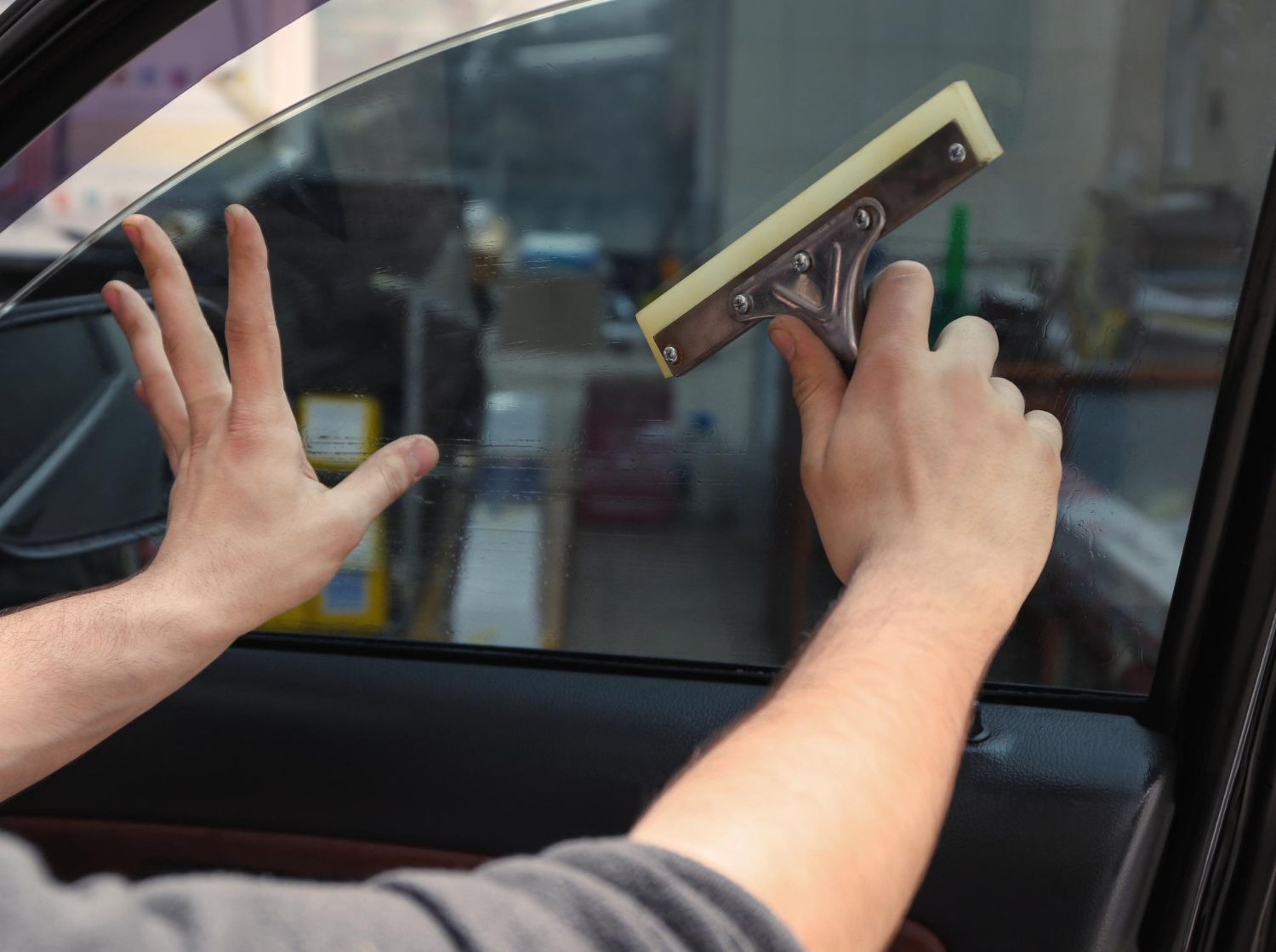
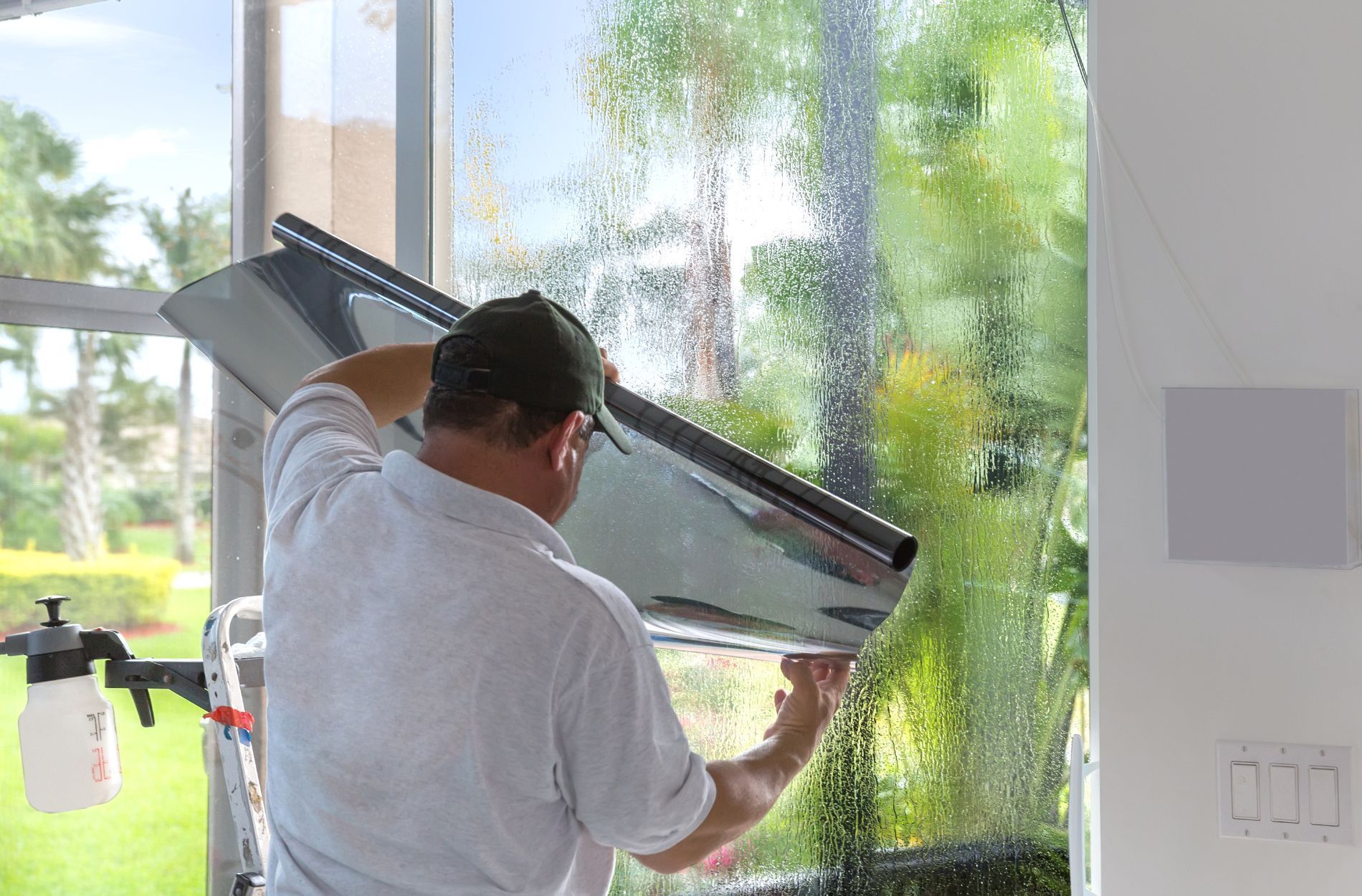
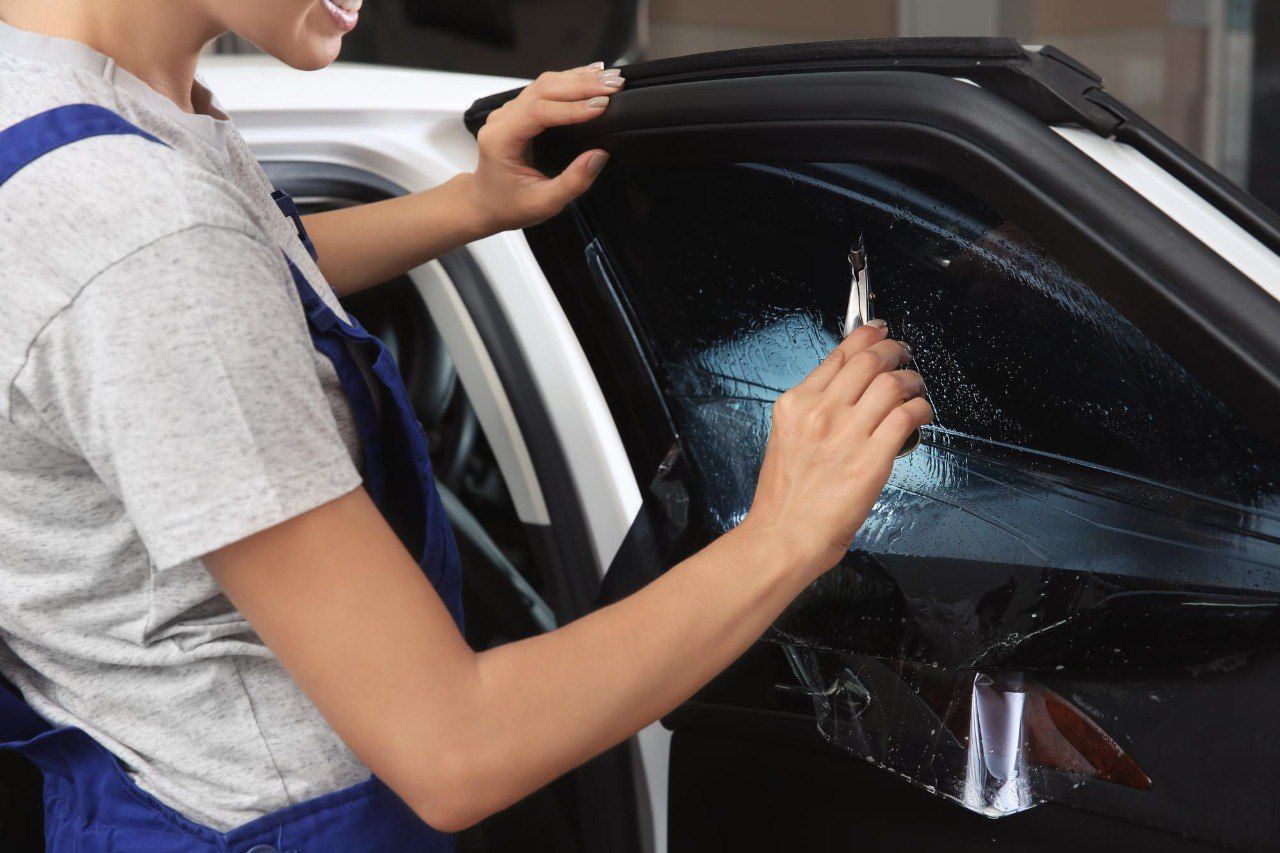
Professional installation matters most on the windshield. The glass is large, the film is difficult to handle, and any dust or contamination becomes very visible. A professional installer uses controlled methods to prevent debris, ensure clean edges, and avoid optical distortion. This is also where the installer can advise on legal placement, film selection, and how the final result will affect visibility.
In addition, modern vehicles have cameras and sensors that may be sensitive to film placement. A professional shop should know how to work around these zones and ensure the vehicle safety systems remain compatible. This is another reason the safest option is to have a shop that works with windshield films routinely rather than a general installer.
FAQ
Is clear windshield film legal in Florida?
Windshield rules are stricter than side windows. Legality depends on placement, visibility, and how Florida windshield tint laws apply to film in the main viewing area.
Is clear windshield tint legal if it looks transparent?
Not always. A film can look clear but still reduce VLT or be treated as an obstruction depending on placement.
How is VLT measured on a windshield?
VLT meters measure visible light transmission through glass and film. Windshields can be harder to measure due to curvature and laminated glass.
Will clear film affect night driving visibility?
A high clarity film should minimize impact, but low quality film can create haze that worsens headlight glare at night.
What is the safest windshield option for glare reduction?
For many drivers, a legal top strip plus quality sunglasses and clean glass is safer than dark windshield film.
Does factory glass already block UV?
Some windshields block UV more than side glass. Aftermarket film can enhance UV and heat performance depending on the product.
Can I use medical exemptions for windshield film?
Medical exemptions may exist, but they require documentation and may be limited. Confirm current Florida requirements.
Will film interfere with cameras or sensors?
It can if installed incorrectly. A professional installer should keep camera and sensor zones compatible.
What makes LLumar FormulaOne different?
Premium products are engineered for clarity and performance, including heat and UV protection, with strong stability over time.
How do I stay compliant long term?
Avoid layering films, keep documentation if applicable, and re evaluate film after windshield replacement.
Conclusion and CTA
Clear windshield film can offer real benefits for Florida drivers, including UV protection and heat reduction, but legality and safety depend on where it is installed, how it affects visible light transmission, and whether it maintains high optical clarity. If you are asking is clear windshield tint legal, the safest approach is to treat the windshield as a compliance first surface and choose a solution designed for clarity and legal requirements.
For expert guidance on compliant windshield protection options,
contact Solar-Tec Glass Tinting in
Eustis, FL. Solar-Tec installs LLumar
FormulaOne Auto Window Tinting products engineered for advanced heat and UV protection while meeting Florida legal requirements. Request a
free estimate for a safer, compliant windshield film solution that improves comfort and visibility.