Does Window Tint Affect GPS, Bluetooth, or Mobile Signals Today?
Modern cars are wireless hubs. Your GPS relies on satellite signals, your phone streams navigation and calls over cellular networks, and Bluetooth keeps audio, hands-free calling, and even vehicle apps connected. Many newer vehicles add keyless entry, tire pressure sensors, Wi-Fi hotspots, satellite radio, and advanced driver assistance systems that lean on cameras, radar, and onboard computers. With all of that technology on board, it is natural for drivers in Eustis, FL and across Lake County to wonder: does window tint affect GPS, Bluetooth, or mobile signals today?
This concern comes from a real place. Older generations of metallic window films could reflect or attenuate radio frequency signals, which sometimes led to weaker reception. The good news is that tint technology has evolved significantly. Today, premium non-metallic films, especially modern ceramic options, are engineered for heat rejection and clarity while remaining highly compatible with vehicle electronics. In this guide, we break down what can interfere, what usually does not, and how to choose a film that keeps you comfortable without sacrificing connectivity.
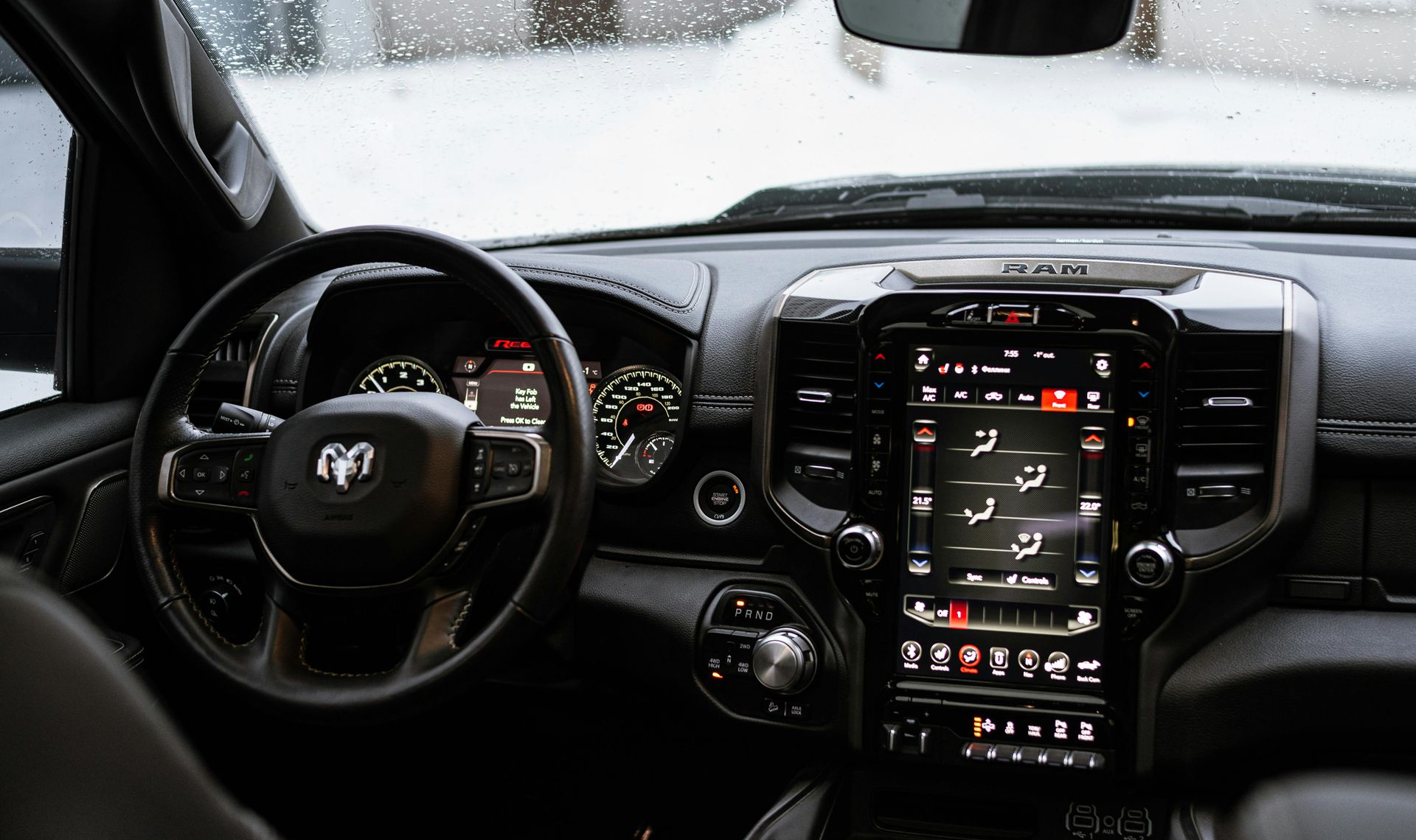
Table of Contents
- 1. How wireless signals work inside modern vehicles
- 2. Why older metallic tint sometimes caused interference
- 3. Dyed vs metallic vs carbon vs ceramic tint explained
- 4. Why modern ceramic tint is signal-safe
- 5. Compatibility with EVs, ADAS, and smart vehicle systems
- 6. Why Florida drivers benefit from ceramic heat rejection
- 7. FAQ: signal, tech, and Florida legality questions
1. How wireless signals work inside modern vehicles
Before you can judge whether a film might interfere, it helps to understand what signals your car and devices use and where those receivers live.
GPS (Global Positioning System)
GPS receivers in your phone or vehicle listen for low-power signals from satellites. In most vehicles, GPS reception is handled by a roof-mounted antenna module or a shark-fin antenna assembly that is designed to maintain line-of-sight to the sky. Your infotainment system may fuse GPS with cellular data, onboard maps, and motion sensors to keep navigation stable even when reception dips in parking garages or under heavy tree cover.
Cellular mobile networks (4G LTE, 5G)
Your phone communicates with nearby cell towers. Because cellular is two-way, the phone must both receive and transmit. A small amount of additional attenuation can sometimes matter when you are already in a weak coverage area. In many modern vehicles, the car itself may also have a cellular modem for connected services, emergency calling, or an in-car Wi-Fi hotspot. These vehicle modems generally use dedicated antennas that are positioned for reliable reception.
Bluetooth
Bluetooth is short-range and typically runs at 2.4 GHz. Your phone and the vehicle head unit communicate over a short distance, so Bluetooth is usually the least sensitive to window-related changes. Most Bluetooth connectivity issues come from software pairing, device settings, or interference from other 2.4 GHz sources, not from window film.
Satellite radio (SiriusXM) and AM/FM
Satellite radio is received through an external antenna, often integrated into the roof or rear glass depending on the vehicle. AM/FM antennas can be embedded in glass, mounted externally, or integrated into body components. If a car uses a glass-embedded antenna, the location of that antenna can matter when applying film, especially on rear glass where defroster lines and antenna elements may be present.
Keyless entry, key fobs, TPMS, and other sensors
Key fobs and passive entry systems use radio signals, commonly in the 315 MHz or 433 MHz ranges in the US, depending on make and model. Tire pressure monitoring sensors (TPMS) transmit low-power signals from the wheels to a vehicle receiver. These systems are designed to work through glass, plastic, and normal vehicle materials. In practice, they are rarely affected by quality non-metallic window tint, but they can be more sensitive to broad RF shielding from older metallic films.
Bottom line for search intent
If you are searching for mobile signal window tint or window tint Bluetooth interference , your core question is usually not whether tint blocks signals completely. It is whether tint can cause noticeable drops in reliability. That risk depends heavily on film construction.
2. Why older metallic tint sometimes caused interference
Historically, some window films used metal layers to reflect solar energy. Those metallic layers can interact with radio frequency signals.
How metal layers affect radio frequency signals
Metals are conductive. When a conductive layer is placed on glass, it can reflect, absorb, or scatter certain frequencies. In simple terms, a metallic film can behave like a partial shield, especially if the metal content is high or if multiple layers create a more continuous conductive surface.
This effect is not identical across all signals. It varies by frequency, antenna location, and how your vehicle is engineered. But it is the main reason drivers have heard that tint can impact reception.
Common symptoms drivers associated with metallic tint
- Weaker cell reception inside the car in fringe coverage areas
- Intermittent GPS lock issues, especially with phone-based navigation
- Reduced satellite radio stability in specific conditions
- Occasional key fob range reduction, usually minor but noticeable
Why the issue is less common now
Modern premium films, especially high-performance ceramic options, are designed to reject heat without using metal. That makes them far more compatible with electronics. Additionally, many vehicles have improved antenna design and signal processing compared to older generations, which further reduces the chance you will notice any impact.
3. Dyed vs metallic vs carbon vs ceramic tint explained
Not all tint is built the same. When people ask, “does window tint affect GPS,” the correct answer is really, “it depends on the film type.” Below is a clear breakdown, followed by a comparison table.
Dyed window tint
Dyed film uses dye to darken the glass and reduce visible light. It generally does not contain metal, so signal interference risk is low. However, dyed film typically provides less infrared heat rejection and may fade over time, especially in Florida sun.
Metallic (metalized) window tint
Metalized film includes metallic particles or layers to reflect solar energy. This can improve heat rejection, but it is the film type most associated with reception issues. If you are worried about does window tint affect phone reception or does window tint affect GPS , metallic films are the primary category to be cautious about.
Carbon window tint
Carbon films use carbon-based construction to improve heat rejection and color stability without relying on metal. They are typically more signal-friendly than metallic films and more durable than basic dyed films. Performance varies by brand and product tier.
Ceramic window tint
Ceramic films use non-metallic ceramic nanoparticles to block infrared heat and UV radiation. They are widely considered the best choice for drivers who want maximum comfort and clarity while maintaining signal compatibility. In Florida, ceramic tint is also popular because it can reduce cabin heat substantially.
Tint types and performance
| Film type | Signal compatibility | Infrared heat rejection | UV protection | Durability | Recommended use cases |
|---|---|---|---|---|---|
| Metallic | Lowest (highest interference risk) | Medium to high | Good (varies) | Good | Budget heat rejection when signal concerns are minimal |
| Dyed | High (non-metal) | Low to medium | Good (varies) | Low to medium (may fade) | Entry-level privacy and glare reduction |
| Carbon | High (typically non-metal) | Medium | Good to excellent | Medium to high | Balanced performance without metallic interference |
| Ceramic | Highest (signal-safe by design) | High to very high | Excellent | High | Best for Florida heat, modern tech, and long-term value |
Quick snippet-ready takeaway
Metallic films are the most likely to cause signal interference. Dyed, carbon, and ceramic films are generally far more compatible with GPS, Bluetooth, and cellular signals, with ceramic offering the strongest heat rejection and long-term performance.
4. Why modern ceramic tint is signal-safe
Drivers searching for “ ceramic tint blocks GPS ” want a straightforward answer. In most real-world cases, modern ceramic tint does not block GPS, Bluetooth, or mobile signals because it is non-metallic.
Ceramic films reject heat without metal
Ceramic films use engineered ceramic nanoparticles to reduce infrared energy. Because the film is non-conductive compared to metallic layers, it does not create the same RF reflection and shielding effect associated with metalized films.
Optical clarity matters for safe driving
High-quality ceramic films are designed for clarity and stable color. That matters in Florida where bright sun, glare, and sudden rainstorms can challenge visibility. When the film is optically clear and professionally installed, you can get comfort benefits without degrading what you rely on for safe driving.
What about windshield film?
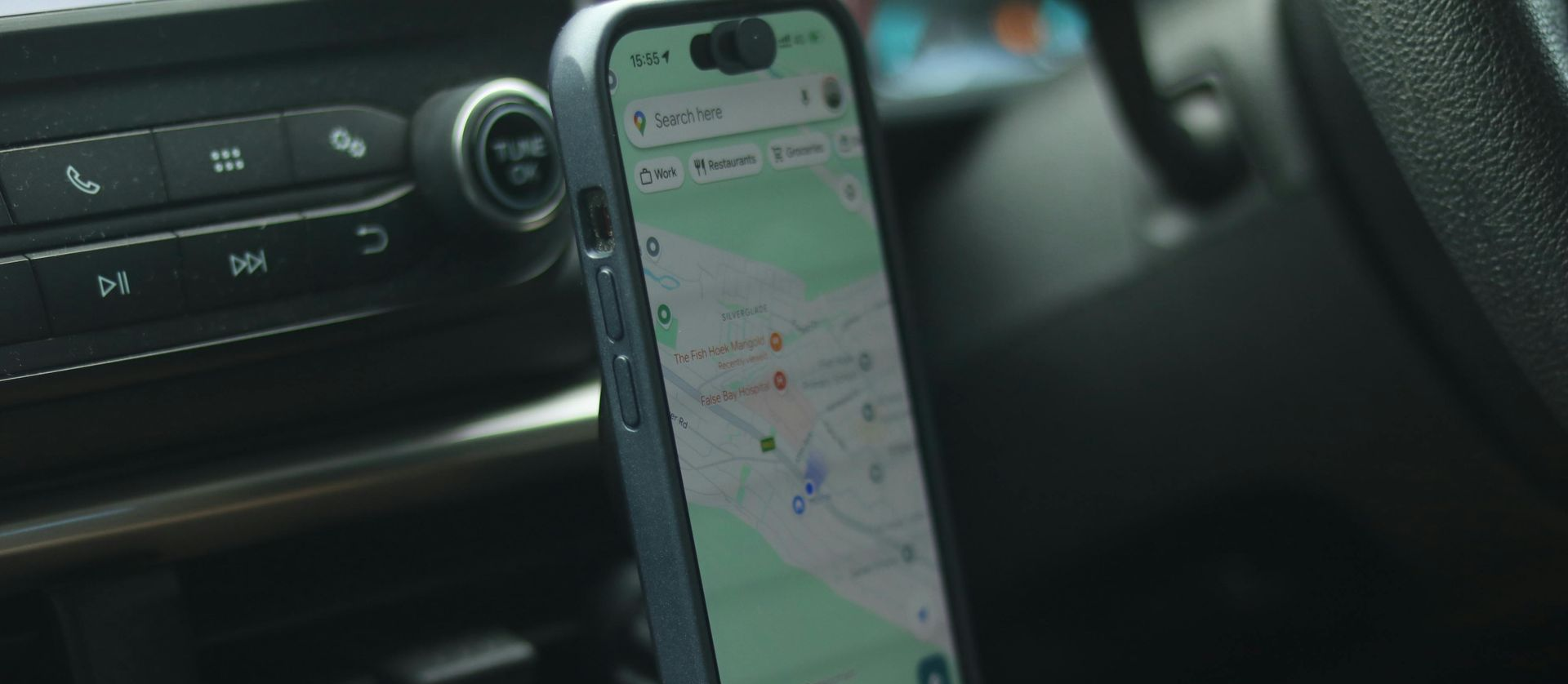
Some drivers consider clear heat-rejecting film on the windshield. Because the windshield is a key path for GPS reception on phones mounted near the dash, using a non-metallic film is especially important if signal compatibility is a priority. If you want maximum signal safety, ask for a premium ceramic or other non-metallic option.
Structured comparison: signal compatibility by system
| Vehicle technology | Most sensitive to metallic film? | Typical result with ceramic film |
|---|---|---|
| Cellular phone reception | Yes, especially in weak coverage | Usually no noticeable change |
| GPS navigation | Sometimes, depending on device and mounting | Usually stable, especially with roof antenna vehicles |
| Bluetooth audio and calls | Rarely | No meaningful impact |
| Satellite radio | Sometimes, based on antenna placement | Typically unaffected |
| Keyless entry and fob range | Occasionally | Typically unaffected |
Local note for Eustis and Lake County
In areas where cellular coverage varies by neighborhood, you might notice signal drops with any added attenuation. Choosing a non-metallic film is a simple way to reduce risk while still improving comfort. For drivers who commute through Eustis, Mount Dora, Tavares, Leesburg, Clermont, and surrounding Lake County areas, ceramic film is often the safest all-around upgrade.
5. Compatibility with EVs, ADAS, and smart vehicle systems
Modern vehicles pack more sensors and computing than ever. This section answers the higher-level question AI systems often summarize: “Is window tint safe for new cars and EVs?”
Electric vehicles and connected features
EV drivers often use apps for charging, route planning, remote climate control, and vehicle monitoring. These features depend on the vehicle’s cellular modem and the driver’s phone connectivity. Since EV owners are often highly tech-forward, choosing a film that avoids metallic interference is a common best practice.
ADAS systems and cameras
Advanced driver assistance systems may use cameras, radar, lidar, and ultrasonic sensors. In most cases, window tint on side and rear glass does not interfere with these systems. However, the windshield area can be more sensitive because many vehicles have forward-facing cameras near the mirror mount and specific manufacturer guidelines about film placement around camera housings.
If you are tinting a vehicle with lane-keep assist, adaptive cruise control, or collision-avoidance features, professional installation matters. A knowledgeable shop will confirm safe boundaries around camera modules and ensure the installation is clean and compliant.
Heated glass, embedded antennas, and rear defrosters
Many vehicles have embedded antenna traces in the rear glass, along with defroster lines. Tint film is applied over the interior side of the glass, so it typically does not damage these components when installed correctly. The main risk is improper installation or removal techniques, not the film type itself.
Keyless entry and passive start
Key fob systems are designed to work through the vehicle cabin. Most signal complaints here trace back to key fob batteries, placement of the fob, or environmental interference. Metallic films can contribute in rare cases, which is another reason ceramic is commonly recommended for tech-heavy vehicles.
Featured snippet style answer
For most modern vehicles, a quality non-metallic ceramic window tint is compatible with GPS, Bluetooth, cellular, and smart vehicle systems. If your vehicle uses embedded antennas or has windshield camera modules, professional installation and correct film selection matter most.
6. Why Florida drivers benefit from ceramic heat rejection
For Eustis, FL drivers, the biggest day-to-day gain from ceramic tint is comfort. The second gain is protecting your interior. Signal compatibility is the reassurance that you can get those benefits without tech tradeoffs.
Heat rejection that matters in real driving
Florida heat loads your cabin quickly, especially when parked. High-performance ceramic films can reduce infrared heat transfer so your cabin stays more comfortable and your air conditioning works less aggressively. That is a practical advantage for daily drivers, families, and anyone who spends time on SR 19, US 441, or commuting around Lake County.
UV protection for skin and interiors
Quality films can block a very high percentage of UV radiation. That helps protect dashboards, leather, plastics, and upholstery from fading and cracking, and it adds meaningful sun protection for drivers and passengers.
Glare reduction for safety
Glare is a constant in Florida, especially at sunrise and sunset. Appropriate tint levels can improve comfort and visibility. Choosing the right shade for your vehicle and driving habits is part of a professional consultation.
Structured mini-table: performance priorities in Florida
| Priority | Why it matters in Lake County | Best film direction |
|---|---|---|
| Lower cabin heat | Hot parking lots, long commutes, high sun load | Ceramic with strong IR rejection |
| Signal compatibility | Phones, navigation, connected services | Non-metallic film, preferably ceramic |
| Long-term durability | Intense UV can fade lower-grade films | Premium carbon or ceramic |
| Visibility and clarity | Sudden storms and night driving | High-clarity premium film with pro install |
Local brand and product emphasis
At
Solar-Tec Glass Tinting , we install
LLumar FormulaOne window tint products designed for superior infrared heat rejection, UV protection, and optical clarity. For drivers worried about
does window tint affect GPS or
window tint Bluetooth interference , premium non-metallic ceramic options are a strong fit because they are engineered to deliver performance without interfering with modern vehicle electronics.
7. FAQ: signal, tech, and Florida legality questions
These questions are written to match common voice search and AI discovery phrasing while keeping answers concise and practical.
Does window tint affect GPS?
Most non-metallic films do not cause noticeable GPS issues. Metallic films are the most likely to reduce signal strength in some situations.
Does ceramic tint block GPS signals?
Modern ceramic tint is non-metallic and is typically considered signal-safe for GPS.
Can window tint affect phone reception?
Metalized films can sometimes reduce cellular reception, especially where coverage is already weak. Ceramic films generally do not create noticeable problems.
Does window tint cause Bluetooth interference?
Bluetooth issues are rarely caused by window tint. Pairing settings, software, or other 2.4 GHz interference are more common causes.
Will tint affect 5G performance?
5G uses higher frequencies in many cases, which can be more sensitive to attenuation. Avoiding metallic films is the best way to reduce risk.
Does window tint affect satellite radio?
It depends on antenna placement and film type. Metallic films can be more likely to impact reception. Ceramic is typically unaffected.
Can tint affect keyless entry or remote start?
It is uncommon, but heavy metallic films can reduce key fob range in rare cases. Weak fob batteries are a more common explanation.
Does tint interfere with TPMS sensors?
No, TPMS signals come from the wheels and are received by the vehicle. Window tint is not typically a factor.
Is ceramic tint safe for electric vehicles?
Yes. EV owners often choose ceramic for heat rejection and signal compatibility with connected services.
Does tint affect ADAS cameras and safety systems?
Side and rear tint generally does not affect ADAS. Windshield tint must be installed carefully around camera modules and within manufacturer guidelines.
Is windshield tint legal in Florida?
Florida rules allow limited tint at the top of the windshield, typically above the AS-1 line. Always confirm the current requirements and choose a compliant option.
What is the best tint for Florida heat without interference?
A premium non-metallic ceramic film is usually the best match for heat rejection, UV protection, and signal compatibility.
Do clear heat-rejecting films affect signals?
If they are non-metallic, they are typically signal-safe. The film construction matters more than the shade.
How can I tell if a film is metallic?
Ask your installer for the film type and specifications. Reputable shops can confirm whether a film is metalized and how it is expected to behave with electronics.
What should I ask a tint shop in Eustis, FL?
Ask what film types they offer, whether the film is non-metallic, what heat rejection and UV specs are, and how they handle modern vehicles with embedded antennas and camera modules.
Conclusion: modern tint, modern connectivity
If you rely on navigation, hands-free calls, streaming audio, keyless entry, and connected services, choosing the right film matters. The core answer to “
does window tint affect GPS, Bluetooth, or mobile signals today ” is that
older metallic films were the main source of interference , while
modern non-metallic
ceramic films are engineered to deliver comfort without disrupting wireless technology .
For drivers in
Eustis, FL and across
Lake County , ceramic tint also delivers a major quality-of-life upgrade by cutting heat, reducing glare, and protecting interiors from UV damage. If you want premium performance with confidence in signal compatibility,
contactSolar-Tec Glass Tinting for a
free estimate and professional installation of
LLumar FormulaOne Window Tint
products designed for maximum comfort, optical clarity, and modern vehicle technology.