Understanding Florida Auto Window Tint Laws Before You Upgrade
Stay Cool and Legal on Florida Roads This Summer
Hot sun and bright glare can make driving in Florida feel tiring very quickly. Darker window tint sounds like an easy fix, and it can be a big help with comfort. Before you upgrade, it is important to know what the law allows on your car so you do not create a problem while trying to solve one.
Florida auto window tint laws are pretty specific. If you ignore them, you can end up with tickets, failed inspections, or paying again to remove illegal film. When you understand the rules, you can enjoy cooler rides, better privacy, and a sharp look without worry.
As a local tint shop serving Eustis and Lake County, we help drivers find a balance between heat control, style, and legal limits. We will walk through how tint is measured, what the Florida rules actually say, common mistakes that lead to tickets, and how a professional shop can keep you safe and legal.
What Florida’s Window Tint Laws Actually Say
First, let us clear up how tint is measured. Every piece of auto glass lets in some light. Visible Light Transmission, or VLT, is the amount of light that passes through. It is written as a percent.
- Higher VLT percent means lighter tint and more light coming in
- Lower VLT percent means darker tint and less light coming in
- The law in Florida sets minimum VLT levels for each window
- If you go below that number, the tint is too dark and not legal
Florida’s rules are different for two main vehicle types. The limits are stricter on passenger cars than on larger vehicles.
For most sedans and coupes:
- Front side windows must let in more light than the rears
- Back side and rear glass can be darker but still have a set limit
- Each window type has its own legal range that must be followed
For SUVs, vans, and trucks:
- Front driver and passenger windows usually follow the same rule as cars
- Rear passenger and cargo area glass can often be darker
- The rear window has its own allowed range as well
Many drivers focus only on side windows and forget about the windshield. Florida law is very strict here. You cannot just run a dark strip all the way across. There are rules about:
- How far down from the top of the windshield tint can go
- How light that strip must be
- What kind of film is allowed on the main viewing area
There are also limits on reflectivity and color. Extremely mirrored tint and certain bright or unusual colors can get you in trouble. Florida also requires tint to have a small manufacturer sticker on the inside of the driver-side door area that shows the film meets state rules.
Some people may qualify for a medical exemption, usually because of serious light sensitivity or other health concerns. If you think this might apply to you, it is important to:
- Talk with a licensed medical professional first
- Make sure your paperwork is complete and current
- Keep proof in your vehicle in case an officer asks
Even with an exemption, it is still smart to discuss the legal side with a tint professional before choosing darker film.
Common Tinting Mistakes That Lead to Ticket
Most tint tickets in Florida come from a few common mistakes that are easy to avoid with good information.
Frequent trouble spots include:
- Front driver and passenger windows tinted darker than the law allows
- Windshield tint that goes too low or is too dark
- Dark film added over already tinted factory glass so the combo ends up illegal
- Reflective or colored tint that does not meet state rules
Law enforcement has a couple of simple ways to check your tint. Officers can:
- Use a handheld meter that reads the actual VLT through your glass
- Do a quick visual check during a traffic stop and then test the windows
- Look for the required manufacturer sticker that shows the film type
If your tint is too dark or not labeled correctly, you could face:
- Fix-it tickets that require you to remove or replace the tint
- Repeat fines if you ignore the first warning
- Extra trips to get your vehicle inspected again
- Paying twice, once to strip the old film and again to install legal tint
There are a few myths that cause real problems:
- “Factory tint does not count.” It does count. Any film on top makes the window darker overall.
- “Shops will tint as dark as you want.” Reputable installers will not do work that breaks Florida law because it hurts you and them.
- “If it looks okay to me, it must be fine.” Human eyes are not good tint meters. A legal setup can look pretty dark, and an illegal one can look lighter than you expect.
Balancing Comfort, Privacy, and Compliance
So how do you stay cool without breaking Florida auto window tint laws? The good news is that you do not have to choose between comfort and compliance if you pick the right products.
Quality window films like LLumar, FormulaOne, and Vista can:
- Cut heat so your AC does not have to work as hard
- Reduce glare so your eyes feel less strained
- Block UV rays that can damage skin and interiors
- Make your car feel more comfortable on bright days
Advanced ceramic and infrared-rejecting films are especially useful in sunny areas like Central Florida. They can block a lot of heat energy even at legal VLT levels. That means you do not need super dark glass to feel a real difference.
Privacy is a big reason many people want tint. With sedans, there are stricter rules on how dark you can go all around the car. You will get some privacy, but people may still see shapes and movement inside. SUVs and trucks often allow darker rear windows, so you can get more privacy in the back seats and cargo area while keeping the front legal.
A professional tint installer can help you match your goals with the right film shade. You might say:
- “I want maximum heat control, but I do not want trouble with tickets.”
- “I care most about privacy for kids in the back.”
- “I just want glare and UV cut down so driving feels easier.”
With that info, they can suggest film types and shades that deliver benefits while staying inside the law. You still get interior fade protection, better driving comfort, and a cleaner, more finished look, all without raising red flags for officers.
How a Professional Tint Shop Keeps You Within the Law
A trusted tint shop plays a big role in helping you follow Florida auto window tint laws. The goal should not be to push the limits and hope for the best. It should be to set up your vehicle so you can drive with confidence.
At a professional shop, the process often includes:
- Talking about your vehicle type, how you drive, and what you want from tint
- Reviewing Florida rules for your specific windows and glass layout
- Looking at the glass to see if it already has any tint or factory shading
Factory glass can have some color built in, even if it looks pretty clear. A good installer will measure that and then calculate how dark the window will end up after adding film. They choose a film VLT that, when combined with the existing glass, stays within legal limits.
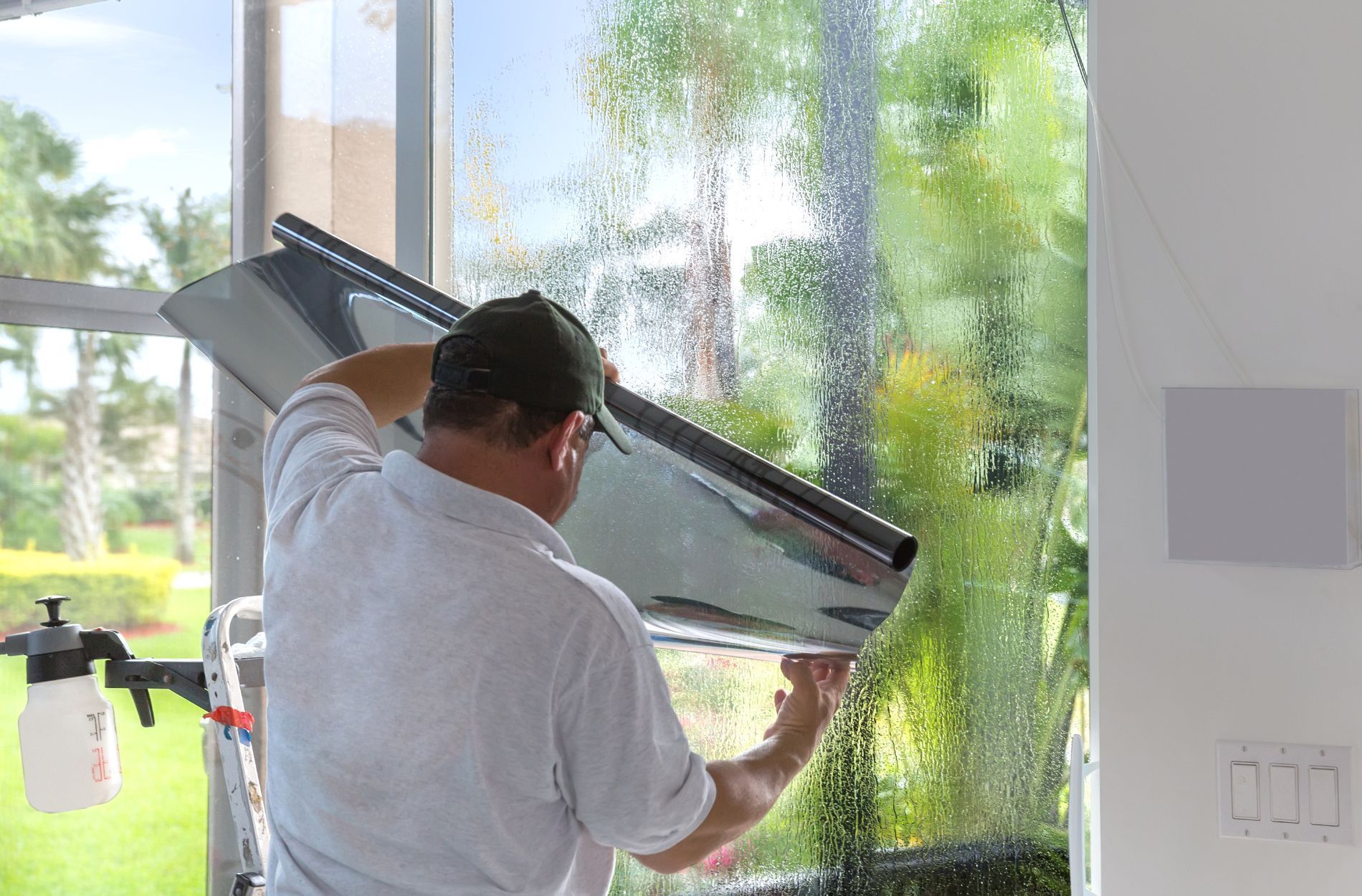
Proper installation also matters. Clean prep, careful trimming, and correct curing time help prevent:
- Bubbles or peeling that can block your view
- Uneven shade that might draw attention in a traffic stop
- Film that shifts in appearance over time
Premium films like the ones we use are designed to hold their color and clarity. That makes it less likely they will fade, turn odd shades, or change enough to affect legal readings.
A professional shop can also:
- Place the required tint sticker correctly inside your driver area
- Answer questions about inspections or tint checks
- Give guidance if you get a new vehicle and want to match or update tint
Ready to Tint? Check the Law and Plan Your Upgrade
As spring schedules fill up and people spend more time on the road, many drivers start thinking about cooler, more comfortable commutes. Before you change your windows, take a few minutes to review the current Florida rules so you know where the limits are.
When you are ready to talk options, Solar-Tec Glass Tinting in Eustis is here to help. We will walk through your vehicle, explain what is legal for each window, and suggest LLumar, FormulaOne, or Vista film choices that fit your needs and your daily driving. That way you enjoy cooler interiors, UV protection, and a clean, stylish look while feeling confident every time you see a patrol car in the mirror.
Stay Legal And Comfortable With Expert Window Tinting
Make sure your vehicle looks great and stays within state guidelines by reviewing the current
Florida auto window tint laws before you tint. At
Solar-Tec Glass Tinting, we help you
choose the right shade that matches your style while meeting all legal requirements.
Reach out to our team today to schedule an appointment so we can get your car compliant, protected, and looking its best.