Common Florida Auto Window Tinting Mistakes to Avoid
Avoid Costly Tinting Mistakes Before Summer Hits
Auto window tint helps a lot in our Florida sun. It keeps the car cooler, protects your skin, and makes driving more comfortable during those long bright days. But rushing into a quick tint job right before spring break or a summer road trip can create more problems than it solves.
Many drivers hurry to get the darkest film they can find, without checking
Florida auto window tint laws or the quality of the installer. That can lead to tickets, poor visibility in heavy rain, and tint that starts to peel just as the hottest months arrive. With a little planning, you can avoid all of that.
We want to help you understand the most common tint mistakes we see across Florida, especially here in Lake County. When you know the rules, the film types, and the red flags to watch for, it is much easier to
choose the right tint and enjoy long-term comfort on the road.
Misunderstanding Florida Tint Laws and Getting Ticketed
Florida has clear rules about how dark and how reflective your car tint can be. These rules are based on VLT, or visible light transmission, which is how much light is allowed through the glass. Different windows on your car have different limits, and SUVs are not always treated the same as sedans.
Here are some common legal mistakes drivers make with tint in Florida:
- Copying a friend’s tint without knowing if theirs is actually legal
- Trusting that whatever came on the car from the dealer is always within the law
- Letting a cheap tint shop install film that is darker than allowed
- Forgetting about rules on reflectivity and mirror-like films
When a car does not meet
Florida auto window tint laws, you might face:
- Tickets or fix-it citations
- The cost and hassle of stripping off illegal film
- Having to re-tint right when shops are the busiest in late spring
A careful,
professional tint shop will explain which shades meet state rules for front side windows, rear windows, and back glass. They will also respect reflectivity limits and the special rules that can apply to different vehicle types. You should get clear information and documentation so you can feel confident if anyone ever questions your tint.
Choosing Tint by Darkness Instead of Heat Rejection
A lot of people focus only on how dark the tint looks. They point to a sample and say, “I want that one.” But in Florida, darkness is not the whole story. What really matters for comfort is how well the film blocks heat, UV rays, and glare.
Low-cost dyed films may look dark on day one, but they usually:
- Do not block much infrared heat
- Fade or turn purple under strong sun
- Can make your windows look patchy over time
Higher-quality films, like many options from LLumar and FormulaOne, are designed to reject more heat and UV without needing to be super dark. That means:
- A cooler cabin even with a lighter legal shade
- Less eye strain from glare
- Better protection for your skin and interior surfaces
Another problem with choosing only by darkness is visibility. Very dark film on the front side windows or a heavy strip across the windshield can make it hard to see during Florida’s sudden rain showers and dark evening storms. A smart approach is to review the performance numbers, like total solar-energy rejection and UV protection, and choose a film that balances clarity, comfort, and legal limits.
Skipping Professional Installation and Quality Film
DIY tint kits and “bargain” mobile jobs are tempting when you want a quick fix. But with tint, shortcuts usually show up fast. We often see:
- Bubbles that never go away
- Edges that start peeling or lifting
- Dust and lint trapped under the film
- Seams where pieces were cut by hand
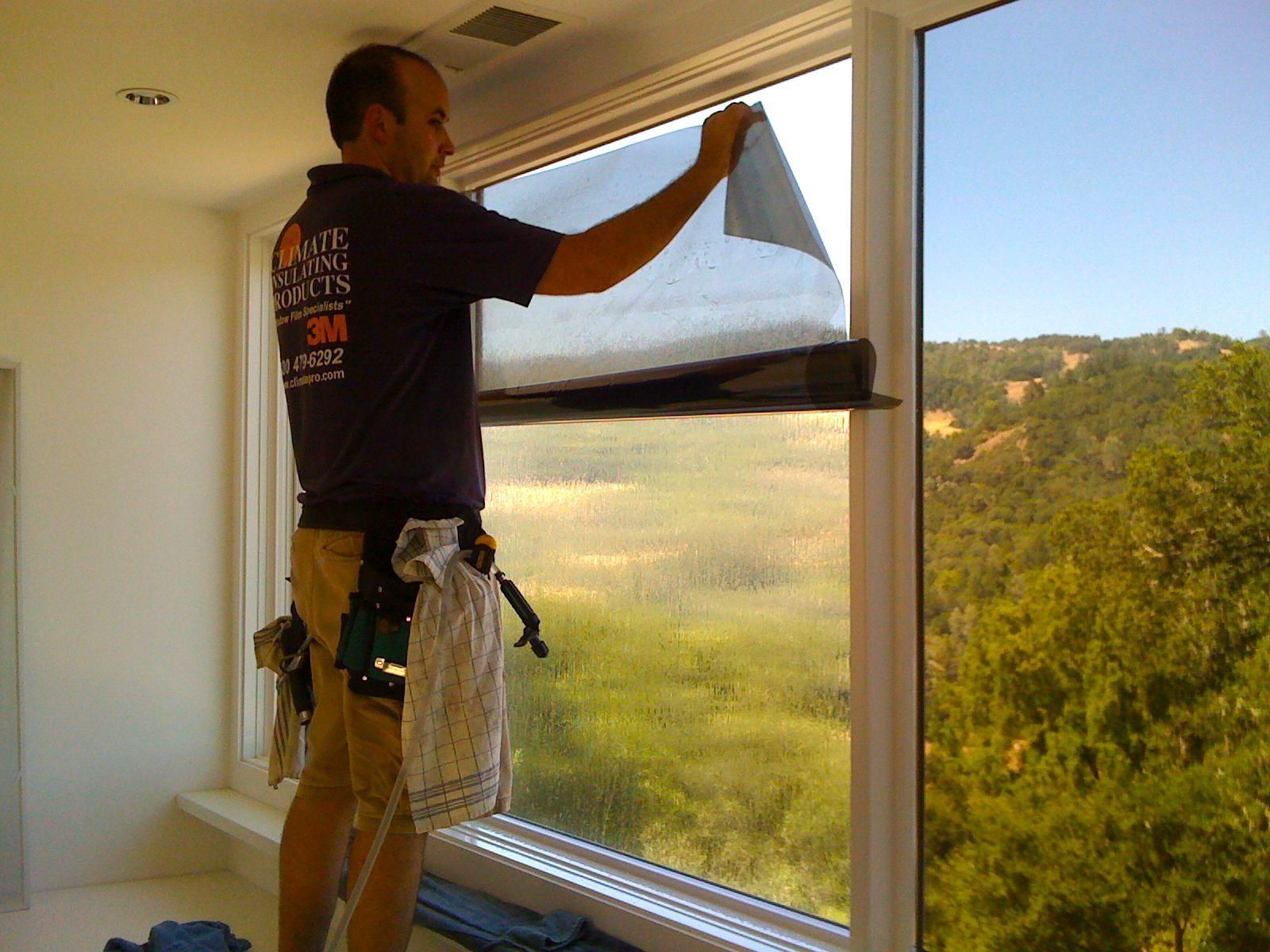
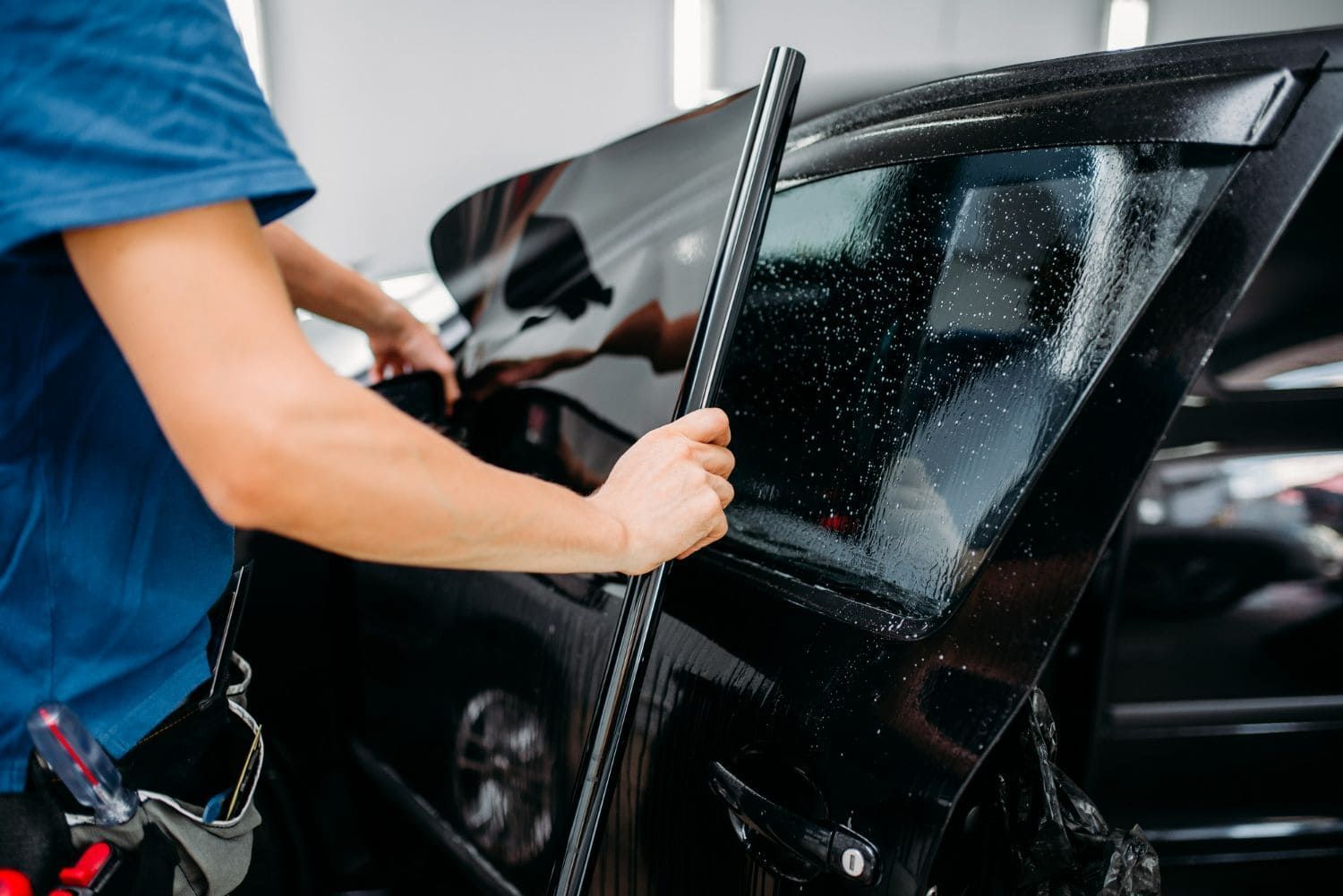
A professional shop uses the right tools and the right space. Clean indoor bays, careful prep, and computer-cut patterns help the film fit your glass closely with smooth edges and no rough cuts. This leads to a clean, factory-like finish that stays looking good even through long stretches of Florida sun and humidity.
Cheap film can also be a false “savings.” Lower-grade tint often breaks down quickly in our climate. The color can shift, the adhesive can fail, and the film can start to bubble. Then you have to pay again to remove it and tint the car a second time. Quality films that come with strong manufacturer-backed warranties help protect your investment against issues like fading, bubbling, and adhesive failure.
Ignoring Your Vehicle Type and Daily Driving Needs
Not every car should have the same tint setup. A one-size-fits-all approach often leads to regret. Sedans, trucks, SUVs, and work vehicles each have different glass sizes, rear visibility needs, and legal details.
Before tinting, it helps to think about how you actually drive:
- Do you have long highway commutes with lots of sun on your arms and face?
- Do you drive late at night and need very clear vision out of the front windows?
- Do you use the car for rideshare or transporting kids and pets in the back seat?
- Do you need extra privacy in the rear but still want clear views up front?
Often, the best answer is a mix of shades and technologies. For example, many drivers like:
- A lighter, legal film on the front doors to keep good visibility
- A stronger heat-rejecting film on the rear doors and back glass for comfort and privacy
- Careful planning of any windshield strip so it blocks sun, not your view
A good installer will talk through your daily routine, look at your specific vehicle, and then suggest a film setup that fits your life instead of just pushing the darkest option on the board.
Protect Your Ride Now for a Cooler Florida Summer
As spring break trips and summer plans get closer, it is smart to get your tint right the first time. The biggest mistakes to avoid are ignoring Florida auto window tint laws, picking film only by how dark it looks, cutting corners on film quality and installation, and forgetting to match your tint to the way you actually drive.
Quality window film, installed with care, can make a big difference in comfort and safety on our bright Florida roads. Here in Eustis, we work with LLumar and FormulaOne films every day and see how the right setup can keep your car cooler, protect your interior, and stay looking sharp season after season.
Taking a little extra time now to learn your options can save you from tickets, poor visibility in heavy rain, and the headache of a bad tint job when the sun is strongest. When you are ready, Solar-Tec Glass Tinting is here in Lake County to help you choose a legal, long-lasting tint solution that fits both your vehicle and your daily driving needs.
Stay Legal And Comfortable With Professional Window Tinting
Before you install new tint or update an older film, make sure your vehicle is fully compliant with current
Florida auto window tint laws. At
Solar-Tec Glass Tinting, we help you choose the right shade and film type so you stay within legal limits while improving comfort and UV protection.
Reach out today and we will walk you through your options, answer your questions, and schedule an installation that fits your timeline.