Florida Home Comfort Audit: Room-by-Room Checklist for Window Film and HVAC
Turn Florida Heat Into Year-Round Home Comfort
Florida homes deal with strong sun, long warm seasons, and AC systems that never really get a break. When late summer hits, many homeowners notice higher energy bills, hot spots in certain rooms, and fading floors or furniture where the sun blasts in every afternoon.
A simple home comfort audit helps you figure out where heat, glare, and humidity are slipping in. By walking room by room and paying attention to how each space feels, you can spot the real trouble areas before the next long stretch of hot weather. The goal is not just to run the AC harder, but to stop so much heat from getting indoors in the first place.
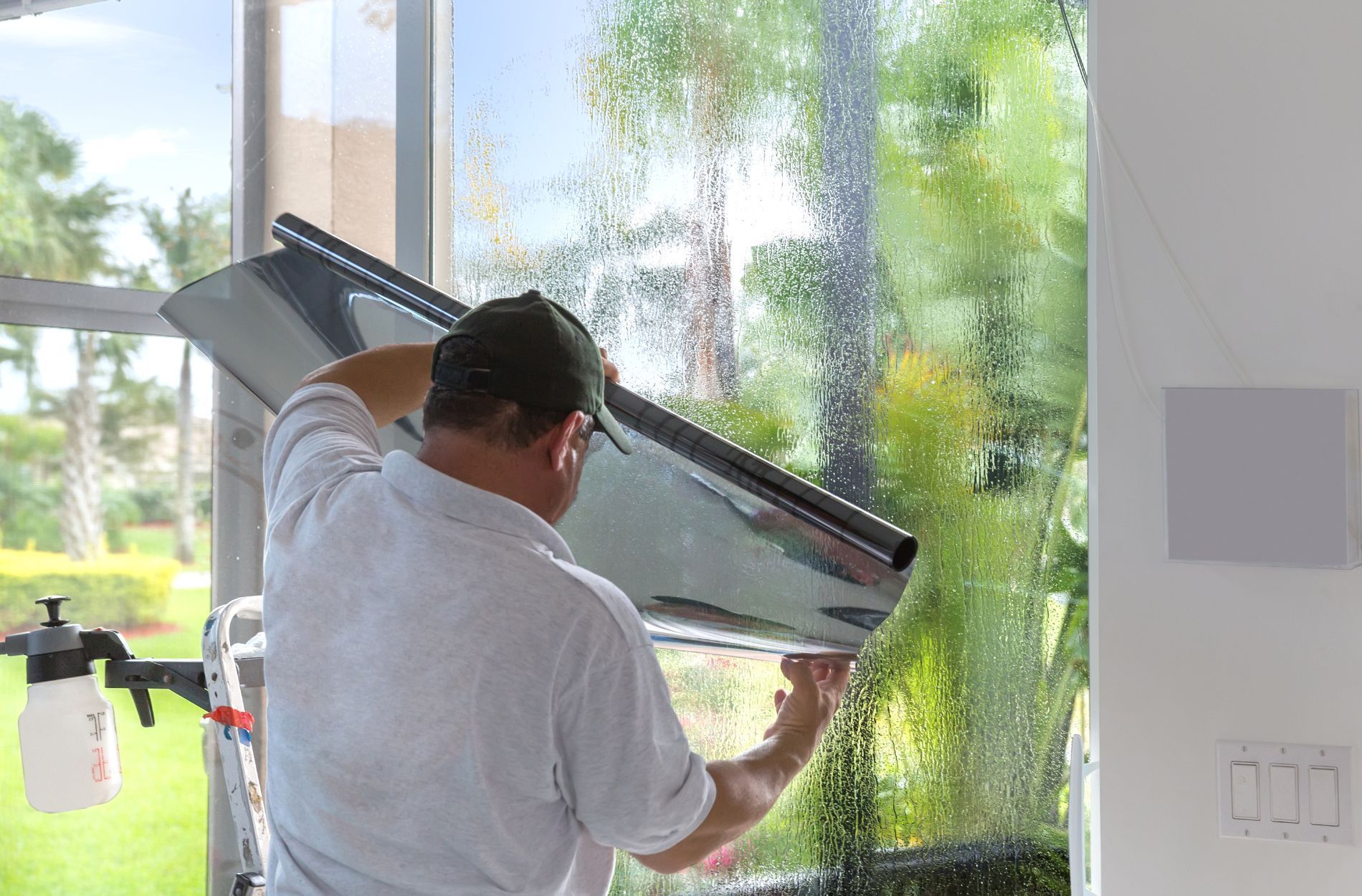
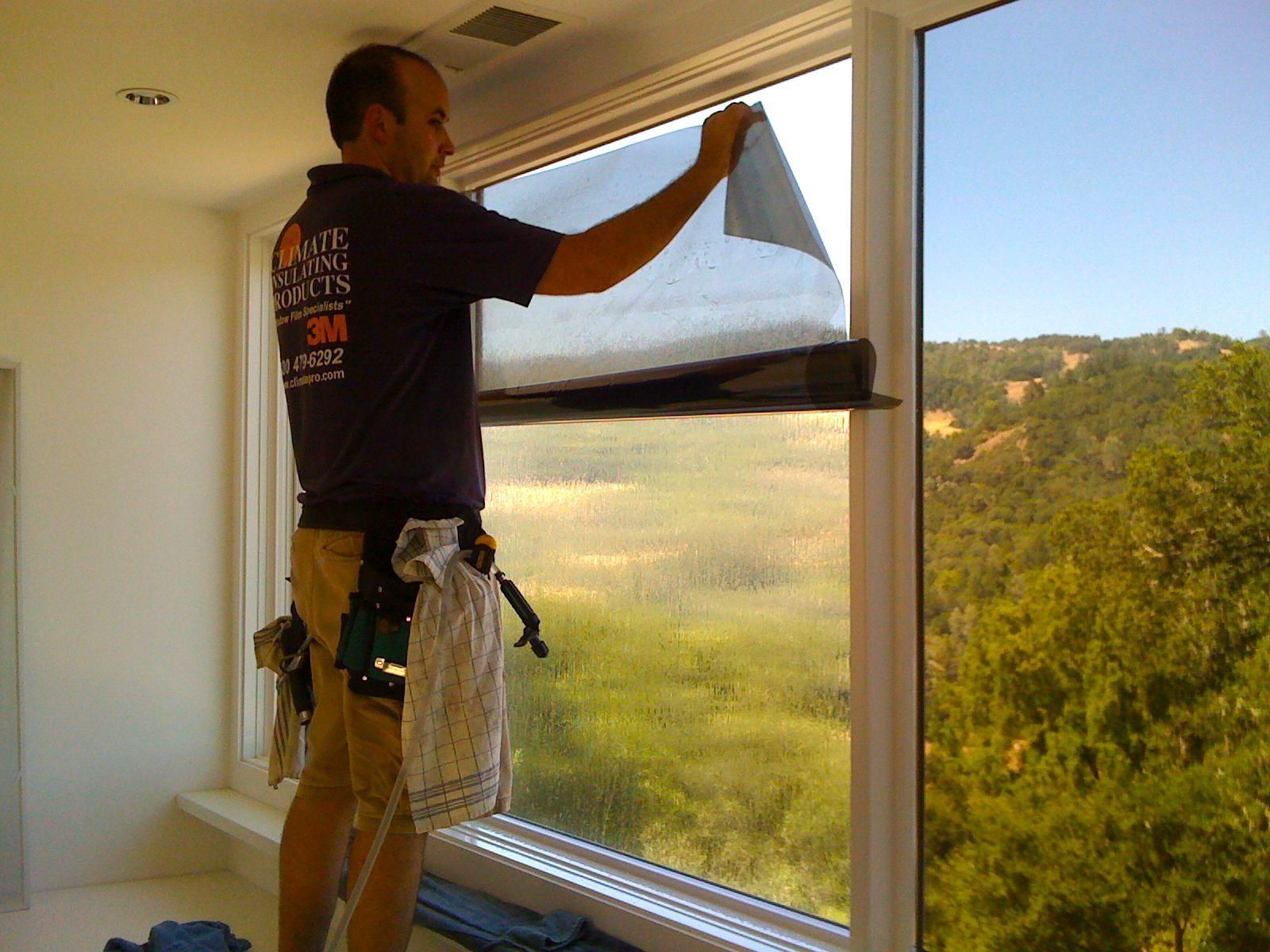
Solar control window film for the home in Florida works best when it is part of a bigger plan. When you combine it with HVAC tuning, attic and insulation checks, and smart shade choices, the whole house feels more even and easier to cool. As a local Lake County tint company, we work with LLumar and Vista films to help fine-tune comfort, protect interiors, and support better energy use in Central Florida homes.
Start with the Envelope: Windows, Doors, and Attic
The outer shell of your home is where comfort really begins. If the windows are old, the sliders are thin, or the attic is baking hot, even a strong AC system will struggle. Your room-by-room comfort audit should always start with this envelope.
Walk around the outside and inside of your home and look closely at the windows and doors. Simple checks can tell you a lot:
- Touch the glass on sun-facing windows in the afternoon
- Look for fogged glass or broken window seals
- Check for light sneaking in around door frames
- Notice any faded spots on flooring, rugs, or furniture
If the glass feels very hot to the touch or you see fading near certain windows, that is a clear sign that solar heat and UV light are pouring in. This is where solar control window film for the home in Florida can make a big difference, especially on west and south exposures.
Then, think about what is happening above your head. A poorly insulated attic can act like a giant heater sitting on top of your living space. When you pair quality window film on exposed glass with:
- Adequate attic insulation
- Well-sealed doors and weatherstripping
- Light-colored roofing or radiant barriers
you are blocking a lot of heat before it can reach the rooms you live in. Your AC does not have to fight as hard, and comfort becomes easier to maintain.
Living Areas: Tame Glare and Hot Spots Where You Gather
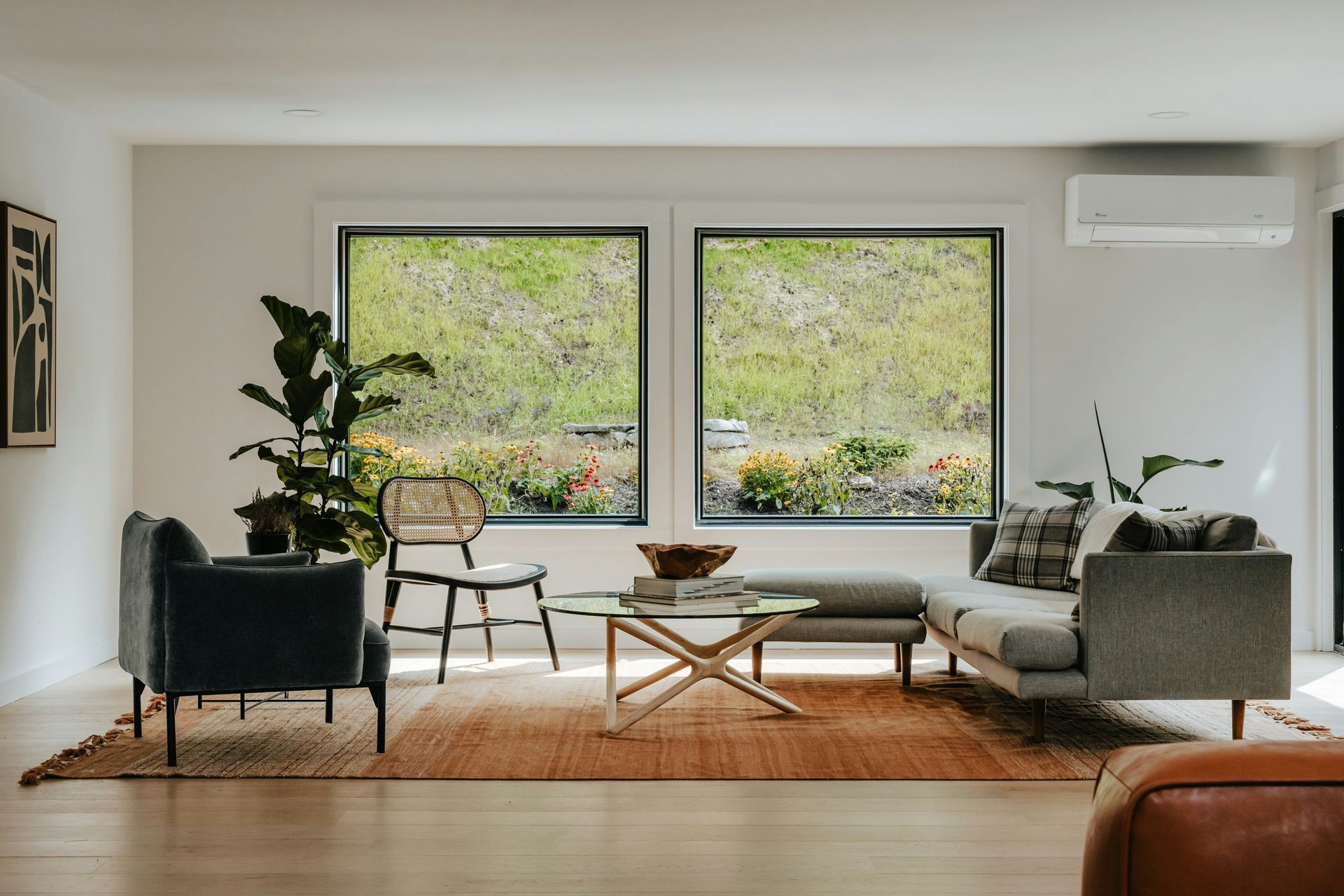
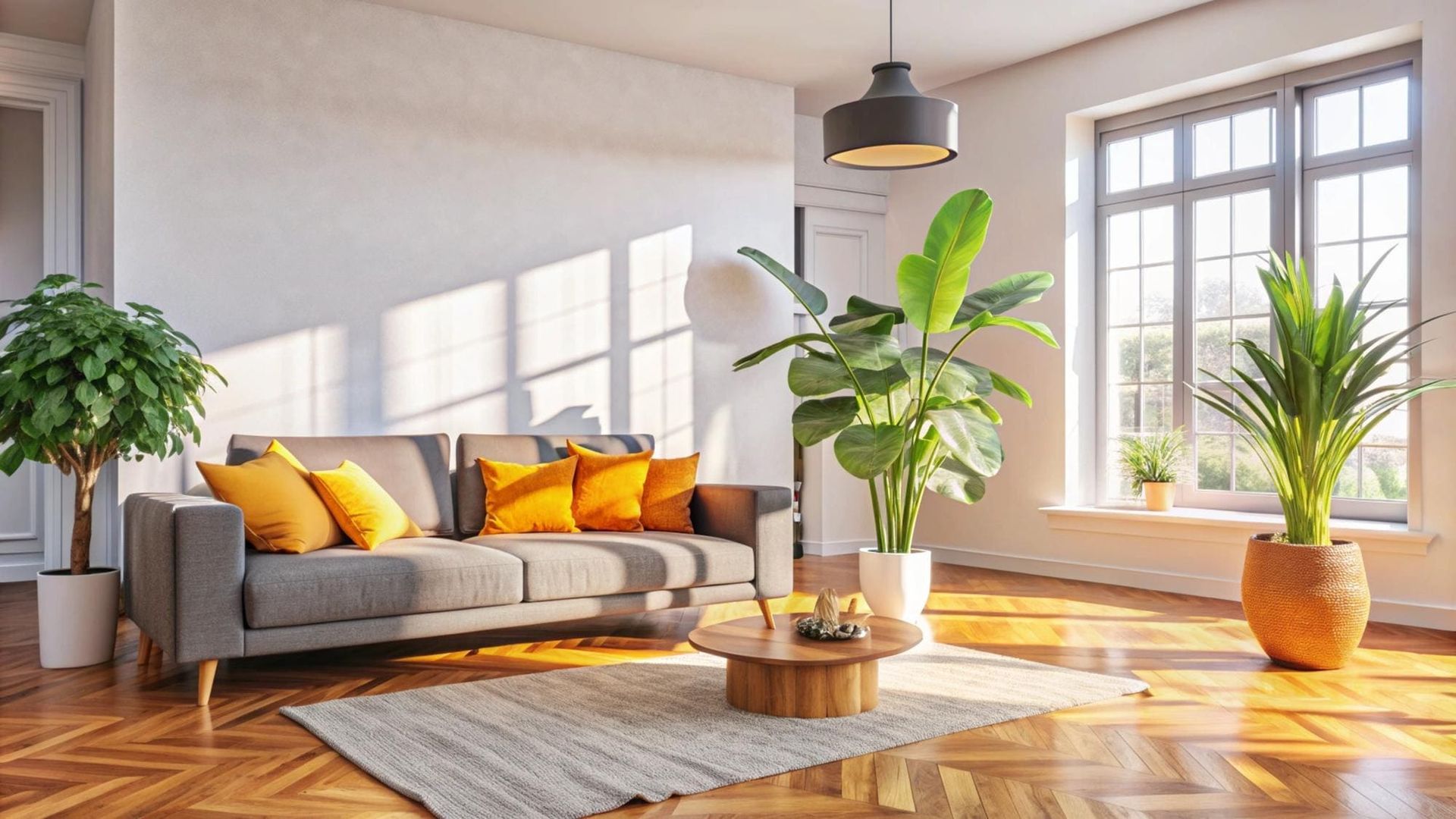
Living rooms, great rooms, and open kitchens are where families spend most of their time. They are also the spaces that often suffer from late afternoon glare on TVs and devices and that hot “zone” near big sliders or picture windows.
Spectrally selective solar films are designed to cut a large part of the sun’s heat and harsh glare while still letting in pleasant natural light. On big glass areas facing a lake, pool, or backyard, this helps you keep your view without feeling like you are sitting in an oven.
To get the most from these high-use rooms, look at a combo approach:
- Solar control window film on large, sunny windows and sliding doors
- Ceiling fans set to spin in the correct direction for cooling
- Light-filtering shades or drapes you can close during peak sun
- A thermostat schedule that cools these rooms before you use them most
When these pieces work together, you cut glare on the TV, soften bright light on countertops, and even out those hot and cool pockets across the room.
Bedrooms and Home Offices: Comfort, Sleep, and Screen Clarity
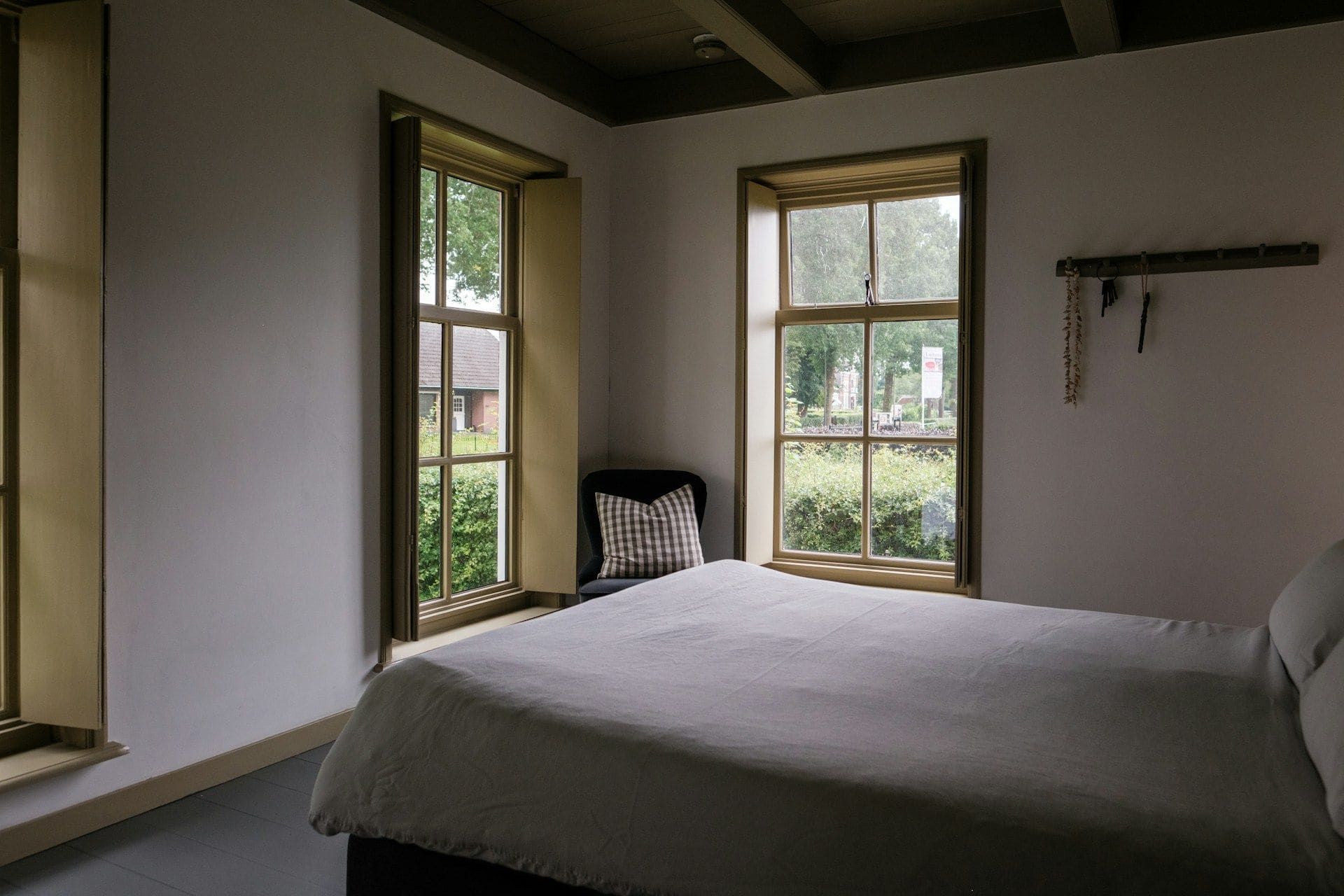
Bedrooms are where comfort really matters. Early morning sun blasting through east-facing windows can wake you too soon, and uneven temperatures at night can make it hard to rest. Over time, UV rays can also fade bedding, flooring, and furniture near those windows.
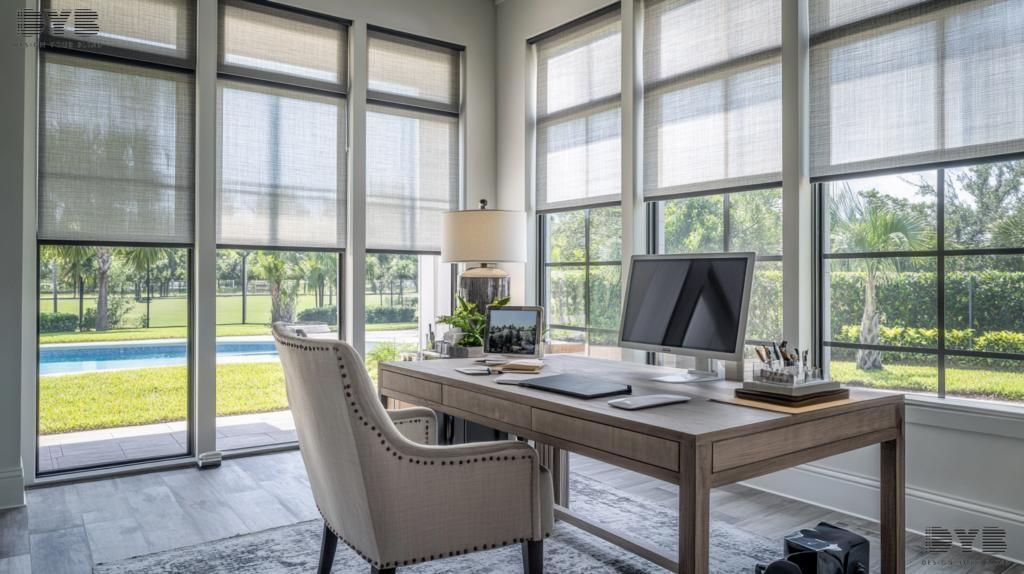
Home offices have their own issues. Many people struggle with screen glare, eye strain on video calls, and a room that feels stuffy by afternoon. In a state where the warm season stretches across much of the year, a stable, quiet workspace is important.
In both bedrooms and home offices, a layered plan works well:
- Solar control window film for the home in Florida to reduce heat and UV
- Blackout or room-darkening shades for sleep and screen control
- Well-sealed supply and return vents for steady airflow
- Zoning or smart thermostats that give priority to sleep and work hours
With this setup, bedrooms can stay cooler and darker when you want them that way, and home offices can have clearer screens and fewer temperature swings during the day.
Kitchens, Baths, and Sunrooms: Humidity and Hard-to-Cool Spaces
Kitchens and bathrooms already add heat and moisture to your home. When these rooms have sun-exposed windows or skylights, they can feel extra sticky and uncomfortable by late afternoon. Steam, cooking heat, and direct sun are not a fun mix.
Solar films on skylights, glass block, and patio doors help cut radiant heat that beats down from above or streams in from the side. Pair that with:
- Working exhaust fans vented correctly to the outside
- Dehumidifiers in problem areas
- Good airflow from your HVAC system
and you can manage both temperature and humidity, which helps reduce the risk of mildew in damp spots.
Sunrooms and Florida rooms are a special case. Many homeowners find these spaces too hot to enjoy during much of the year. A good strategy often includes:
- High-performance solar film on all sun-exposed glass
- Insulated interior shades for the most intense hours
- A dedicated mini-split or other focused HVAC solution
With the right combination, these rooms can shift from “we only use it sometimes” to comfortable spaces you enjoy far more often.
Coordinate with HVAC and Smart Controls for Maximum Payoff
When you lower solar heat gain at the windows, you ask less from your HVAC system. The AC does not have to cycle as often to chase away extra heat, which can help reduce strain on the equipment and cut back on those times when the system feels like it is running nonstop.
A good time for a full comfort reset is the transition from late summer into the next season. Many homeowners choose to pair new solar control window film with an HVAC tune-up, which can include:
- Cleaning indoor and outdoor coils
- Checking refrigerant levels
- Sealing and balancing ductwork
- Adjusting airflow to match room needs
Smart thermostats, room sensors, and ceiling fan controls can tie everything together. By letting your system respond to how different rooms actually feel, you keep temperatures closer to what you set while making better use of the comfort upgrades you have put into the windows, attic, and shading.
For homeowners in Lake County and nearby Central Florida communities, this kind of room-by-room comfort audit brings all the pieces into one clear plan. At Solar-Tec Glass Tinting, we help identify which windows and spaces will benefit most from LLumar or Vista solar film, then work with you to pair it with shading and HVAC-friendly options that fit how you live in your home.
Get Started With Your Project Today
If you are ready to cut glare, reduce heat, and protect your interiors, we are here to help you choose the best solution for your home. At
Solar-Tec Glass Tinting, our specialists can recommend the right
solar control window film for the home in Florida based on your windows, lifestyle, and budget. We will walk you through options, provide a clear quote, and handle professional installation on your schedule.
Reach out today so we can help make your home more comfortable and energy efficient all year long.