What Is the Best Window Film for West-Facing Florida Rooms?
West-facing Florida rooms often feel comfortable in the morning and then turn painfully hot by late afternoon. That happens because these rooms absorb the strongest, lowest-angle sun of the day, which increases indoor temperatures, creates glare on screens, fades floors and furniture, and forces your air conditioner to work harder. Homeowners in Eustis, Lake County, and across Central Florida often ask the same question: what is the best window film for west-facing windows in Florida? The short answer is that ceramic solar control film is often one of the smartest choices for this type of room because it can reject heat, reduce glare, and block harmful UV rays without making the glass look overly dark. Still, the right solution depends on your budget, your preferred visible light level, any HOA rules, and whether storm protection matters as much as solar control. This guide explains how to compare your options and choose the right film with confidence.
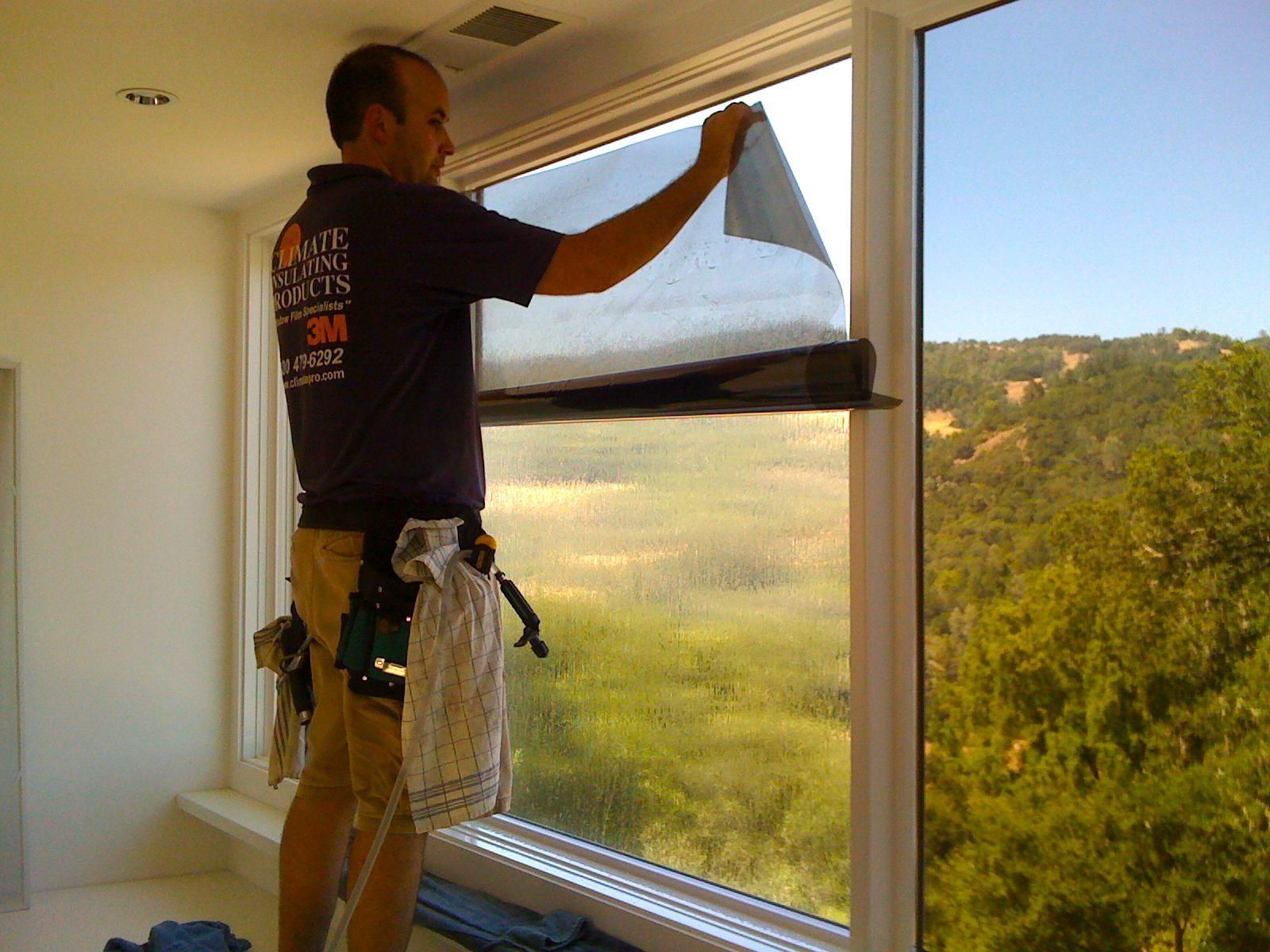
Table of Contents
- Why West-Facing Rooms in Florida Get So Hot
- How Window Film Actually Blocks Heat and UV
- Types of Window Film Available for Florida Homes
- The Best Window Film for West-Facing Rooms and Why
- Key Factors to Consider Before You Choose
- Ceramic vs Metalized vs Dyed Film Comparison
- Window Film vs Blinds, Curtains, and New Windows
- Frequently Asked Questions About Window Film for West-Facing Florida Rooms
- Final Thoughts on the Best Window Film for West-Facing Florida Rooms
Why West-Facing Rooms in Florida Get So Hot
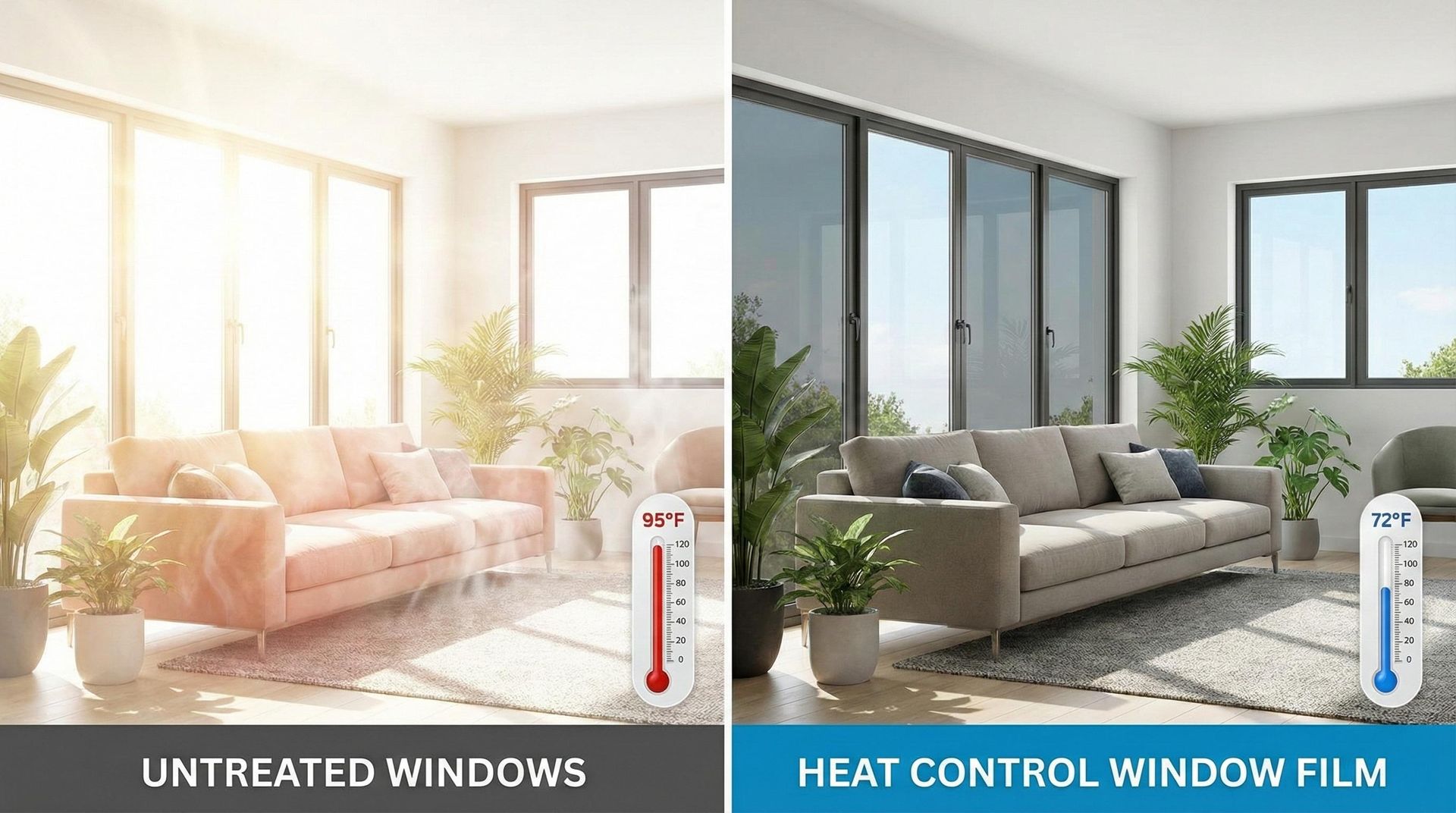
West-facing rooms get hit with the most intense sun during the hottest part of the day. In Florida, that means strong afternoon solar gain pours through the glass when outdoor temperatures are already high. The result is a room that feels brighter, hotter, and harder to cool than the rest of the house.
Afternoon sun creates concentrated heat gain
When the sun shifts west, its rays strike windows at a lower angle and can push deep into a room. That sunlight heats flooring, upholstery, walls, and hard surfaces. Even if the thermostat is set correctly, the room can still feel warmer because the surfaces and air near the glass are absorbing and holding heat.
Florida humidity makes the problem feel worse
In Central Florida, heat combines with humidity, which can make a west-facing room feel stuffy and uncomfortable. Homeowners searching for ways to reduce heat in west-facing windows usually want more than a cosmetic fix. They want a room that is usable in the late afternoon and evening without constantly lowering the thermostat.
Glare and fading are part of the same problem
Heat is not the only issue. West-facing glass can create harsh glare on televisions, laptops, and phones. At the same time, UV exposure contributes to fading in furniture, rugs, hardwood, artwork, and window treatments. That is why many homeowners in Eustis and nearby areas start researching UV protection window film Florida solutions after noticing damage around sunny rooms.
How Window Film Actually Blocks Heat and UV
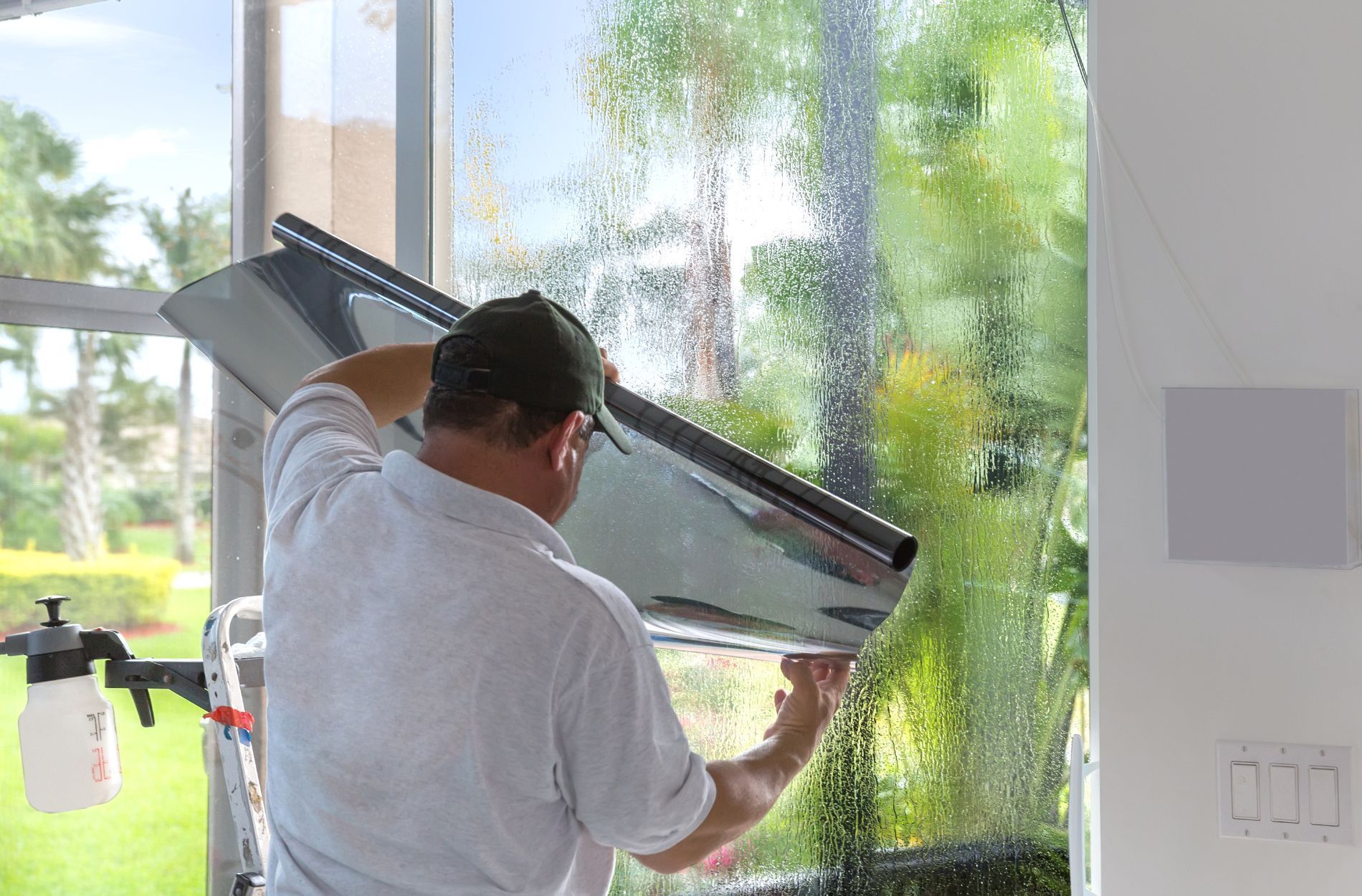
Window film works by improving the performance of existing glass. It is applied directly to the interior side of the window and is designed to reduce solar energy entering the home. Different film technologies do this in different ways, which is why not all products perform equally well.
Solar energy has multiple parts
To understand window tinting for hot rooms, it helps to know what is coming through the glass. Sunlight includes visible light, ultraviolet light, and infrared energy. UV is the main cause of fading. Infrared energy contributes heavily to heat buildup. Visible light affects brightness and glare. A high-performing film can manage all three more effectively than a basic film.
Heat rejection is not just about darkness
One of the biggest misconceptions is that darker film always blocks more heat. In reality, modern ceramic products can reject a significant amount of solar heat while maintaining better clarity and a more natural look. That matters for homeowners who want to reduce heat west-facing windows produce without making the room feel cave-like.
UV blocking protects interiors long term
Most quality residential films are designed to block a high percentage of harmful UV rays. That helps slow the fading of furniture, flooring, and décor. It does not stop all fading because visible light and heat also play a role, but it can make a meaningful difference over time. For many Florida homeowners, fade protection is just as valuable as comfort.
Types of Window Film Available for Florida Homes
If you are comparing home window tinting Lake County FL options, you will usually hear about three main categories: ceramic, metalized, and dyed film. Each has strengths, weaknesses, and best-fit scenarios.
Ceramic window film
Ceramic film is widely considered a premium residential option because it can provide excellent heat rejection, strong UV protection, and glare reduction without relying on a reflective metallic layer. It is popular for homeowners who want better comfort, long-term durability, and a cleaner appearance. Ceramic window film Eustis FL searches are often driven by people who want performance first.
Metalized window film
Metalized film uses metallic particles to reflect solar energy away from the glass. It can be effective for heat and glare control, but it may create a more reflective appearance. In some situations, metallic construction can also interfere with signals such as cell service, GPS, or remote controls, which is a key consideration for connected households.
Dyed window film
Dyed film is usually a more budget-friendly option and is often chosen for glare reduction and appearance. However, it is generally the least effective category for high heat rejection in extreme west sun. In Florida rooms that receive strong afternoon exposure, dyed film may not deliver the same comfort improvement or longevity as better-performing technologies.
The Best Window Film for West-Facing Rooms and Why
For most homeowners asking about the best window film for west facing windows Florida conditions create, ceramic solar control film is the leading choice. The reason is simple: west-facing rooms need strong heat control, low glare, high UV protection, and long-term durability. Ceramic film checks those boxes better than most alternatives.
Why ceramic film performs so well in Florida sun
Ceramic film is engineered to reduce solar heat while preserving visibility and indoor comfort. In practical terms, that means the room can feel less harsh in late afternoon, screens are easier to see, and interior finishes receive better protection. Many homeowners also prefer ceramic because it avoids the mirrored look that some reflective films create.
Why Vista ceramic film fits many homeowners
For homeowners evaluating premium products, LLumar Vista window film products are often a strong match for sun-exposed living spaces. Vista ceramic film is positioned as a high-end solution for Florida homes that need superior heat rejection, strong UV protection, reduced glare, and long-term fade protection for furniture and flooring. That makes it especially relevant for rooms that receive intense west sun throughout much of the year.
When another film type may still make sense
Ceramic is not automatically the best choice for every budget or every window. Some homeowners prioritize the lowest upfront cost, while others may prefer a more reflective look or need to work within HOA appearance rules. The best film is the one that balances performance, appearance, and budget for your specific room. Still, for most hot west-facing Florida rooms, ceramic remains the safest performance-oriented recommendation.
Key Factors to Consider Before You Choose
The right film depends on more than a product label. Before selecting a film, homeowners should weigh several practical factors so the final result solves the actual problem.
Visible light transmission and room brightness
Visible light transmission, often called VLT, affects how bright or dark the glass appears. A lower VLT usually means a darker look and greater glare control, but darker is not always necessary for better heat rejection. If you like natural light, a higher-clarity ceramic film may offer a better balance than a darker low-cost film.
HOA and exterior appearance concerns
Some communities care about how windows look from the outside. If your neighborhood has rules on reflectivity or tint appearance, that should be reviewed before installation. This is especially important in planned communities around Lake County where exterior consistency may be part of HOA guidelines.
Glass type and installation compatibility
Not every film is right for every pane of glass. The type of glass, size of the window, and whether the unit is single-pane, double-pane, or specialty glass can affect which films are appropriate. A professional recommendation helps prevent performance issues and ensures the film selected is suitable for the window.
Storm protection versus solar control
Some homeowners ask whether one film can handle both heat and storm concerns. Solar control film is designed primarily for comfort, glare reduction, and UV management. Safety and security films address glass-holding performance differently. If storm protection is a major goal, that should be discussed separately so expectations stay realistic.
Ceramic vs Metalized vs Dyed Film Comparison
If you want a quick answer, ceramic film is usually the best overall residential choice for a hot west-facing room because it balances heat rejection, clarity, UV protection, and longevity. The table below gives a simplified comparison homeowners can use when narrowing options.
| Film Type | Heat Rejection | Infrared Rejection | UV Protection | Glare Reduction | Visual Clarity | Signal Interference | Lifespan / Warranty |
|---|---|---|---|---|---|---|---|
| Ceramic | High | High | Excellent | High | Excellent | No known metallic interference | Typically strong long-term residential coverage |
| Metalized | Moderate to High | Moderate | Very Good | Moderate to High | Good | Possible with some devices or signals | Good, varies by product line |
| Dyed | Low to Moderate | Low | Good | Moderate | Fair to Good | None | Usually shorter performance life than premium films |
What this comparison means for homeowners
If the room is unbearably hot from 2 p.m. onward, dyed film usually will not be the top performer. If you want a blend of comfort and affordability, metalized film may help, but you should weigh reflectivity and possible signal concerns. If your goal is the best overall performance in a living space, ceramic is generally the category to look at first.
Why long-term value matters
Many homeowners search window film near me because they want a fast fix, but the better question is what will still perform well years from now. A lower-cost film that underperforms or ages poorly can become more expensive in the long run than a premium film installed correctly the first time.
Window Film vs Blinds, Curtains, and New Windows
Window film is not the only way to address a hot room, but it often delivers one of the best cost-to-benefit ratios. Compared with other options, film helps by stopping more solar energy at the glass before that heat spreads into the room.
| Option | Heat Control | Glare Reduction | UV Protection | View Preservation | Cost Range | Best Use Case |
|---|---|---|---|---|---|---|
| Window Film | High with premium products | High | High | Keeps view mostly intact | Moderate | Improving existing windows without replacement |
| Blinds | Moderate after sunlight enters | Good | Limited | Reduces view when closed | Low to Moderate | Basic glare and privacy control |
| Curtains or Drapes | Moderate after sunlight enters | Good | Limited to Moderate | Blocks view when closed | Low to Moderate | Softening light and adding privacy |
| New Windows | High depending on glass package | High | High | Keeps view intact | High | Major renovation or failing old windows |
How film differs from blinds and curtains
Blinds and curtains help with glare and privacy, but they typically work after sunlight has already entered through the glass. That means a portion of the heat is already inside. Film helps at the window itself, which is why it is often a more effective answer for homeowners who specifically want to reduce heat west-facing windows bring into the room.
When replacement windows make sense
New windows may be worth considering if your current windows are damaged, inefficient, or at the end of their lifespan. But if the windows are otherwise in good shape, adding film is usually far less expensive and much less disruptive. For many Central Florida households, film provides a practical middle ground between doing nothing and replacing every window.
Frequently Asked Questions About Window Film for West-Facing Florida Rooms
What is the best window film for west-facing windows in Florida?
For many homes, ceramic solar control film is the best overall choice because it offers strong heat rejection, glare reduction, and UV protection without relying on a reflective metallic layer.
Will window film actually make a room cooler?
Yes, high-quality film can reduce solar heat gain, which often makes a west-facing room more comfortable and easier to cool during sunny afternoons.
Does window film block UV rays that fade furniture?
Quality residential film is designed to block a high percentage of harmful UV rays, which helps reduce fading of floors, furniture, fabrics, and artwork.
How dark should film be for a west-facing room?
The ideal darkness depends on your glare tolerance, desired natural light, and appearance goals. Darker is not always better, especially when advanced ceramic films can perform well with higher clarity.
Does darker film always mean better heat rejection?
No. Modern film technology allows some lighter ceramic films to reject substantial heat, so darkness alone is not a reliable measure of performance.
Will tinting lower energy bills?
It can help lower cooling demand by reducing heat entering the room, though actual savings vary by home design, glass area, thermostat settings, and sun exposure.
Does film interfere with Wi-Fi, cell signal, or GPS?
Ceramic films are generally preferred when avoiding signal interference is important. Some metalized films may create interference in certain situations.
How long does residential window film last?
Longevity depends on film type, sun exposure, and installation quality. Premium residential films typically offer better long-term durability and warranty support.
Can window film help protect a home during storms?
Standard solar control film is mainly for heat, glare, and UV reduction. If storm or glass-holding performance is a priority, ask about safety or security-focused solutions separately.
Does film help with privacy, not just heat?
Yes, some films can increase daytime privacy while also reducing glare and heat. The privacy effect depends on lighting conditions and the film selected.
Can film be installed on any type of glass?
Not always. Glass type and window construction matter, so the film should be chosen based on compatibility with the specific window.
Will film change how the home looks from outside?
It can, depending on the shade and reflectivity. Many homeowners choose films that improve comfort while keeping the appearance natural and HOA-friendly.
How long does installation take?
Many residential projects can be completed in a day, but timing depends on the number of windows, access, and project complexity.
Is professional installation necessary versus DIY kits?
Professional installation is strongly recommended for residential glass because product selection, glass compatibility, finish quality, and warranty protection all matter.
How do I know which film is right for my room?
The best way is to compare your room orientation, heat load, glare level, glass type, appearance preferences, and budget with a professional recommendation tailored to your home.
Final Thoughts on the Best Window Film for West-Facing Florida Rooms
If your Florida room becomes hot, glaring, and uncomfortable every afternoon, the issue is usually not the room itself. It is the west-facing sun pouring through the glass. For most homeowners in Eustis, Lake County, and surrounding Central Florida communities, ceramic window film is the top-performing solution because it delivers excellent heat rejection, strong UV protection, glare control, and long-term value without sacrificing a clean residential appearance. While metalized and dyed films may fit certain budgets or preferences, premium ceramic options are typically the best answer for year-round comfort and better energy efficiency. If you want a practical way to improve a sun-exposed room without replacing your windows, contact Solar-Tec Glass Tinting for a free estimate and ask about LLumar Vista window film products for your home.