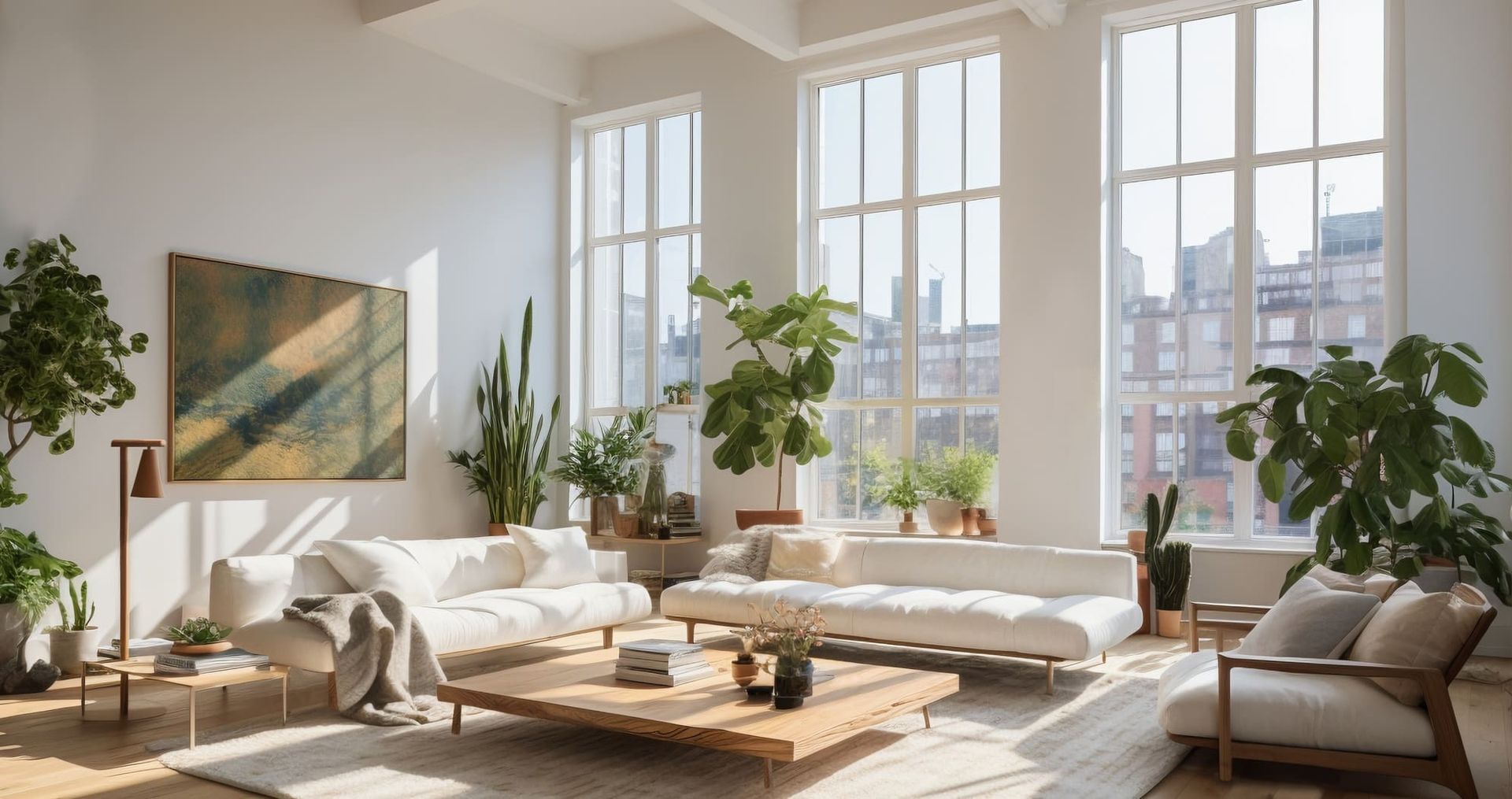
UV Protection for Florida Furnishings: Prevent Fading (What UV Film Can’t Do)
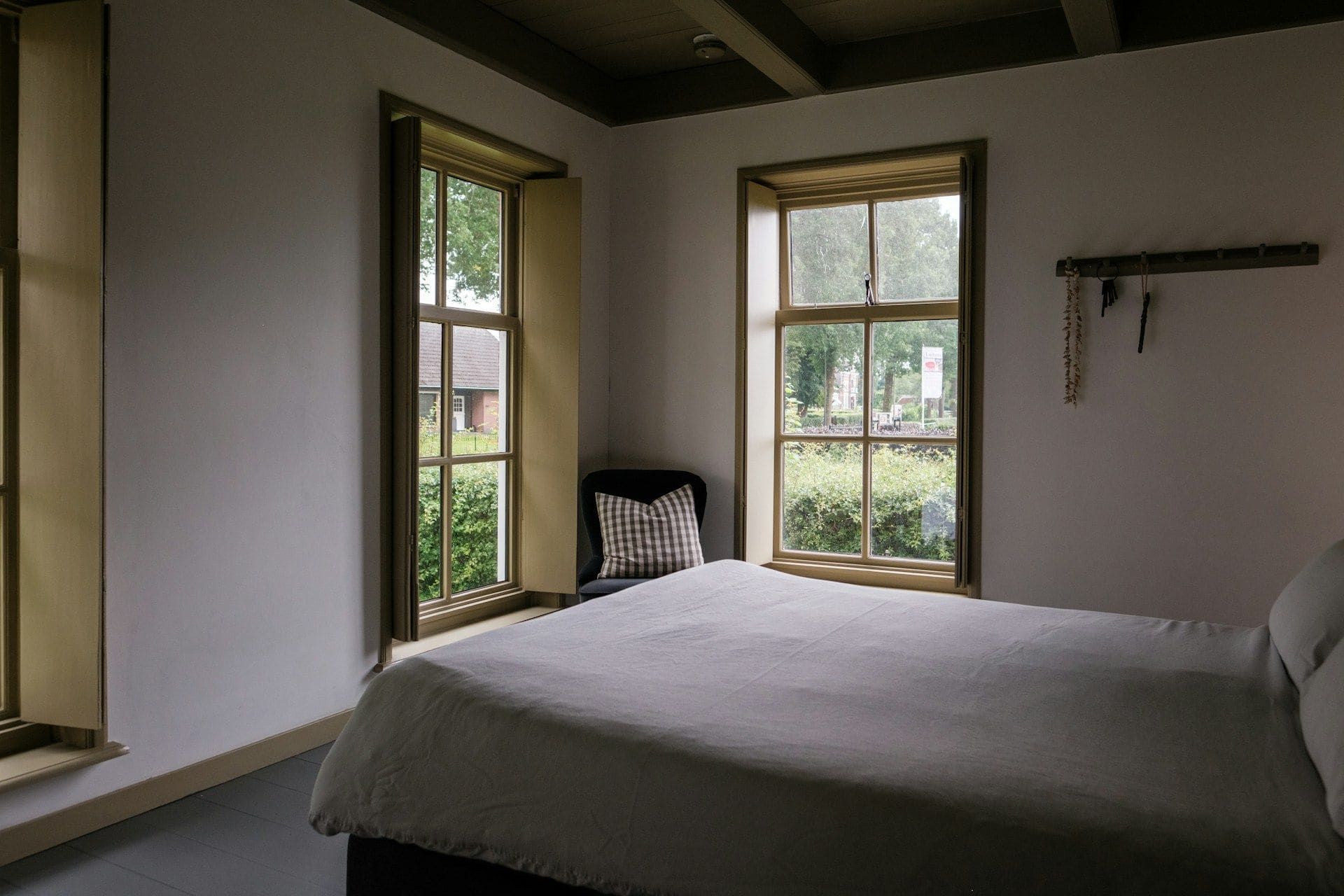
Protect Your Florida Interiors From Silent Sun Damage
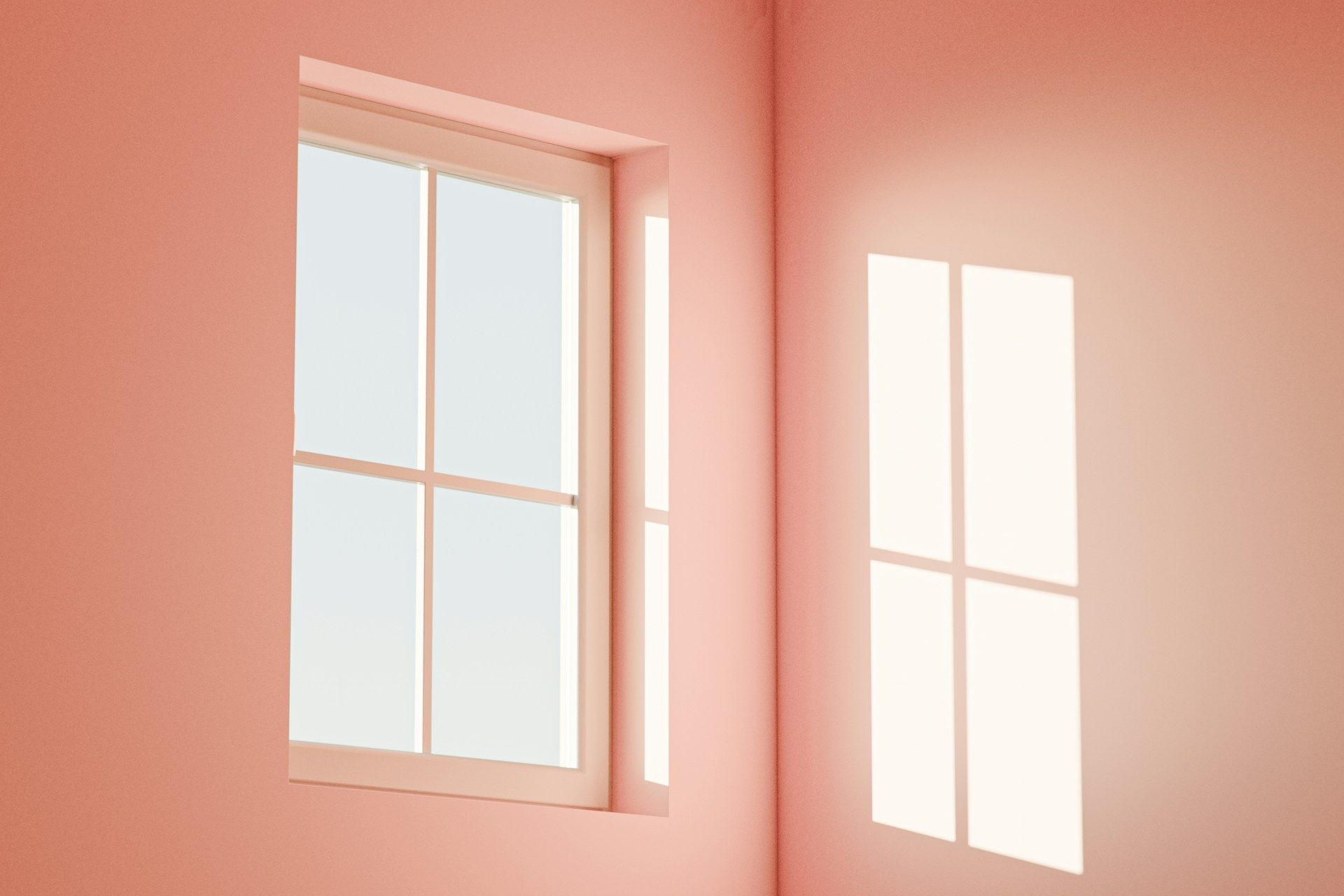
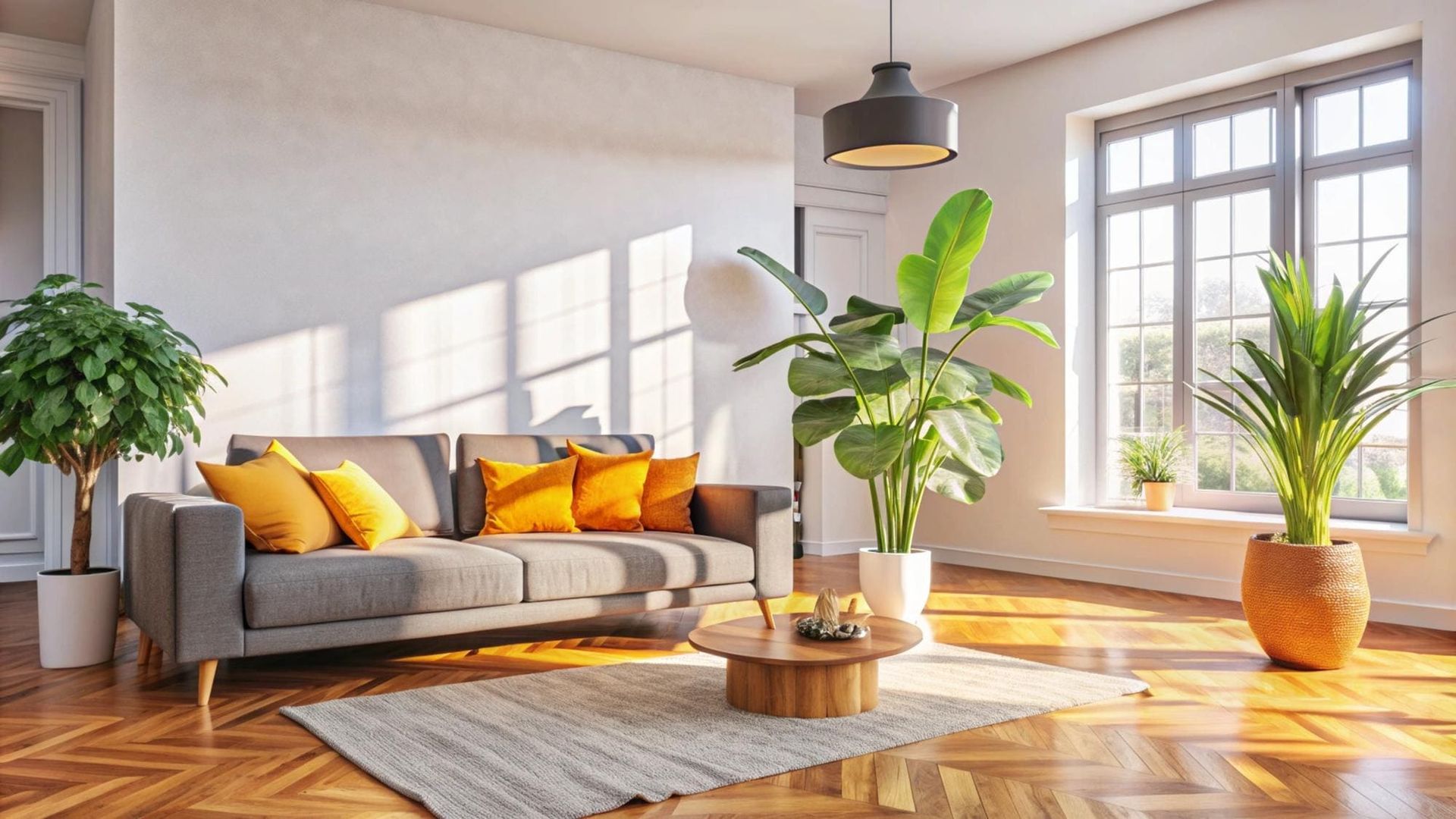
Strong Florida sun is great by the pool, but not so great for your floors and furniture. Day after day, light pours in through your windows and slowly eats away at your home’s colors and finishes, even when the room feels comfortable and cool.
In Central Florida, we also deal with extra reflection from pools, patios, light-colored pavers, and nearby water. That bounce of light adds up. Over time, hardwood turns pale, rugs look washed out, and favorite artwork starts to lose its pop. In this article, we explain how fading works, what UV-blocking window film for homes in Florida can and cannot do, and how to protect your investment in your décor without living in the dark.
How Sunlight Actually Fades Floors, Fabrics, and Art
Fading is not random. It is the result of light and heat slowly breaking down color and materials. Three main parts of sunlight work together:
- UV radiation, both UVA and UVB
- Visible light, what our eyes see as brightness
- Infrared heat, the part that makes a room feel hot
UV rays are a big reason colors change. They break chemical bonds in dyes, inks, and finishes. That is why you often see:
- Bleached hardwood planks near sliding glass doors
- Rug outlines where furniture once sat
- Framed photos that look dull on the side facing the window
- Leather sofas that feel dry and look brittle on the sunny armrests
Visible light also plays a role. Even when film or glass blocks some UV, strong brightness can still cause slow fading, especially on delicate fabrics and dark or bold colors. Infrared heat dries out wood, leather, and some plastics. As they dry out again and again, they can crack or lose their original look.
One common myth is that fading is only a summer problem or only in rooms that feel hot. In Florida, sun exposure is steady all year. Even a north-facing room or a space that stays cool from AC can still get enough light to fade floors, rugs, and art over time, especially when there is glare bouncing in from nearby water or hard surfaces.
What Premium UV Window Film Can Actually Prevent
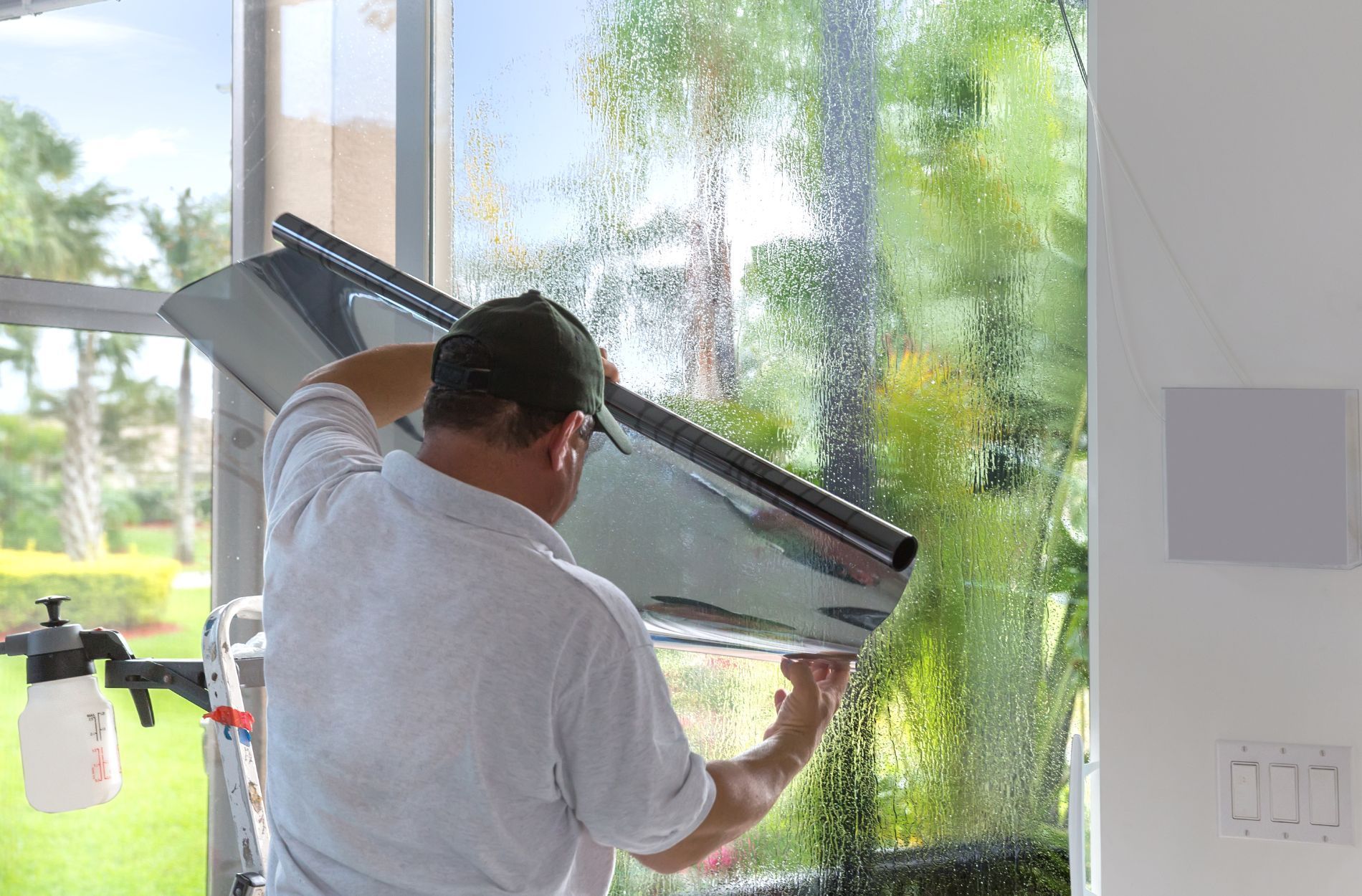
This is where quality UV-blocking window film for homes in Florida comes in. Films like the residential lines from VISTA and LLumar are designed to block almost all UV rays that come through the glass. That means the strongest part of the fading mix is cut way down before it reaches your furnishings.
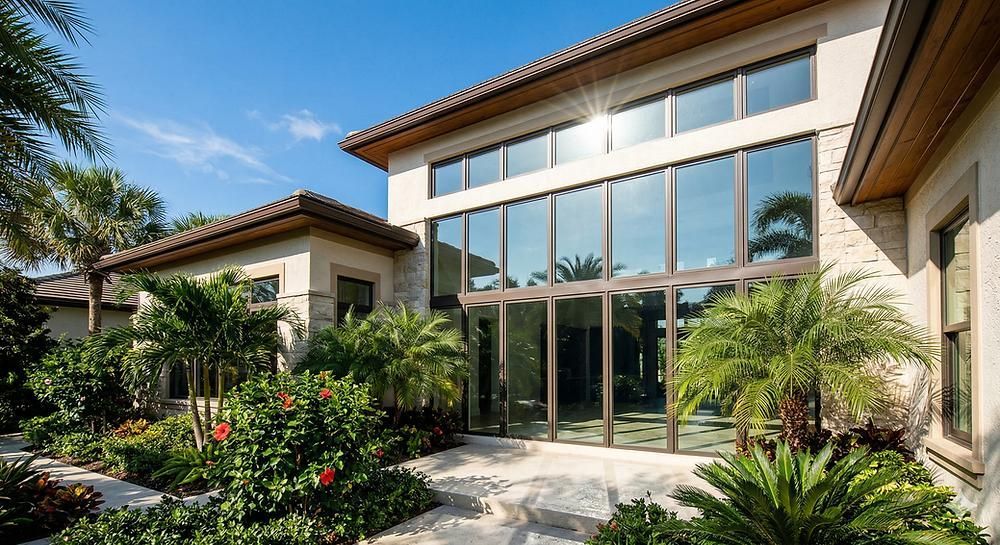
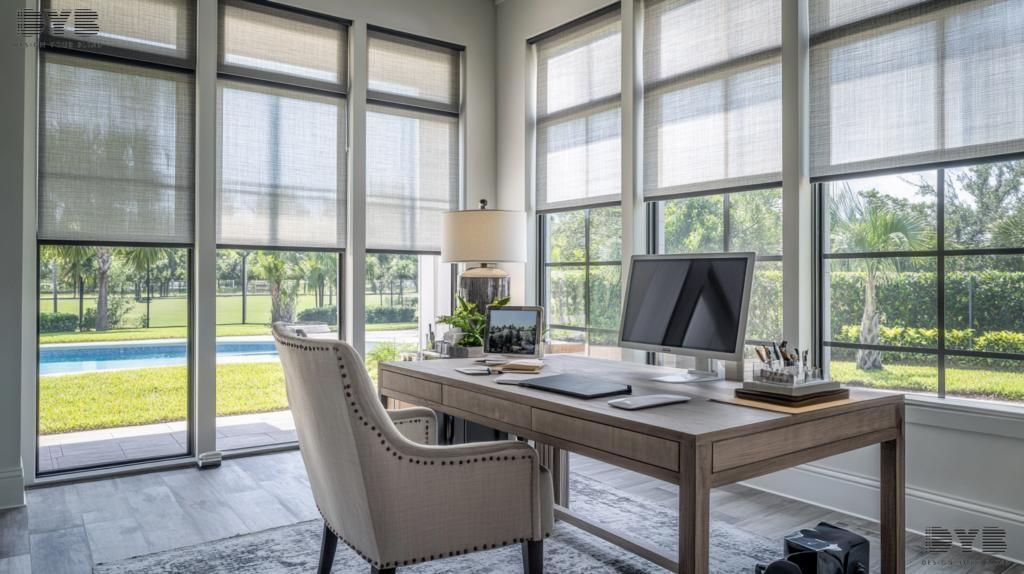
The goal is not to turn your home into a cave. Modern films can be very clear, so your windows do not have to look dark or heavy. With the right film, you can:
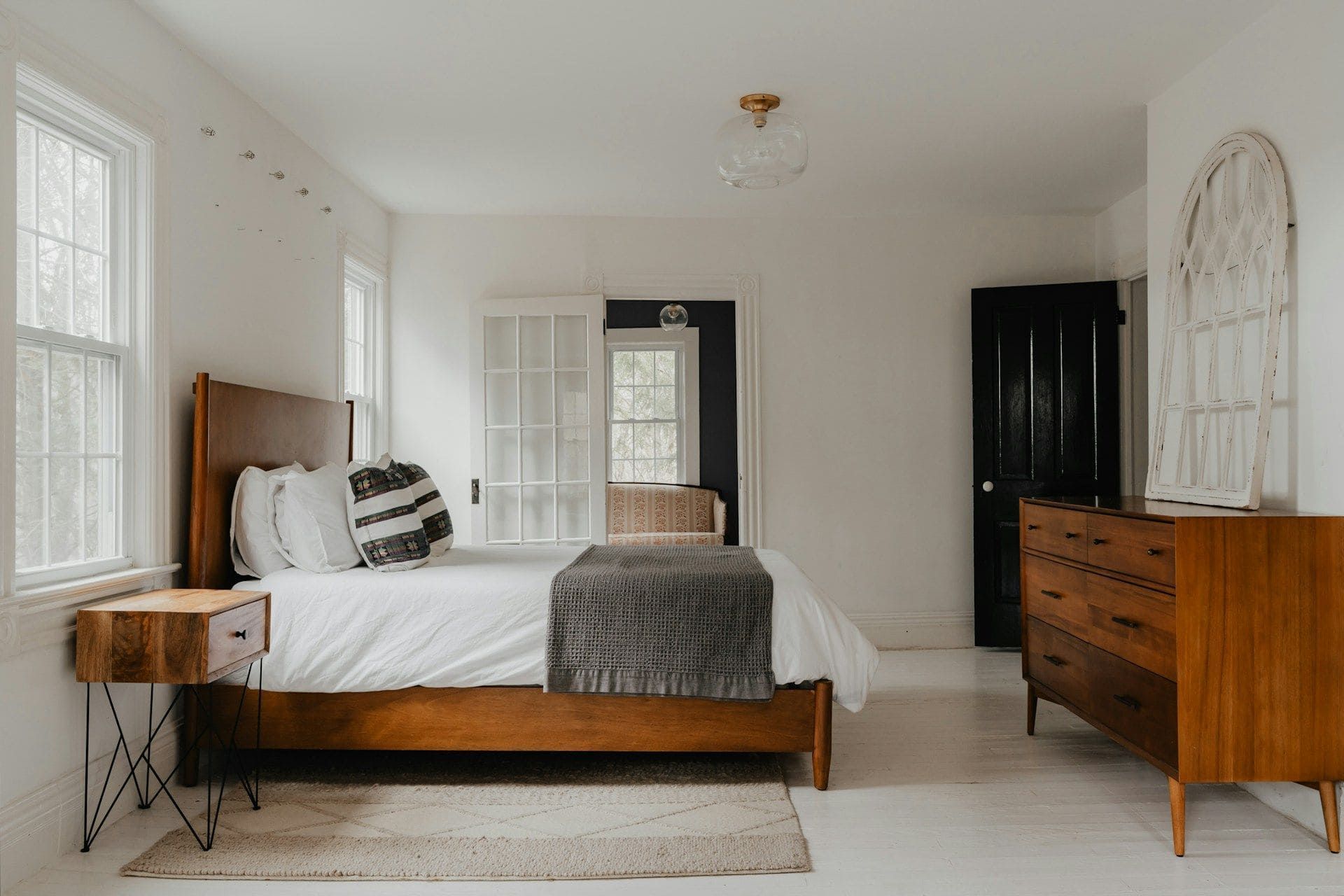
- Slow fading of hardwoods and luxury vinyl planks so stains and finishes hold their color longer
- Keep fabric sofas, chairs, drapes, and rugs richer and more even in tone
- Help protect framed artwork, family photos, and collectibles from rapid color shift
- Reduce glare on TVs and screens so rooms feel more comfortable to use
There is also a comfort bonus. Many UV-blocking films also cut a meaningful amount of solar heat and harsh glare. That can help:
- Keep rooms cooler and more consistent from one side of the house to the other
- Lower strain on your AC during long, sunny afternoons
- Make bright spaces like sunrooms, kitchens, and family rooms easier to enjoy
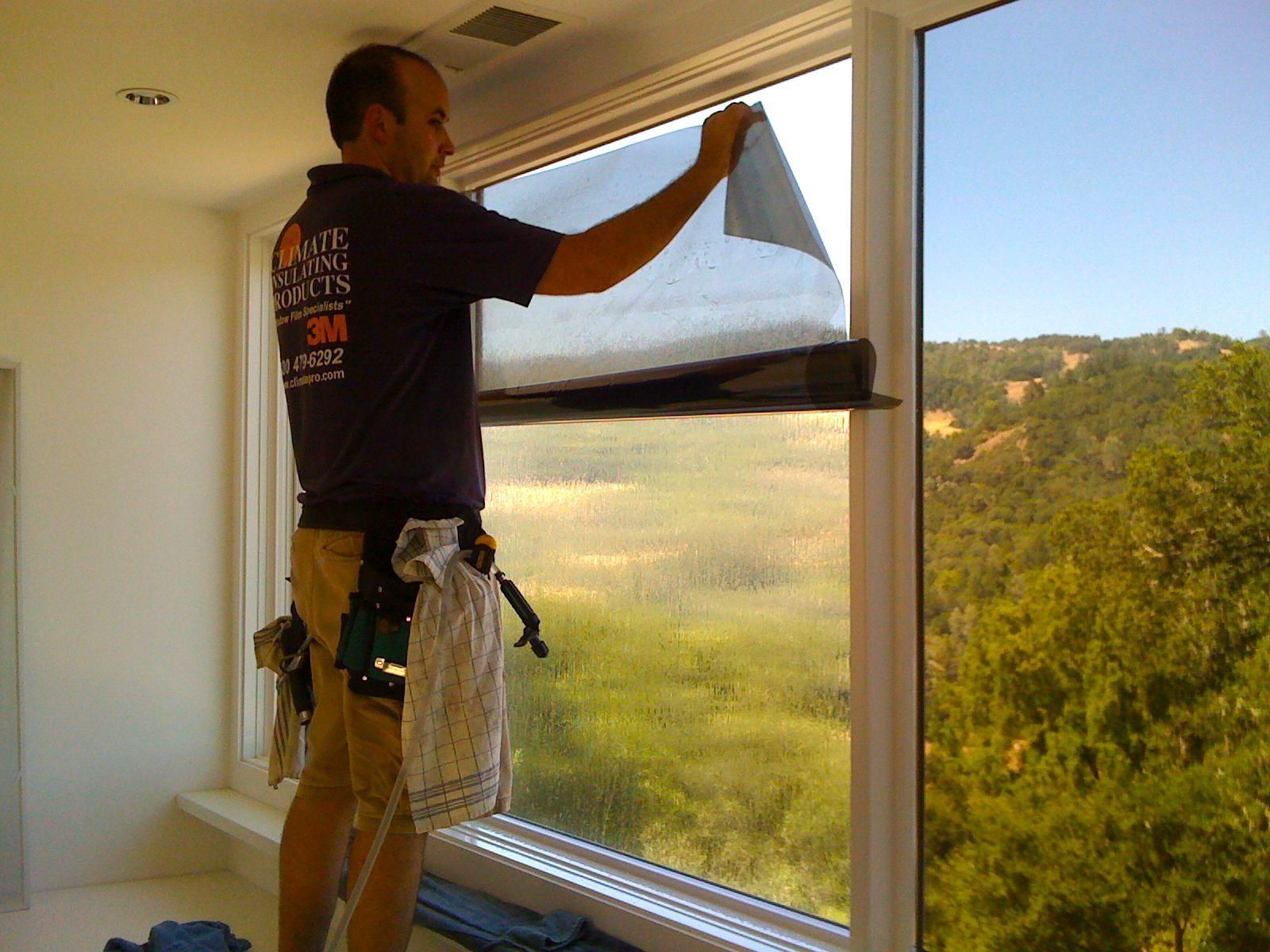
A professional installer who works in Florida homes every day can walk through each room, look at your glass type, sun exposure, and décor, and then suggest films that balance clarity, privacy, and performance so your home still feels open and bright.
What UV Film Cannot Stop and Other Fading Risks
It is important to be honest about what window film cannot do. No film can promise a completely fade-proof home. Here is why.
Even when UV is cut down, visible light still comes through the glass. That light is gentler than UV, but over years it can still cause some fading, especially on:
- Delicate fabrics like silk
- Strong reds, blues, and blacks
- Very old or sensitive art and photos
Heat is another part of the puzzle. If a room still gets warm from sun or from indoor sources, materials will continue to dry and age. Indoor lighting matters too. Some halogen and certain LED lights create UV and heat that can fade objects placed right under them.
So what does that mean for your home? With top-tier UV protection, your floors, fabrics, and art will still age, but usually at a slower and more manageable pace. Colors hold up better, and the difference between sun-exposed areas and shaded areas is less dramatic.
To get the best protection, window film works well alongside a few simple habits:
- Use shades or drapes during the brightest afternoon hours in rooms that get blasted with sun
- Rotate rugs and move décor pieces a few times a year so the same spots are not always in direct light
- Choose more fade-resistant fabrics when possible for spaces near large windows
- Frame special artwork or photos with glass or acrylic that includes UV protection
Choosing the Right Film for Your Florida Home’s Style
Not every home needs the same type of film. Different rooms and views call for different looks and performance levels.
Some popular options include:
- Nearly invisible ceramic or spectrally selective films that offer strong UV and heat control while keeping windows clear
- Lightly tinted films that take the harsh edge off glare and add daytime privacy in bright or street-facing rooms
- Specialty films for large sliders, high windows, and sunrooms that deal with intense direct and reflected light
Homeowners often ask a few common questions.
Will it make my windows dark or mirror-like?
Modern films come in many shades. Some are very subtle and look almost like plain glass. Others add a soft tint. Reflective options exist, but they are not the only choice, so we can match your taste and any neighborhood rules.
Will it hurt my indoor plants or electronics?
Most healthy houseplants adjust well to filtered light. Many even prefer it, because they still get brightness without the harshest rays. Residential films are not designed to block Wi-Fi or cell signals, so your devices should work as usual.
What about my window warranty and longevity of the film?
Quality films are made to hold up in Florida’s strong sun and humidity for many years when installed by a professional. A local installer who works in Lake County homes can review any window warranty questions with you and suggest film options that fit your glass type and long-term plans.
Take Control of Fading Before Next Summer’s Sun
Florida light is not going to get weaker, and your floors, furniture, and artwork are not getting any newer. The sooner you cut down UV and manage heat and glare, the better chance you have to protect what you already own and love.
Installing UV-blocking window film for homes in Florida before another long stretch of bright days gives your interior a fresh start. With a one-time professional installation from a team like Solar-Tec Glass Tinting in Eustis, you can help preserve your décor, enjoy better comfort and privacy, and still keep the natural views that make living here so special.
Get Started With Your Project Today
Protect your home from harsh Florida sun while improving comfort and clarity with our professional window film installation. At
Solar-Tec Glass Tinting, we help you choose the right
UV-blocking window film for homes in Florida so you get reliable protection without sacrificing your view.
Reach out to our team to discuss your goals, get a transparent quote, and
schedule a convenient installation time. We are ready to help you enjoy a cooler, more energy-efficient home.