Florida Window Heat Map: Find Hot Spots and Match Film Specs (SHGC/VLT)
Turn Florida’s Brutal Sun Into a Smart Home Upgrade
The Florida sun is no joke. By mid-afternoon, some rooms feel off limits, the AC never seems to catch up, and favorite chairs near the window turn into sweat zones. On top of that, floors, sofas, and artwork can start to fade long before they should.
One smart way to fight back is to stop guessing which windows are the problem and map the heat instead. A simple “window heat map” shows where the sun is doing the most damage, so you can fix those spots first. With a basic IR thermometer or a thermal camera, you can see which windows are acting like space heaters and which ones are not so bad.
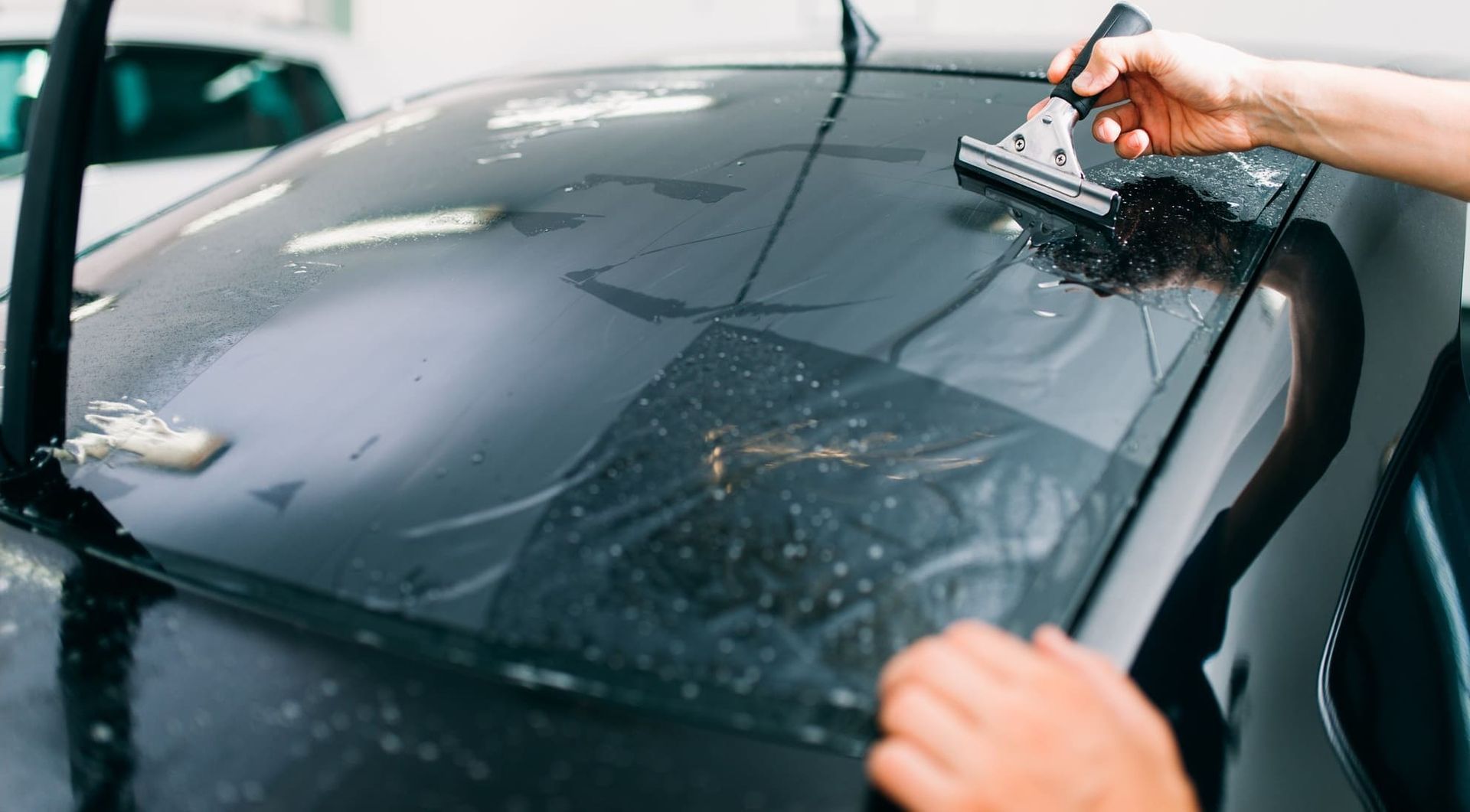
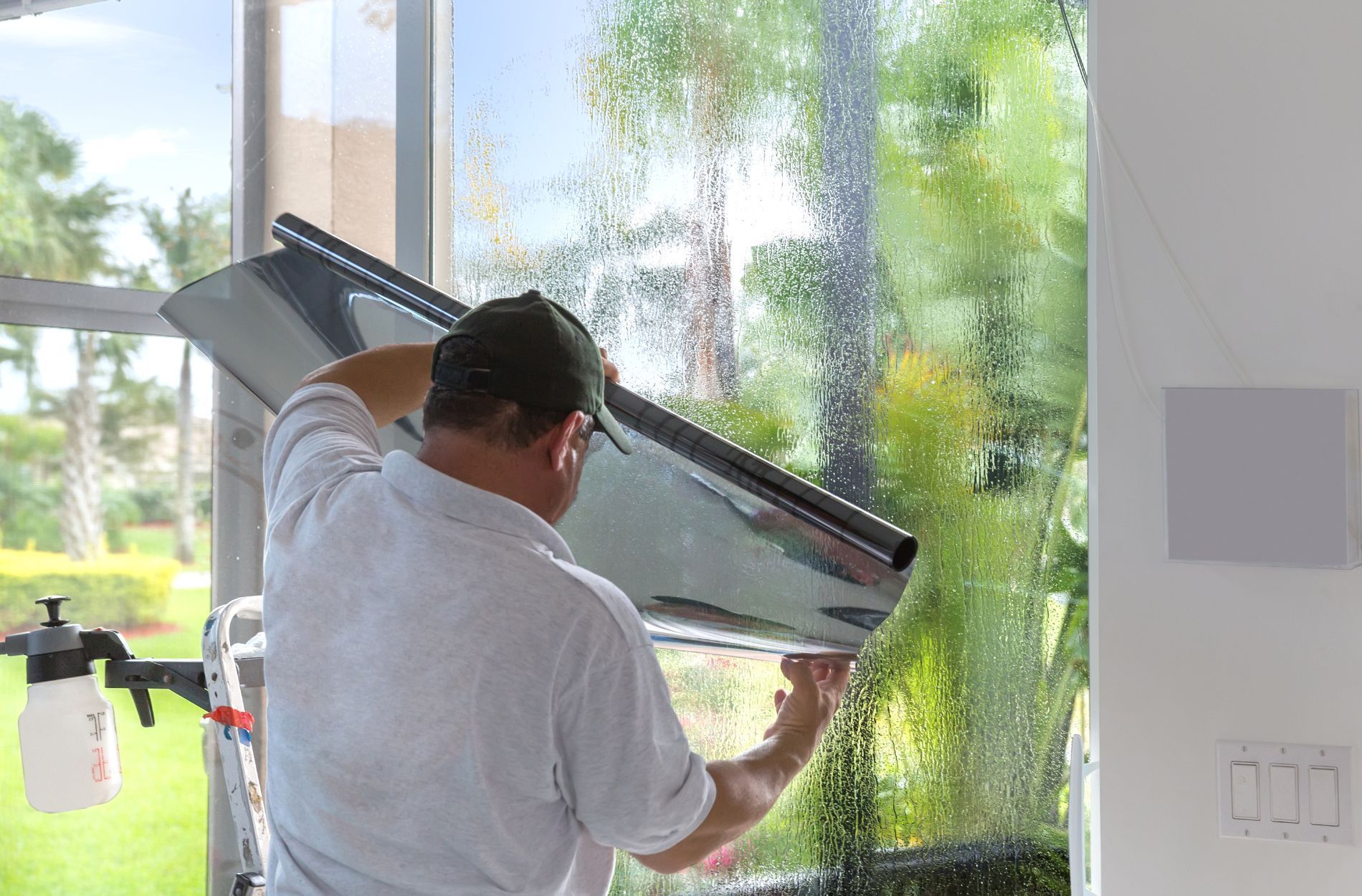
Once you have that info, matching each hotspot with the right window film specs, especially SHGC and VLT, can change how your home feels. With a targeted plan, window film to reduce heat in a Florida home can keep rooms cooler, protect your interiors, and take some pressure off your AC.
Why Some Florida Windows Feel Like Space Heaters
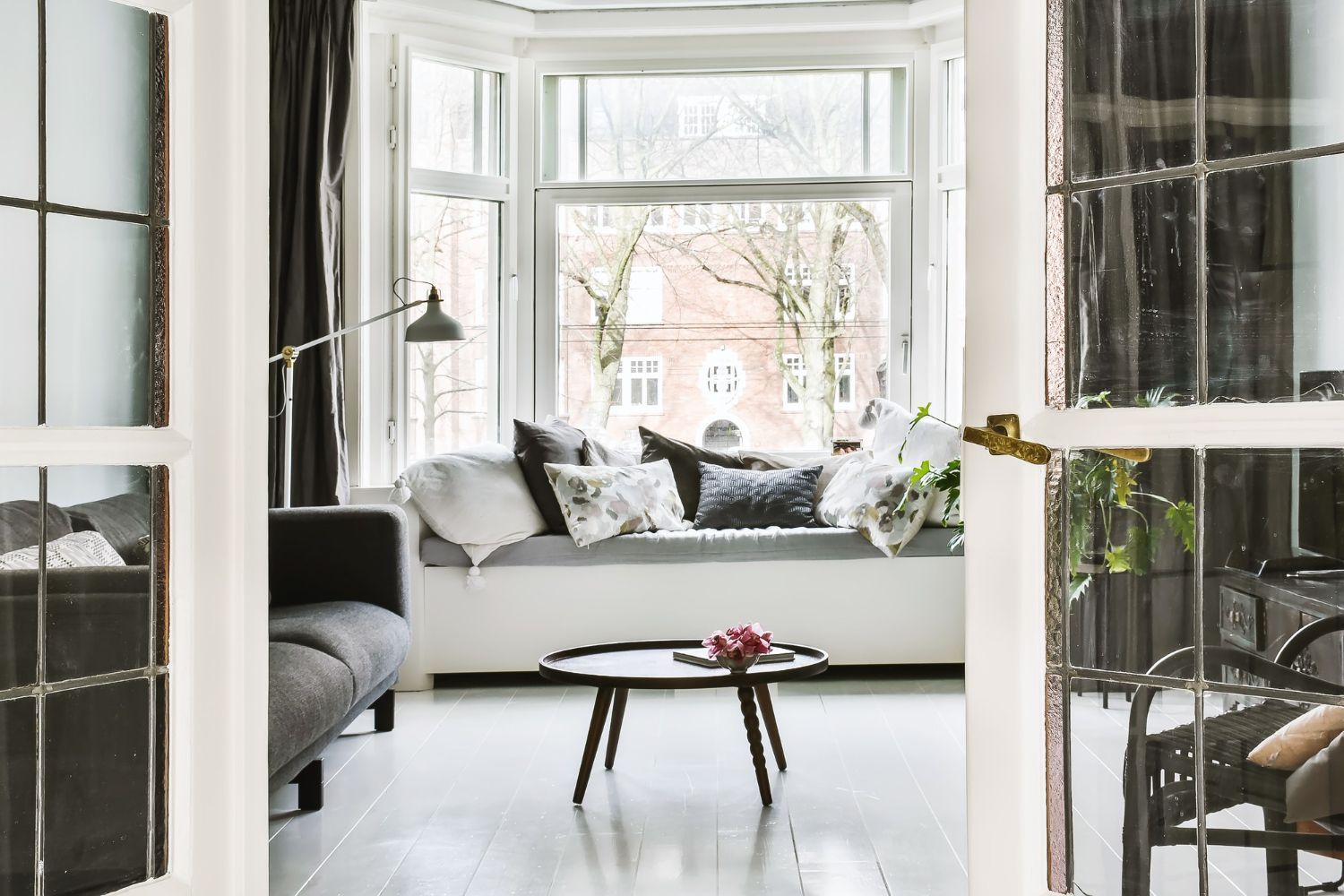
Florida gets plenty of sun from all angles. The way that sun hits your windows changes all day long. Early in the day, east-facing glass warms up fast. Midday, south-facing glass takes a strong hit. Late afternoon and early evening, west-facing windows can turn living rooms and bonus rooms into ovens.
Here is what is really coming through your glass:
- Visible light, what your eyes see as brightness
- Infrared heat, the part that makes the room feel hot
- UV rays, the part that fades fabrics, floors, and artwork
Blinds and curtains help a little, but they mainly block visible light and glare. Heat and UV can still push through, warm up the room, and fade anything in the sun’s path. So a room can feel dark and still be hot.
You might notice:
- Hot streaks across the floor or that one rug that always feels warm
- A big temperature difference between the center of the room and right by the window
- AC running longer during late afternoon when west-facing glass is lit up
- Fading spots on wood floors, photos, and fabrics where the sun hits hardest
This is where two key terms matter. Solar heat gain coefficient, or SHGC, is a number that tells you how much solar heat gets through the glass and film. Visible light transmission, or VLT, shows how much light comes through and how bright the room feels. These numbers are the bridge between the heat you feel and the film you choose.
DIY Window Heat Map Using an IR Thermometer or Thermal Camera
You do not need fancy gear to start a basic window heat map. Most homeowners are fine with:
- A low-cost IR thermometer with a laser pointer
- A plug-in or smartphone thermal camera attachment
- A notebook or simple spreadsheet for notes
A handheld IR thermometer lets you point and read surface temperatures on glass, walls, and floors. A thermal camera goes a step further and shows heat as colors, so you can see hot zones in a single glance.
For a late-summer testing plan in Florida, pick a clear, hot day and check in time blocks:
- 9 to 11 a.m. for east-facing windows
- 1 to 4 p.m. for south-facing glass
- 4 to 7 p.m. for west-facing sliders and big windows
For each window or slider:
- Stand inside, point the IR thermometer at the center of the glass, and record the surface temperature.
- Measure a nearby interior wall that is not in direct sun as your “room baseline.”
- Check the floor right where the sun hits, especially on tile, wood, or vinyl.
- Take quick photos of each window, plus a photo of your reading or thermal image.
Give each opening a simple comfort score based on what you see and feel:
- Mild: Only a few degrees warmer than the room baseline
- Moderate: Clearly warmer, noticeable but not painful
- Severe: Feels hot to the touch, clear glare, room is hard to use
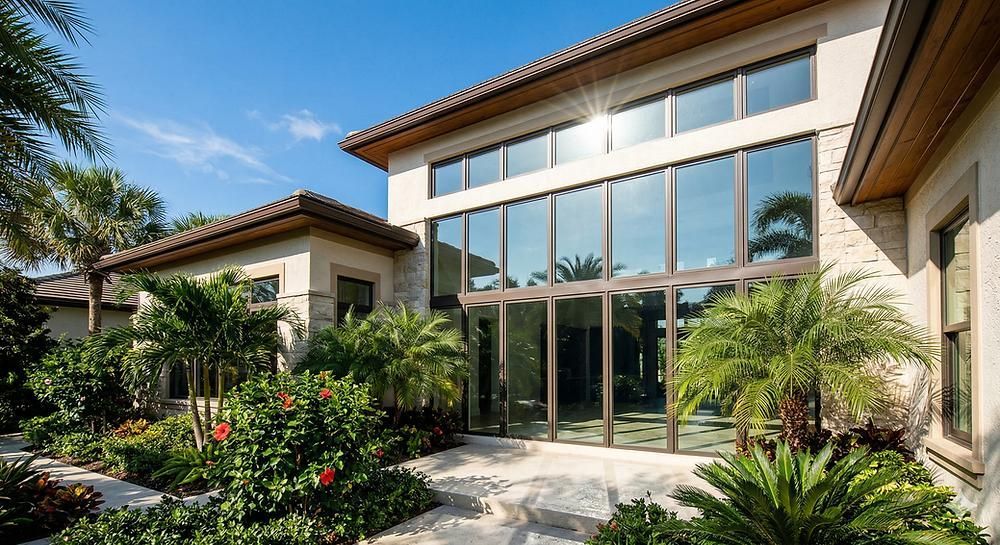
Patterns will jump out fast. Large sliders and tall windows that face east or west usually spike the most. Shaded glass and north-facing windows tend to stay closer to the baseline. Those temperature jumps help you decide which glass needs attention first when choosing window film to reduce heat in a Florida home.
Matching Your Hotspots to the Right Film Specs
Once you have your notes, rank each window or group of windows:
- Critical hotspots: Big temperature spikes, strong glare, and rooms you use a lot
- Medium: Warm but not terrible, still annoying during peak sun
- Low priority: Barely warmer than the room, no major complaints
Now connect that list to SHGC and VLT. In simple terms, lower SHGC means less solar heat gets inside. Your hottest, most uncomfortable windows usually need films with a lower SHGC for stronger heat rejection. Places that are only mildly warm may do well with a more balanced SHGC that cuts heat but feels bright and open.
VLT is the “how bright does this room feel” number:
- Lower VLT films look darker and are good where you want strong glare and heat control
- Higher VLT films look lighter and are great where daylight matters more
Examples:
- Bedrooms and west-facing living rooms: Often work best with lower SHGC and lower VLT to block heat and TV glare.
- Kitchens, home offices, and rooms with great views: Often benefit from lower SHGC but a higher VLT so the room stays bright while heat is reduced.
With professional-grade films, you can treat each side of the home differently. You do not have to pick one film for every window. Matching SHGC and VLT to your heat map lets each room get what it needs instead of guessing.
Real-World Florida Room Scenarios and Film Choices
Many Florida homes share a few problem zones. Your heat map will probably highlight some of these.
1. West-facing living room or bonus room over a garage
Typical findings:
- Afternoon glass temps much higher than other windows
- Floors and furniture hot to the touch near the sliders
- TV glare and a room that feels stuffy by early evening
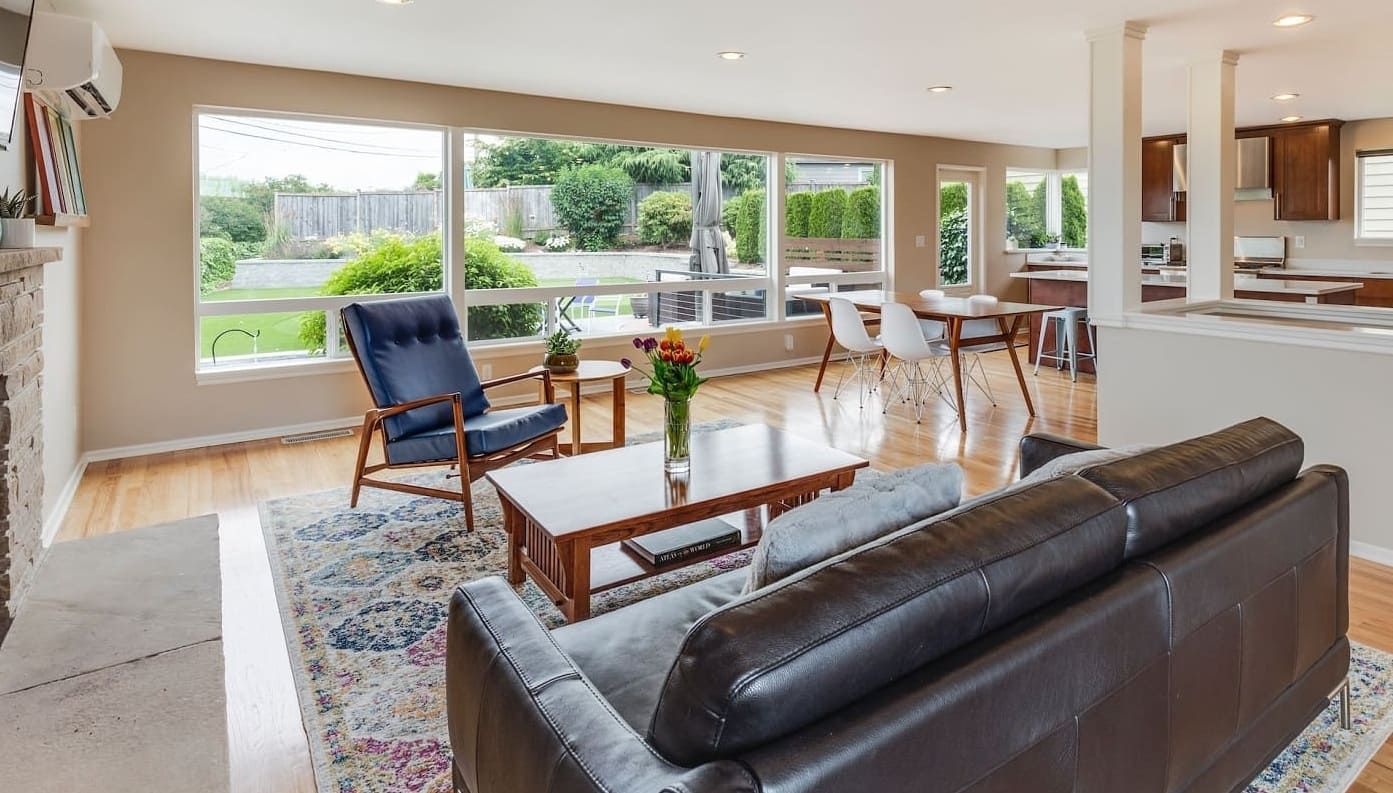
Here, a film with a lower SHGC and a moderately low VLT can cool the space and cut harsh glare. A dual-reflective style often works well for strong daytime privacy and comfort while still looking neat from the outside.
2. South-facing kitchen or dining area with big sliders
Typical findings:
- Midday heat making cooking and meals uncomfortable
- Bright light that is nice, but with too much warmth on floors and tabletops
A film with low to moderate SHGC and medium VLT can keep the space bright enough for cooking and eating but much cooler. A neutral or spectrally selective style can reduce heat and UV while keeping the glass more natural looking.
3. Glass-heavy sunroom or lanai
Typical findings:
- Multiple windows all running hot for long parts of the day
- People only use the space early-morning or late-evening
These areas usually need strong heat and UV control. Lower SHGC across most of the glass is helpful, and VLT can be chosen based on how shaded the room already is. Many homeowners prefer lighter films here, so the room stays open and airy while still cutting that heavy heat.
Florida homes may also have neighborhood rules about how reflective windows can look. Quality residential films are available in softer, neutral tones that meet common style rules while still fighting heat and UV. For coastal locations or humid climates, it is also important to use films suited for that environment and installed by experienced pros so they hold up over time.
Turn Your Heat Map Into a Cooler, More Efficient Home
Once your DIY heat map is done, you have real data about how your windows behave. You know which rooms feel the worst, which glass runs the hottest, and what times of day give you the most trouble. That information is a roadmap for smarter upgrades instead of trial and error with random shades or films.
When you share your readings, photos, and comfort notes with a professional window film team like Solar-Tec Glass Tinting in Eustis, you give them a clear starting point. They can match film options to each hotspot’s SHGC and VLT needs, so your hottest rooms get the strongest help and your favorite bright spaces stay welcoming. Over time, that means more usable rooms even on tough afternoons, less fading, and a home that feels cooler and calmer without working your AC as hard.
Get Started With Your Project Today
If you are ready to make your home more comfortable and energy efficient, we are here to help you choose the best
window film to reduce heat in a Florida home. Our team at
Solar-Tec Glass Tinting will walk you through product options, answer your questions, and provide a precise, no-pressure quote.
Reach out today so we can
schedule a convenient time to evaluate your windows and get your project underway.