DIY vs. Professional Window Tinting Options
When it comes to enhancing the look and comfort of your car, window tinting is an excellent option. Not only does it give your vehicle a sleek appearance, but it also offers several practical benefits, such as reducing glare, blocking harmful UV rays, and keeping the interior cool. If you're considering window tinting, you might be torn between doing it yourself (DIY) or hiring a professional. This article will explore the pros and cons of both options to help you make an informed decision.

Understanding Window Tint for Cars
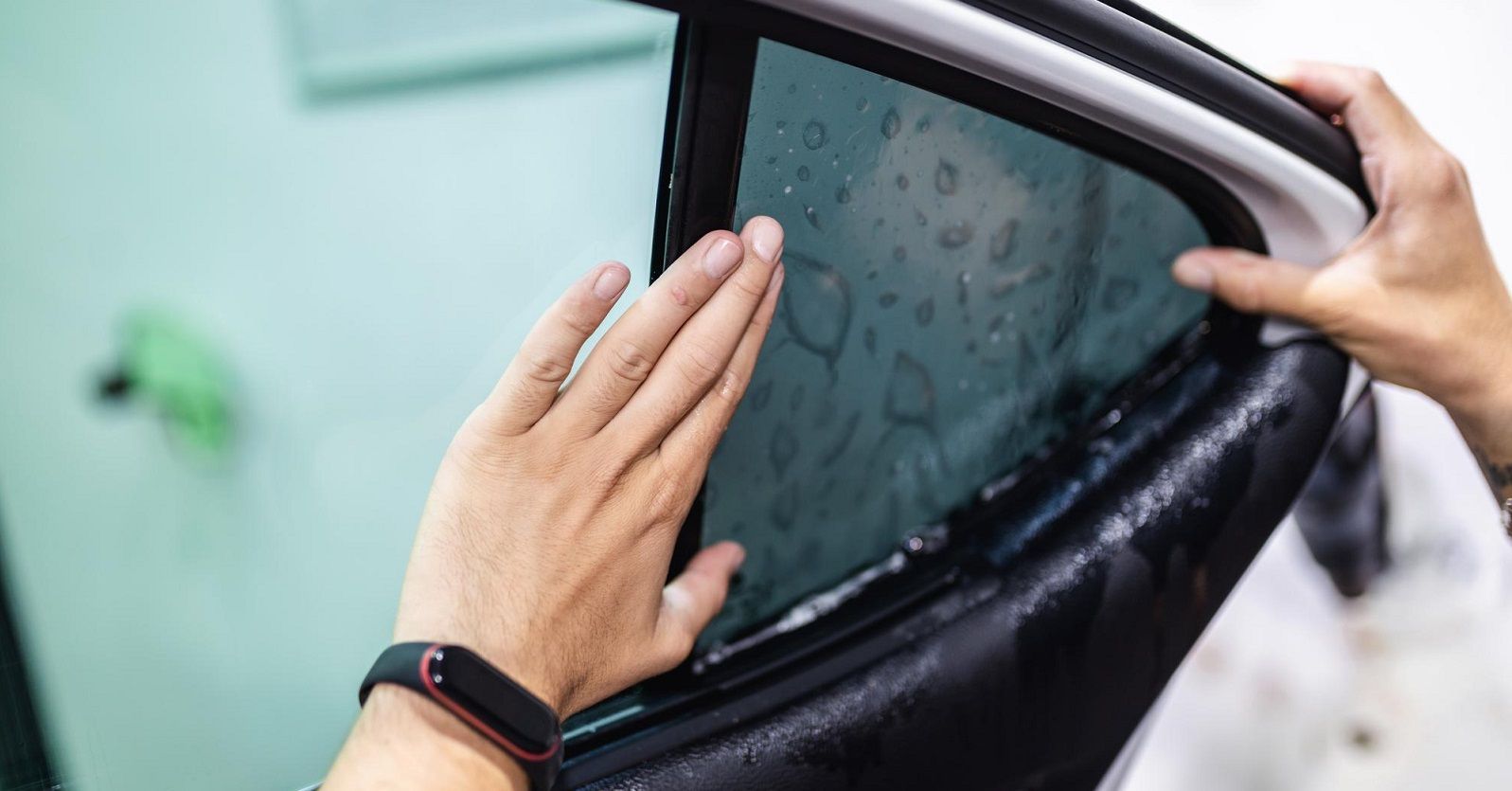
Window tint for cars is a thin film applied to the interior or exterior of car windows. It's available in various shades and materials, each providing different levels of heat and UV protection. Whether you're interested in aesthetics, privacy, or protection, tinted car windows can cater to your needs.
Benefits of Car Window Tint
Tinted car windows offer numerous advantages:
- Heat Reduction: Tinting can significantly reduce the amount of heat that enters your car, making it more comfortable, especially during hot weather.
- UV Protection: Quality window tints block up to 99% of harmful UV rays, protecting your skin and preventing the car's interior from fading.
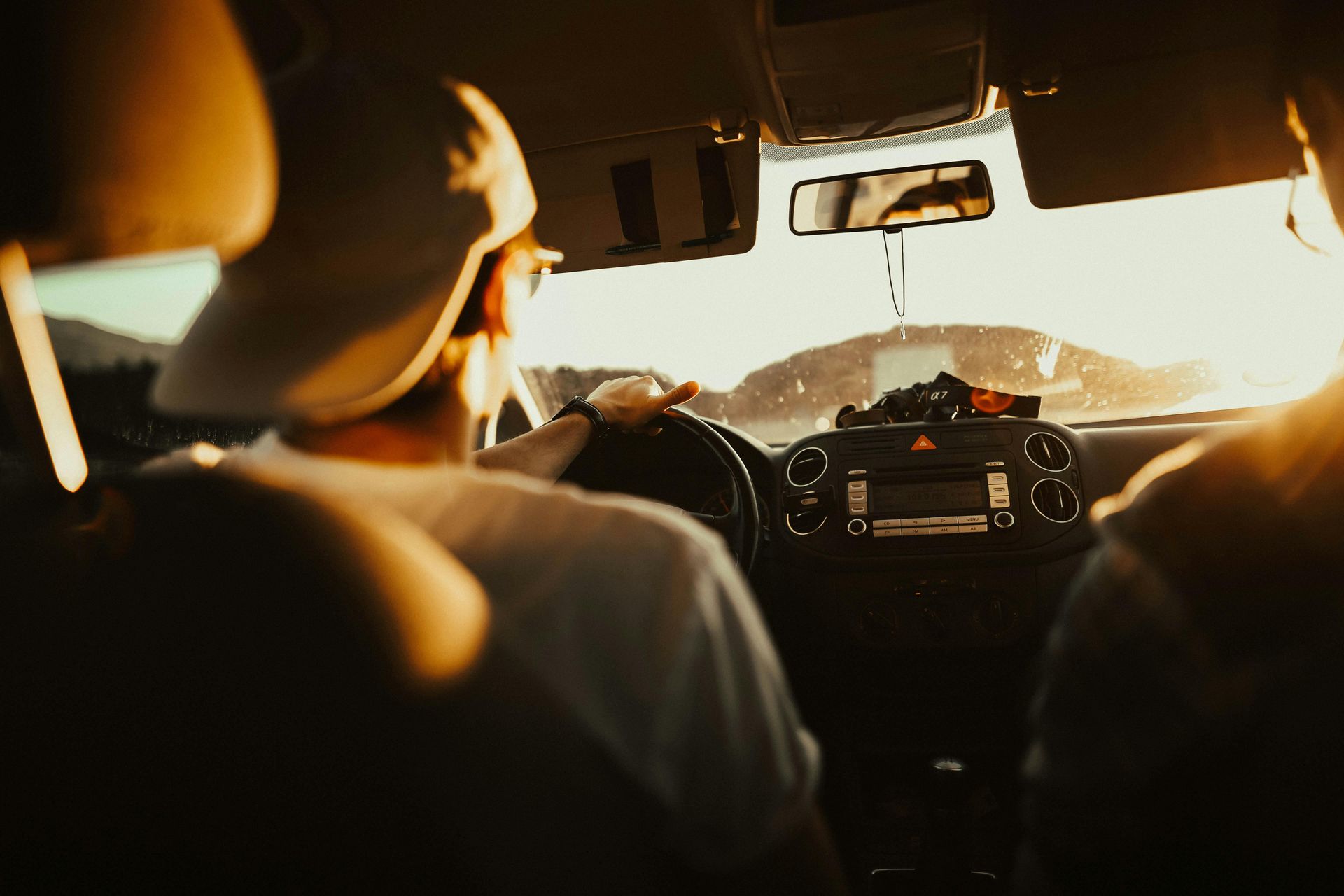
- Glare Reduction: Tinting reduces glare from the sun and headlights, enhancing driving comfort and safety.
- Privacy and Security: Darker tints can provide privacy for passengers and belongings inside the car.
- Enhanced Appearance: Tinted windows can give your car a stylish, sophisticated look.
DIY Window Tinting
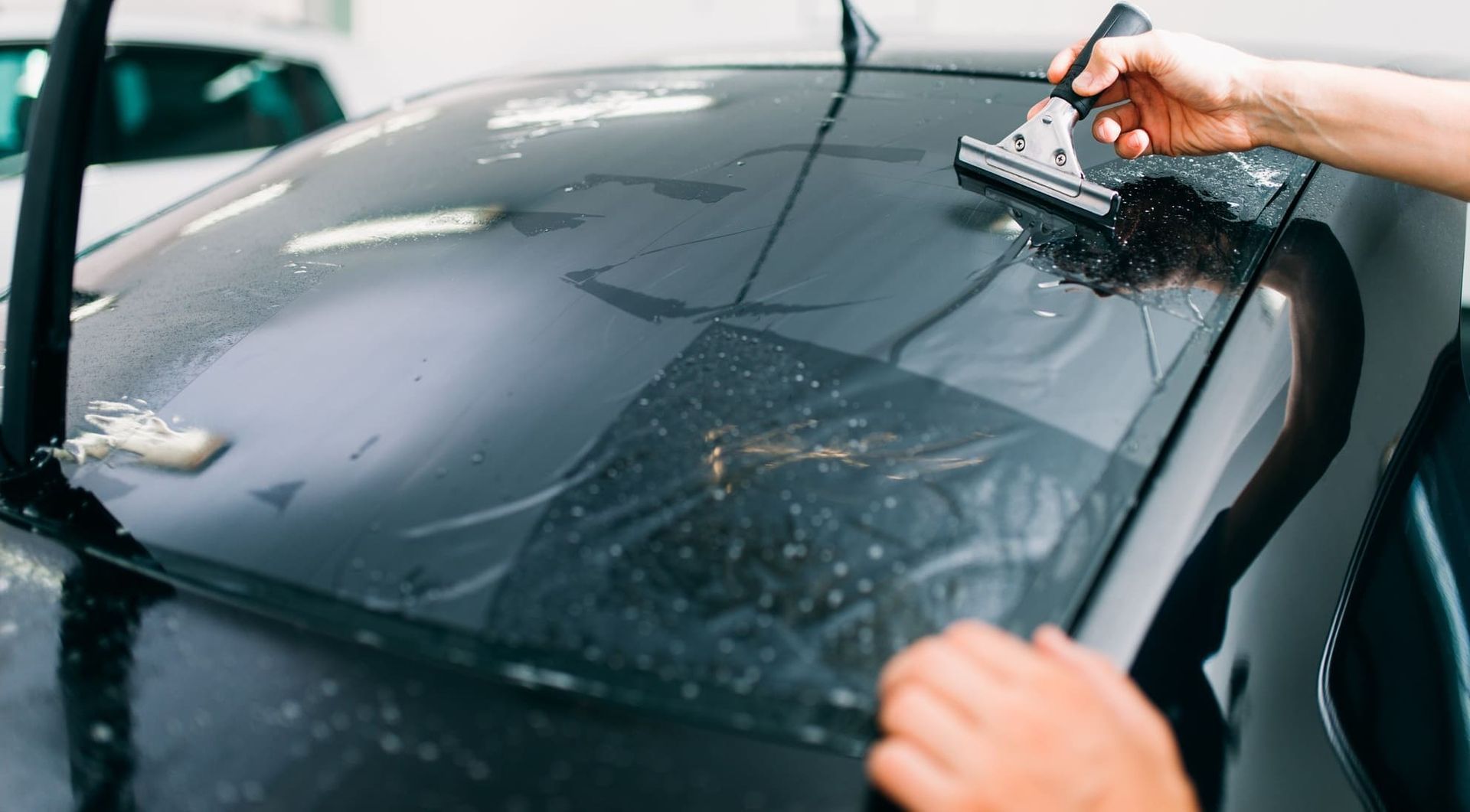
DIY window tinting kits are widely available and can be an attractive option for those looking to save money. However, this method requires careful consideration of several factors.
Pros of DIY Window Tinting
- Cost Savings: DIY kits are generally cheaper than professional services, making them a budget-friendly choice.
- Convenience: You can work on your own schedule and at your own pace without having to drop your car off at a shop.
- Learning Experience: If you're a hands-on person, you might enjoy the challenge and satisfaction of doing it yourself.
Cons of DIY Window Tinting
- Skill Level Required: Tinting car windows requires precision and attention to detail. Without experience, it can be challenging to achieve a professional finish.
- Risk of Mistakes: Common issues with DIY tinting include air bubbles, uneven cuts, and peeling edges, which can detract from the appearance and effectiveness of the tint.
- Time-Consuming: Applying window tint yourself can be time-consuming, especially if you're unfamiliar with the process.
Professional Window Tinting
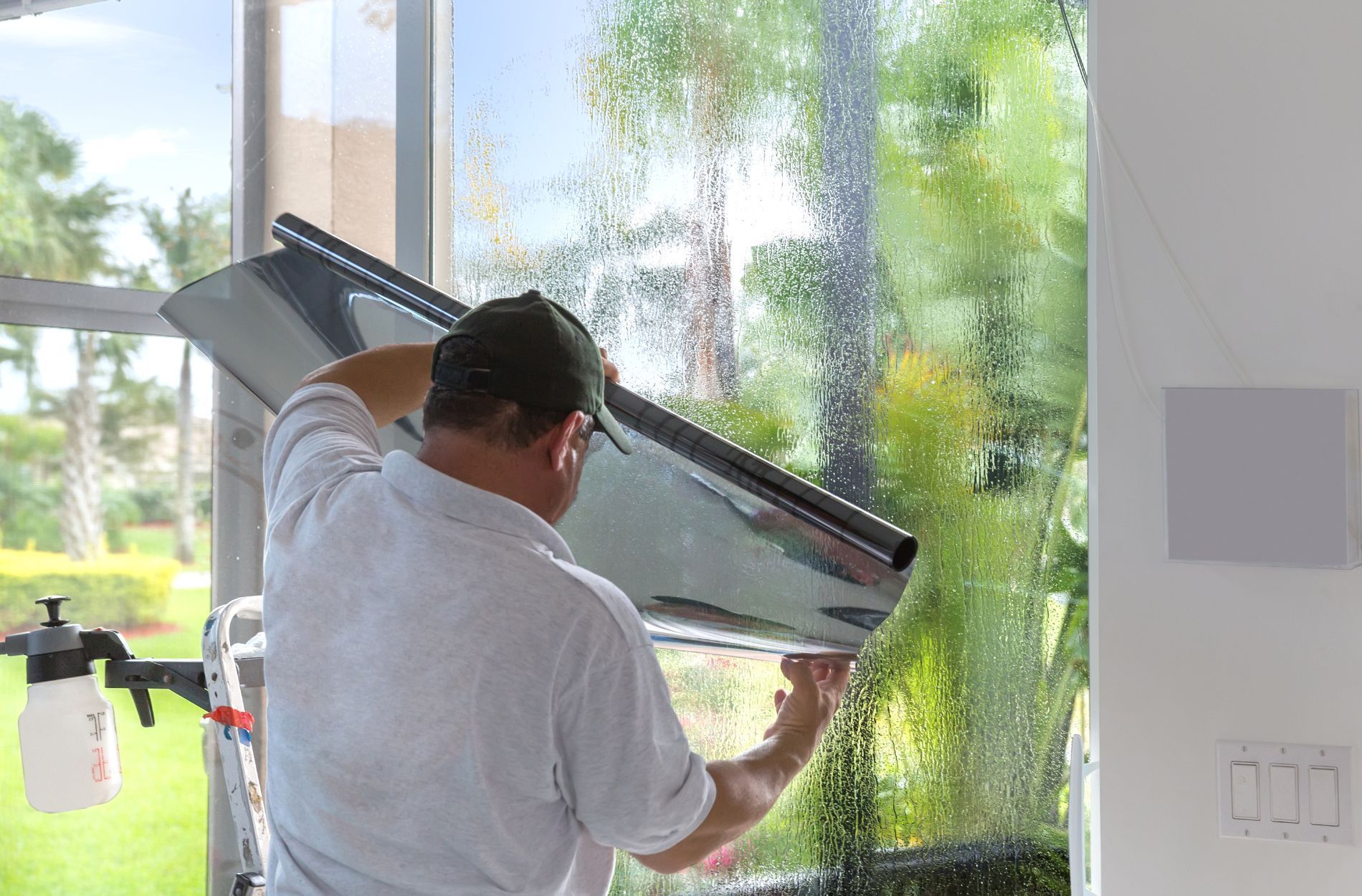
Hiring a professional to tint your car windows can save you time and ensure a high-quality result. Let's look at the benefits and drawbacks of this option.
Pros of Professional Window Tinting
- Expertise: Professionals have the skills and experience to apply window tint smoothly and evenly, minimizing the risk of errors.
- Quality Materials: Reputable tinting shops use high-quality films that offer superior performance and durability.
- Warranty: Many professional services offer warranties on their work, providing peace of mind in case any issues arise.
- Time Efficiency: Professionals can complete the job quickly and efficiently, allowing you to enjoy your tinted windows sooner.
Cons of Professional Window Tinting
- Higher Cost: Professional services are more expensive than DIY kits, which can be a downside for those on a tight budget.
- Scheduling: You may need to schedule an appointment and leave your car at the shop for a few hours or a day.
Making the Right Choice
When deciding between DIY and professional window tinting, consider the following factors:
- Budget: If cost is a major concern, DIY might be the way to go, but be prepared for a potential learning curve.
- Quality Expectations: If you want a flawless finish and long-lasting results, professional tinting is likely the better option.
- Time and Effort: Consider how much time and effort you're willing to invest in the project. DIY tinting can be time-consuming and may require multiple attempts to get right.
- Skill Level: Honestly assess your skills and comfort level with DIY projects. If you're not confident in your ability to achieve a professional-looking result, it might be best to leave it to the experts.
Conclusion
Whether you choose DIY or professional window tinting, both options have their merits. At Solar-Tec Glass Tinting in Eustis, FL, we specialize in professional window tinting using FormulaOne products, ensuring quality and convenience that DIY projects may not provide.
DIY window tinting can be a rewarding project for those who enjoy working with their hands and are looking to save money. However, if you prioritize quality and convenience, hiring a professional from Solar-Tec Glass Tinting may be worth the additional cost.
Ultimately, the decision comes down to your personal preferences, budget, and skill level. By weighing the pros and cons outlined in this article and consulting with our expert team, you can make an informed choice that best suits your needs and enhances your driving experience.
Remember, regardless of the method you choose, window tint for cars offers a range of benefits, from improved comfort and protection to a stylish new look. With the professional services of Solar-Tec Glass Tinting, you can ensure your window tinting is done right. Contact us today for a free estimate and happy tinting!
FAQ: Should You Choose DIY or Professional Window Tinting for Your Car?
What are the main differences between DIY and professional window tinting?
- DIY Window Tinting:
- More affordable upfront.
- Requires time, patience, and precision.
- Higher risk of bubbles, creases, and misalignment.
- Professional Window Tinting:
- Higher initial cost.
- Ensures a flawless finish with expert techniques.
- Includes warranties for materials and workmanship.
What are the advantages of professional window tinting?
- Expert Application: No bubbles, peeling, or uneven cuts.
- High-Quality Materials: Access to premium films like ceramic or carbon.
- Compliance: Professionals ensure tint meets local legal standards.
- Long-Term Durability: Proper installation extends the life of the tint.
Why do some people choose DIY window tinting?
DIY tinting appeals to those who:
- Want to save on upfront costs.
- Are comfortable with detailed, time-intensive tasks.
- Don’t mind the risk of potential imperfections or legal non-compliance.
What are the common mistakes with DIY window tinting?
- Bubbles and Creases: Caused by improper application techniques.
- Poor Adhesion: Results from unclean or improperly prepared windows.
- Misalignment: Leads to an uneven finish and wasted materials.
- Legal Issues: Using non-compliant films or exceeding legal limits.
Is professional tinting worth the extra cost?
Yes, because it ensures:
- A polished, professional appearance.
- Long-lasting results with warranties.
- Proper selection of the best film for your needs and compliance with tint laws.
How long does professional window tinting take compared to DIY?
- DIY Tinting: Can take several hours or even days for first-timers.
- Professional Tinting: Typically completed in 2–4 hours, depending on the vehicle.
Which option is best for me: DIY or professional window tinting?
- Choose DIY If:
- You have experience with similar projects.
- You’re on a tight budget.
- You’re tinting a non-primary vehicle where precision is less critical.
- Choose Professional If:
- You value a flawless, long-lasting finish.
- You want to ensure legal compliance.
- You prefer premium films and warranties.