Florida Heat Gain: SHGC and Window Orientation Effects on Cooling Costs

Keep Florida Heat Outside, Not in Your Living Room
Florida homeowners feel the shift as spring rolls into early summer. Days get longer, the sun feels heavier on your skin, and the AC seems to kick on earlier and stay on later. Then that first higher power bill shows up and it hits hard.
Most people blame “Florida heat” as one big problem. But inside your home, the real trouble often comes from solar heat sneaking through your windows. Glass that looks harmless can act like a magnifying glass for the sun, loading your rooms with extra heat your AC has to fight.
When we understand how solar heat gain works, how window direction plays a role, and how solar control window film for homes in Florida helps, we can cut cooling costs and make rooms much more comfortable. As a professional window tinting team in
Eustis serving Lake County and nearby areas, we spend a lot of time turning that harsh sun into something much easier to live with.
What SHGC Really Means for Your Cooling Bills
Solar Heat Gain Coefficient, or SHGC, sounds like a technical term, but the idea is simple. It is the fraction of the sun’s energy that passes through your window as heat. You can think of it like a “sun heat score” for your glass: a higher number means more heat inside. A lower number means less heat.
Homeowners often see other ratings and get confused, like:
- U-factor: This is more about how well a window holds in indoor temperature, which matters more in cooler climates.
- Visible light transmission: This is how bright the window looks, not how much heat comes through.
- SHGC: This is the rating that really affects how hard your AC works during Florida’s long warm season.
For many homes, common glass types fall into a few basic groups:
- Clear, older glass often has a higher SHGC and lets in a lot of heat.
- Some low-E windows help, but can still let through more sun heat than you would expect.
- Glass with quality solar control window film can drop that SHGC significantly, reducing how much solar heat enters.
What does a lower SHGC feel like in real life? You might notice:
- Cooler spots near big windows and sliders
- Fewer hot and cold swings in the same room
- Less fading on floors, furniture, and artwork
- AC that does not need to cycle as often to keep up
That “sun heat score” becomes a practical tool. Lowering it with the right film makes your windows work with your cooling system instead of against it.
Why Window Direction Matters More in Florida’s Summer
In Florida, the sun is not just hot, it is consistent. It moves across your house in a pattern that repeats every day, and your window direction decides which rooms get blasted and when.
Here is a simple way to think about it:
- East-facing windows: Heat your home in the morning when the sun is low and strong. Bedrooms and kitchens on this side can feel stuffy right after sunrise.
- South-facing glass: Takes on strong midday sun when the sun is highest. Open areas, like living and dining rooms, can feel “baked” for hours.
- West-facing windows: Collect harsh late-afternoon sun that can keep your AC running well into the evening.
During the long days from about May through September, that daily pattern stretches out. The sun hits your glass for more hours, and the angle is often high enough to pour straight through upper windows, tall entry glass, and big sliders.
Common trouble spots we see include:
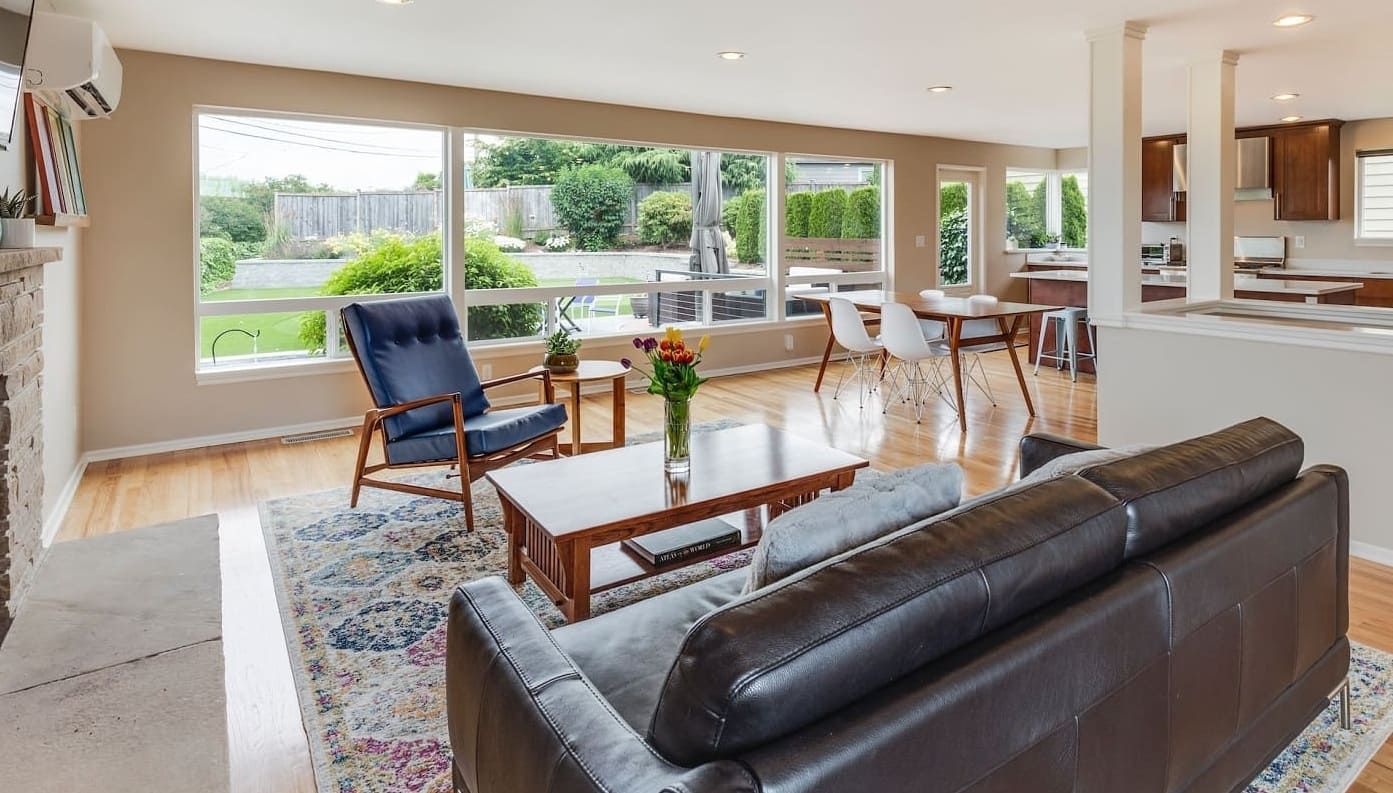
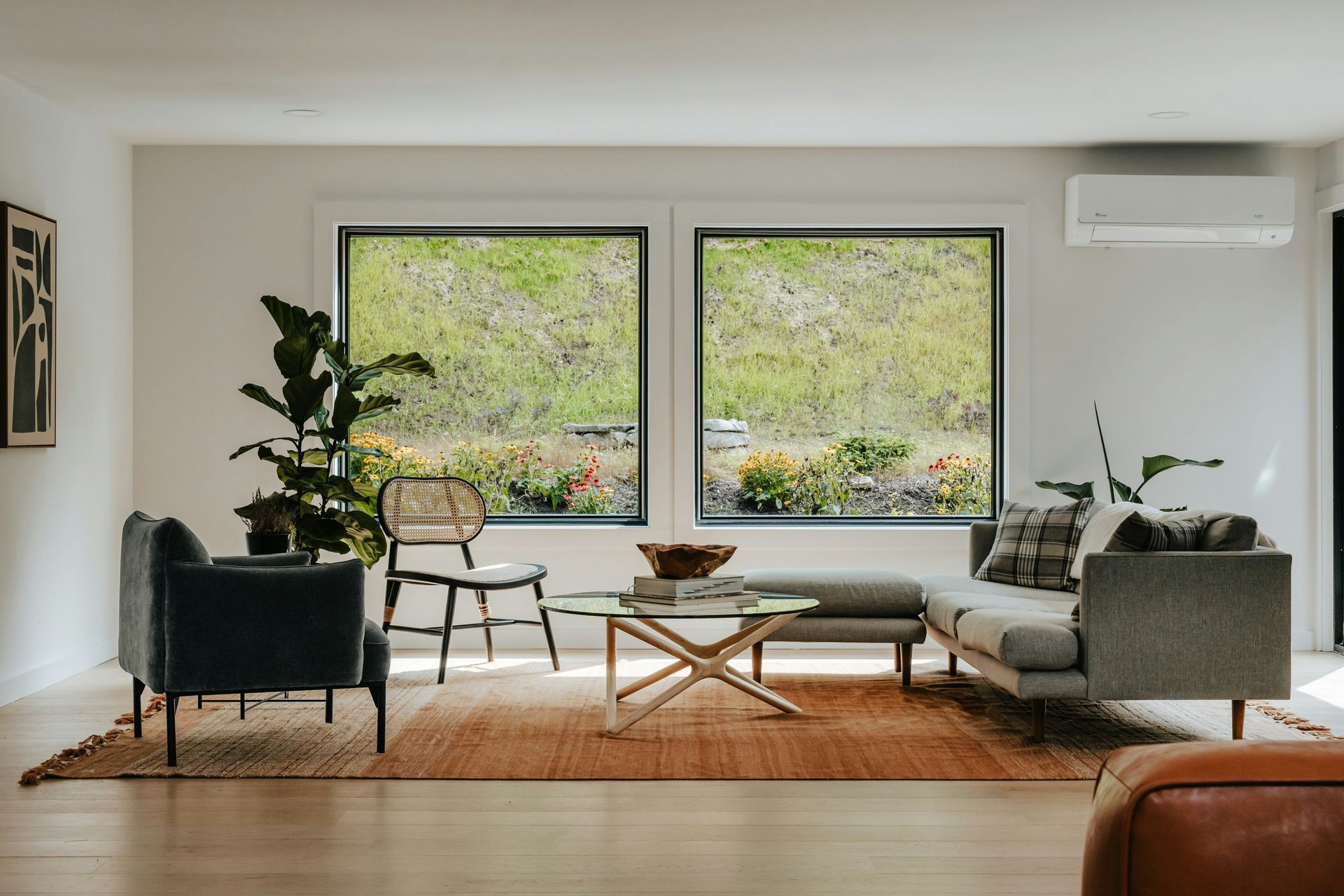
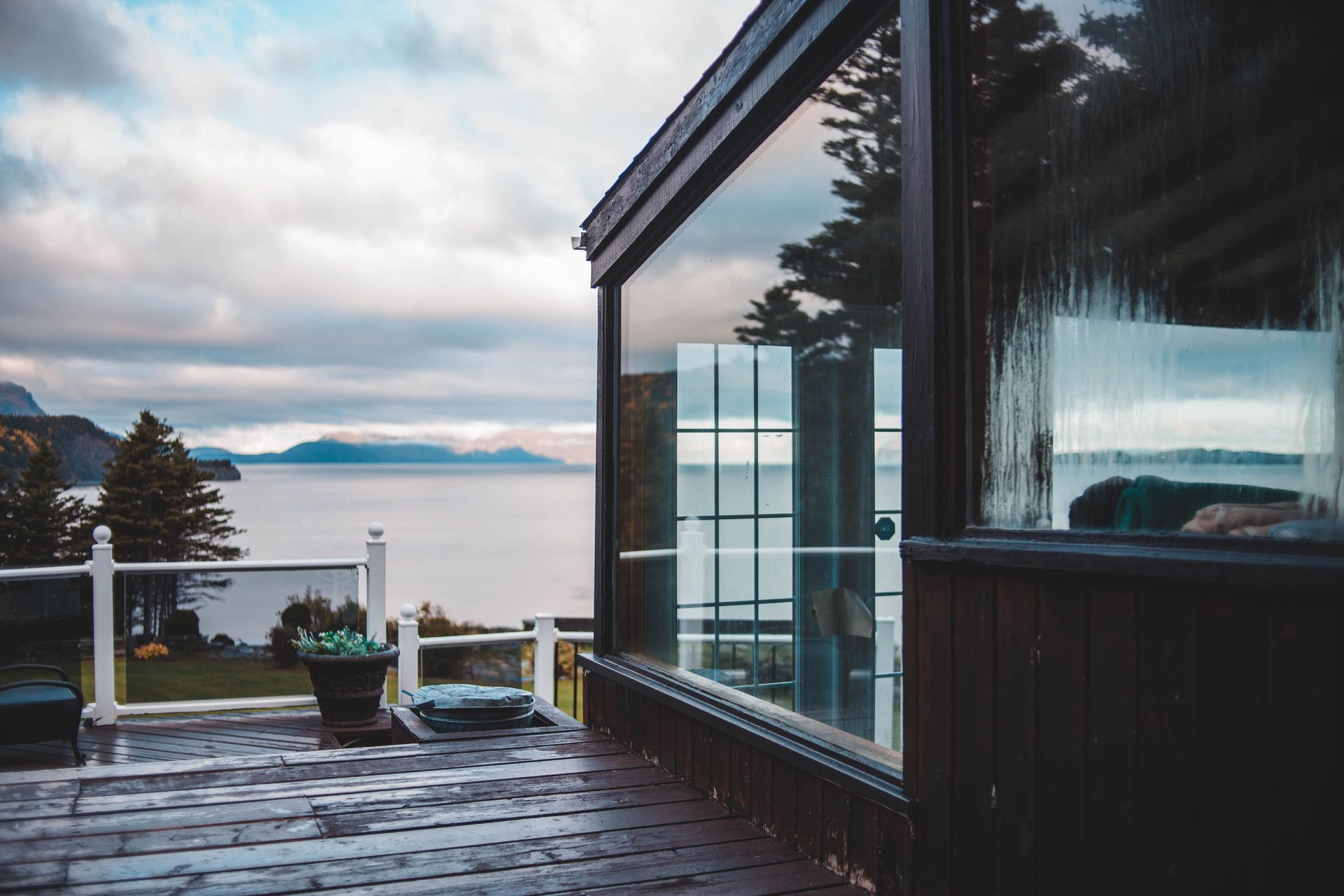
- Large sliding doors facing a lake, pool, or patio that feel too hot to sit near
- West or southwest living rooms that stay warm long after sunset
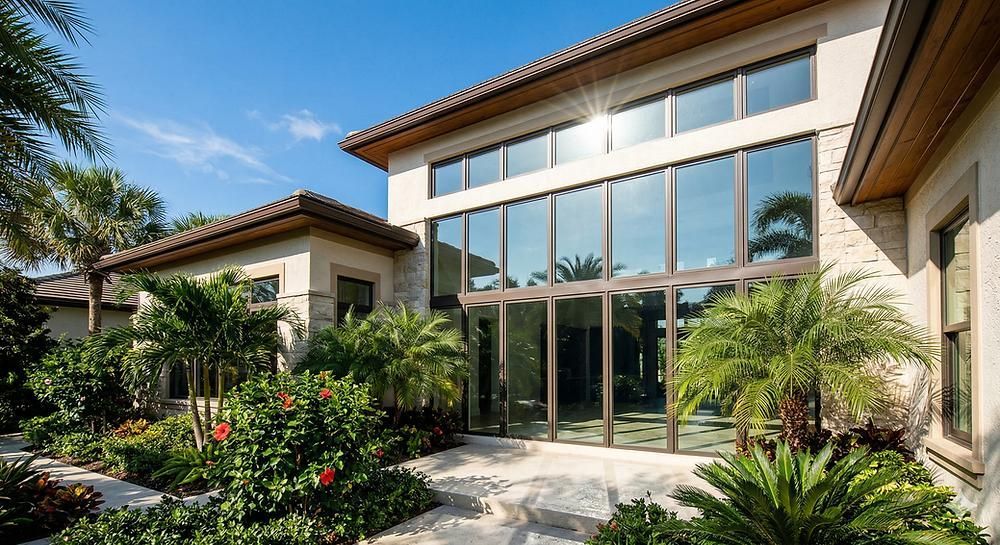
- Tall front entry windows that heat up your foyer like a greenhouse
Even homes with newer “energy-efficient” glass can develop hot spots just from orientation alone. West and southwest exposures are usually the worst for late-day heat. That is where add-on solar control solutions can make the largest difference.
Where Solar Control Window Film Delivers the Biggest Payoff
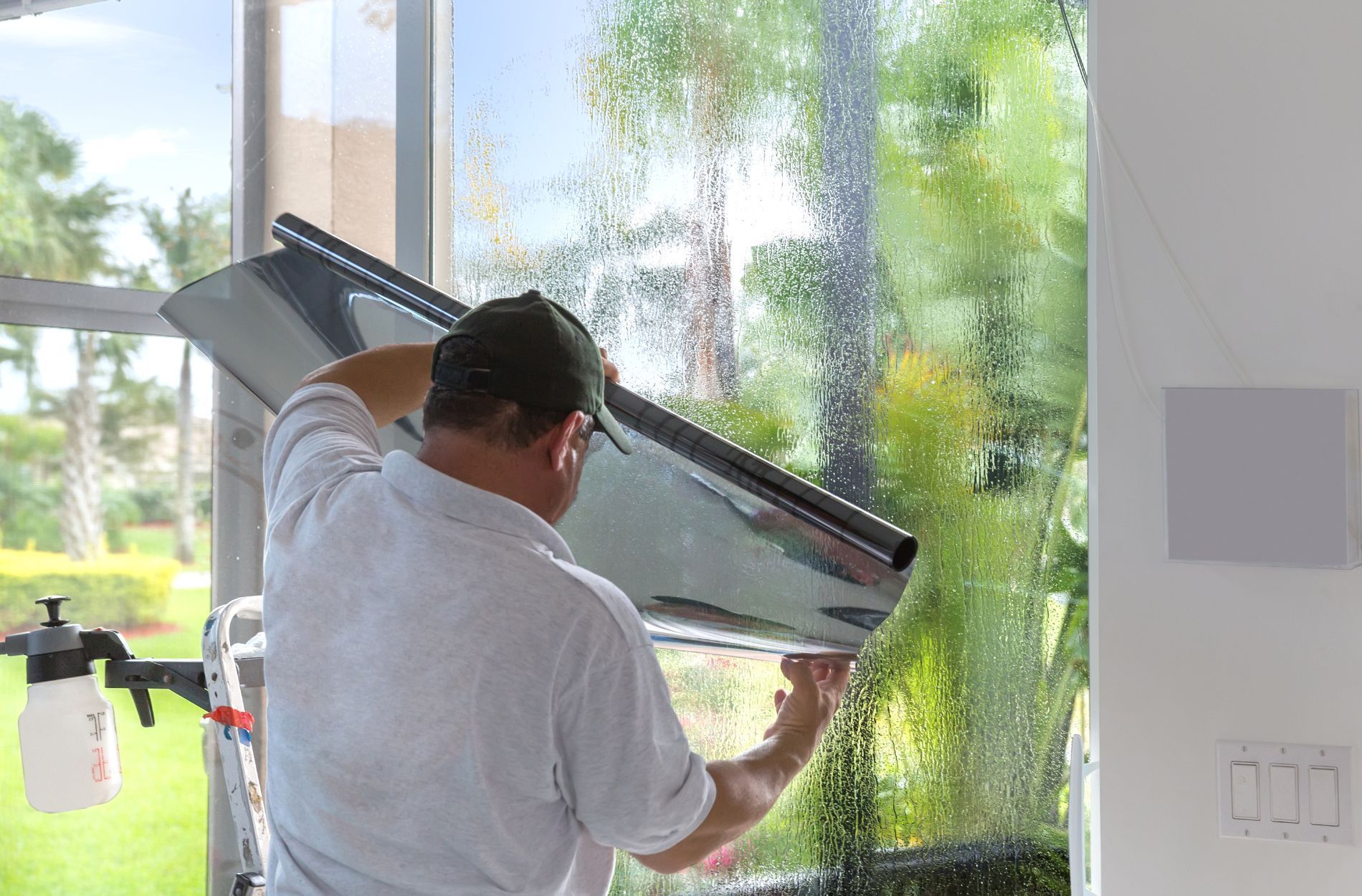
Professional solar control window film for homes in Florida works by lowering the SHGC of the glass you already have. The film is designed to block a meaningful amount of the infrared heat and most of the damaging UV rays while still allowing pleasant natural light and clear views.
You do not have to tint every single window to feel a change. Some of the best targets are:
- Large west and southwest windows that cause late-afternoon heat spikes
- East-facing bedrooms where you want cooler mornings and better sleep
- Big sliders or picture windows that feel too hot to sit next to in late spring and summer
When these high-gain areas are treated, you can notice:
- Lower peak temperatures in the hottest rooms
- Less AC cycling during the strongest sun hours
- Reduced glare on TVs, laptops, and phones
- Slower fading of flooring, rugs, and furniture finishes
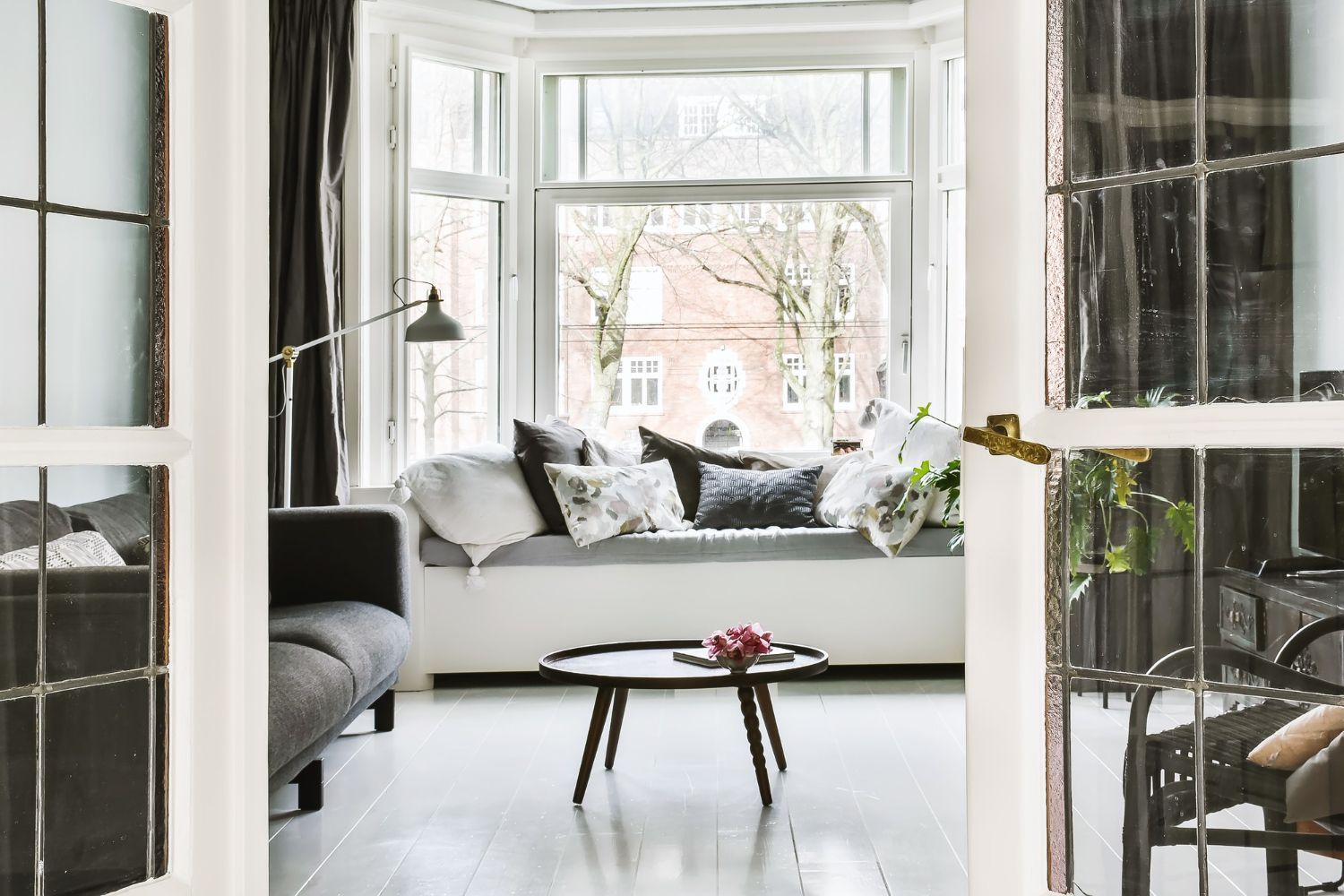
Different rooms often need different balances of heat control, light, and privacy. That is why matching film to window orientation and room use is so helpful. A living room with a lake view might get a film that keeps the view bright but cuts heavy heat, while a bedroom could get something that softens light a bit more for a calmer feel.
Comparing Film to Replacement Windows and DIY Options
When windows are making the home too hot, many people think they have only one option: replace them. Full replacement does have its place, but it is a large, disruptive project that affects walls, trim, and daily routines.
Solar control film is a different path. It works with your existing glass, so:
- There is no major construction inside your home
- You address heat gain faster, especially on the worst sun-facing sides
- It becomes a smart first step before choosing bigger upgrades
DIY tint and bargain-level dark films might look tempting on the shelf, but they usually bring problems:
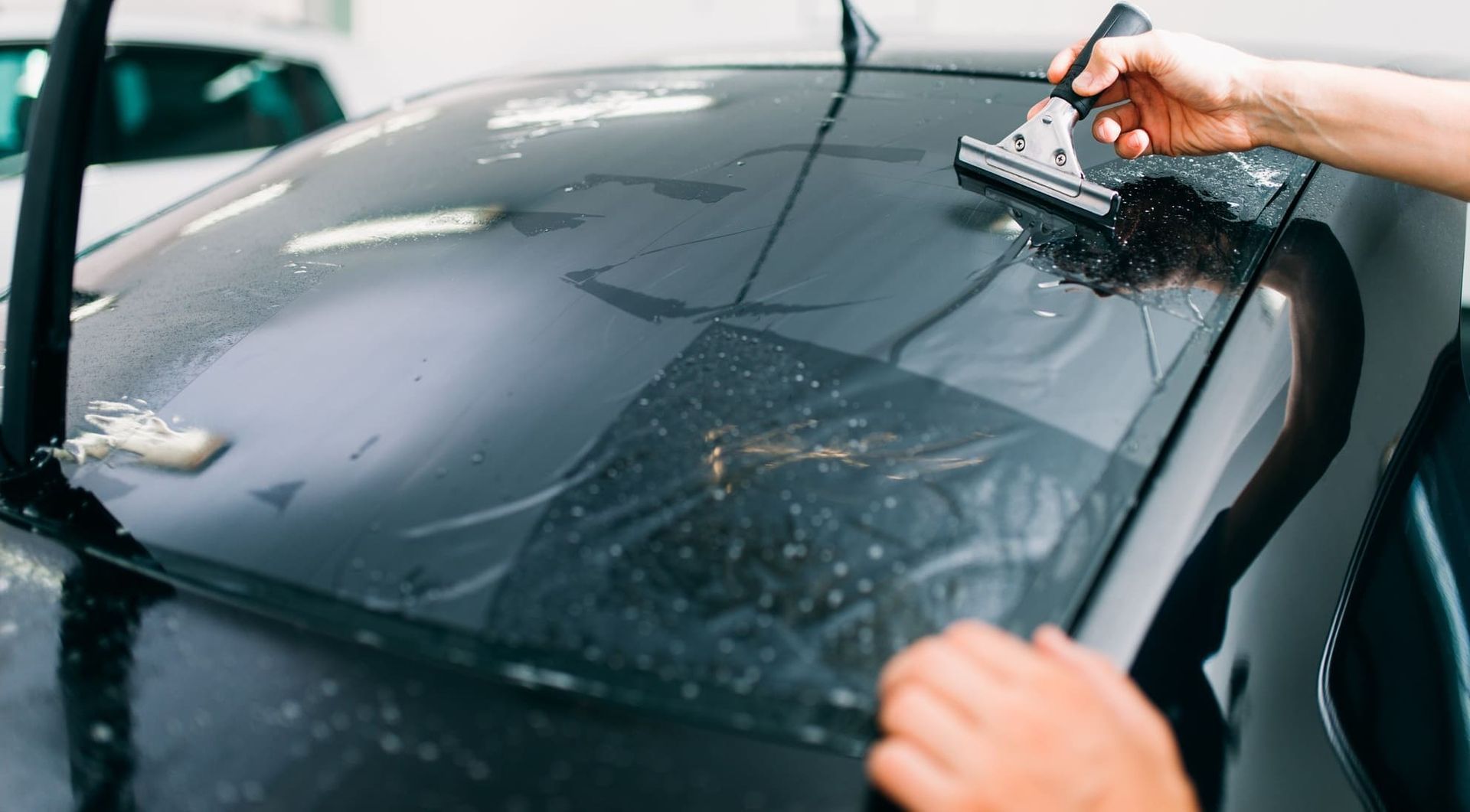
- Uneven installation with bubbles, creases, and dust trapped under the film
- Adhesive issues under Florida’s strong sun and humidity
- Potential stress on certain glass types when the wrong film is used
- Less real-world heat reduction than expected, even if they look very dark
Brand quality, film design, and installer skill all matter. Professional-grade films are made to work with different types of residential glass and come with strong warranties when installed by trained pros. Clean edges, smooth surfaces, and proper curing are what make the film look like part of the window instead of an afterthought.
Film also works well with other home efficiency steps. It can support what you already do with:
- Interior shades and blinds
- Sealing around windows and doors
- Good AC maintenance and thermostat settings
Instead of leaning on only one fix, you create a team of solutions that support each other.
Your Summer Comfort Game Plan with Solar-Tec
Before the hottest months arrive, a simple walk-through of your home can teach you a lot. Note which rooms feel the warmest and at what times of day. Then think about which direction those windows face.
A quick checklist can help:
- List rooms that feel too hot or bright
- Mark the window directions for those rooms
- Pay attention to any glare on TVs or workspaces
- Review a few recent electric bills to see how cooling use has shifted
This gives a clear starting point for a professional assessment. A local window film expert can look at those trouble windows, consider the orientation and size, and then explain which film options would make the most difference for each area.
Many homeowners worry that solar control film will make their windows look dark or mirror-like from the outside. Modern films come in a wide range of shades and styles. Some are very subtle and work well in neighborhoods with strict design rules, while still cutting a meaningful amount of heat.
By understanding SHGC, window direction, and how solar control film changes the way your glass behaves, you can turn those hot, uncomfortable rooms into spaces you enjoy again. At Solar-Tec Glass Tinting, we help Florida homeowners do exactly that, one window at a time.
Get Started With Your Project Today
If you are ready to cut glare, improve comfort, and protect your interior from sun damage, we can help you choose the right
solar control window film for homes in Florida. At
Solar-Tec Glass Tinting, we start with a straightforward assessment of your windows and goals so you know exactly what to expect. Our team will walk you through film options, installation timelines, and pricing so your decision is simple and informed.
Reach out today and let us put our experience to work on your home.