Solar Control Window Film in The Villages: HOA-Friendly Options and Tips
Keep Your Village’s Home Cooler Without Sacrificing Style
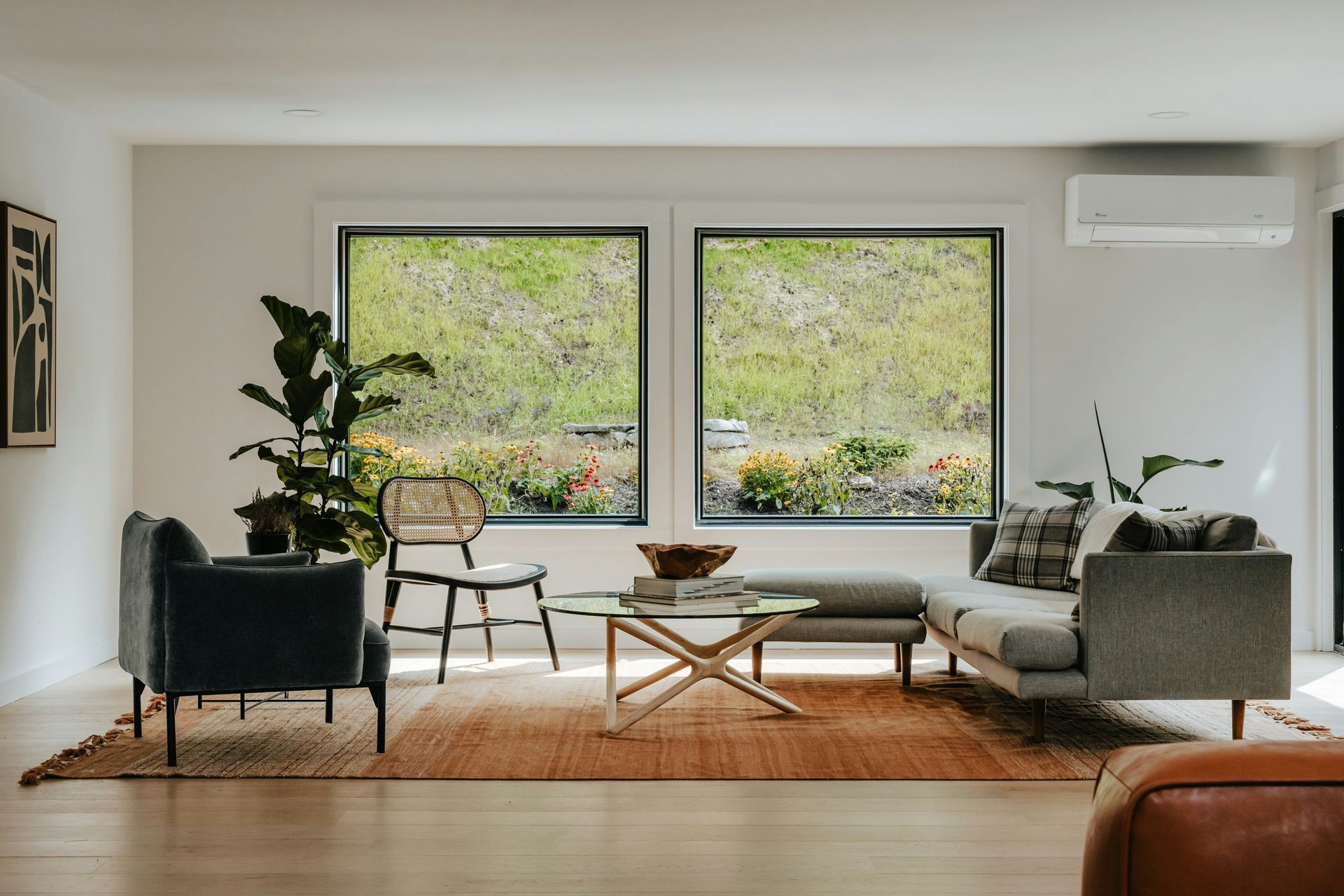
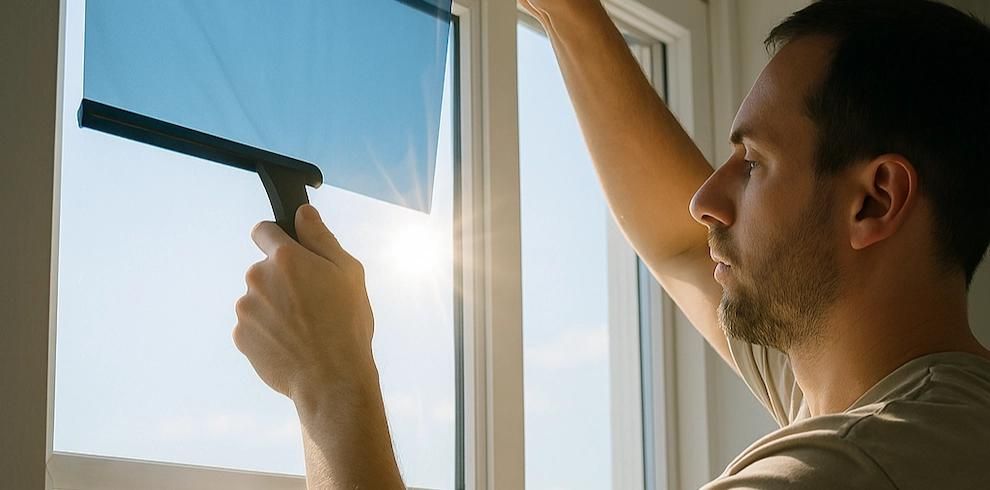
Solar control window film is one of the simplest ways to make a Florida home feel cooler and more comfortable, without changing the look of your windows. In a community like The Villages, where the sun is strong, the days are bright, and you spend a lot of time at home, that matters. Good film can cut heat, reduce glare on your TV and tablet, and help protect your floors and furniture from fading.
Many Villages residents also have another concern: keeping the neighborhood look consistent and keeping the HOA happy. Dark, shiny, or blotchy windows can work against that. The goal is comfort and protection with a clean, refined style that blends right in.
That is where professional-grade solar control window film for homes in Florida really stands out. With the right products and an experienced installer, you can get relief from the sun while keeping your windows looking natural and neat.
How Solar Control Window Film Works in Florida Homes
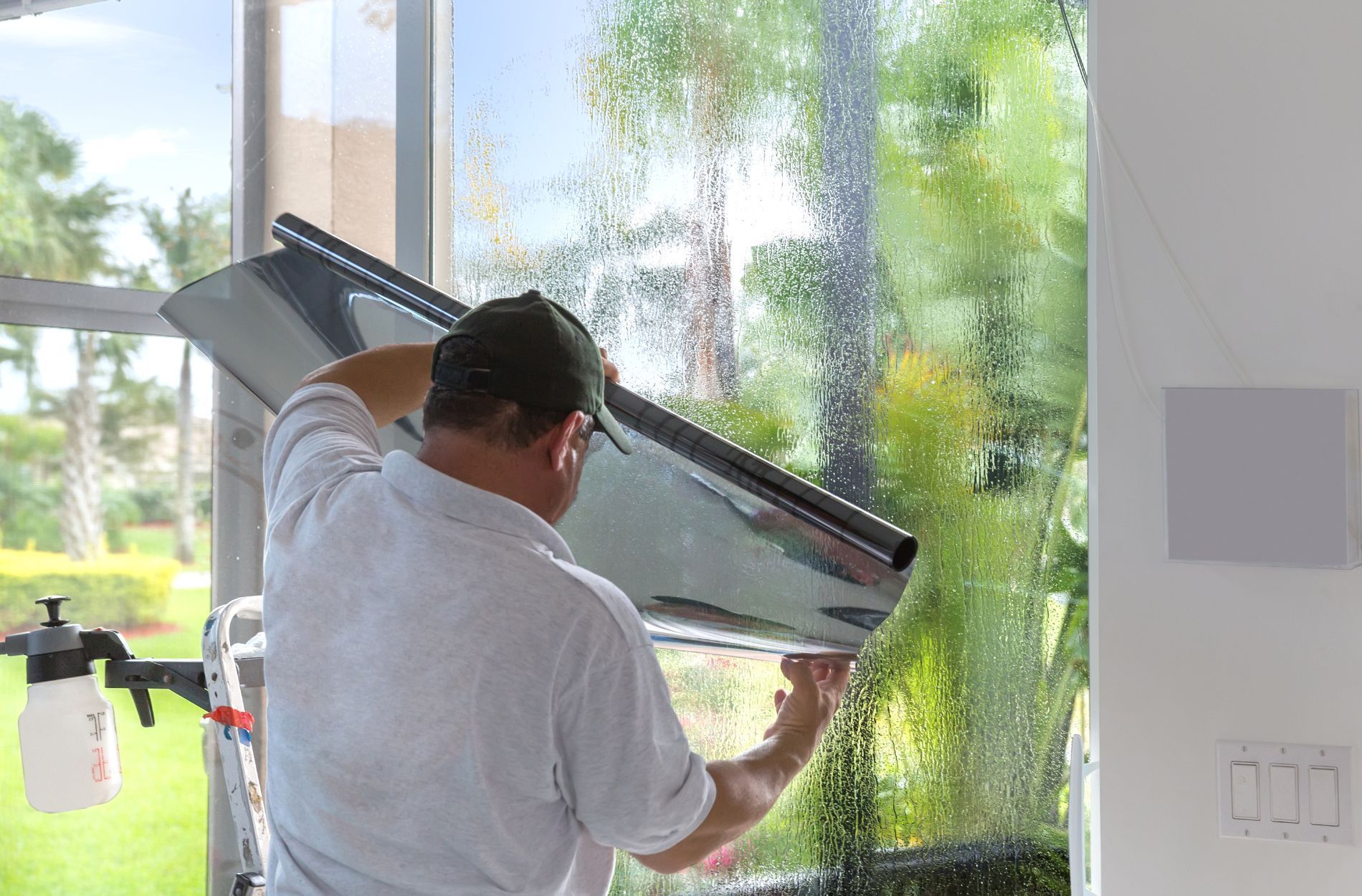
Solar control film is a thin, clear or a lightly tinted layer that goes on the inside surface of your existing glass. It is made to control the way the sun’s energy comes into your home.
Good film is designed to:
- Block a large portion of infrared heat from the sun
- Cut most of the UV rays that cause fading and skin damage
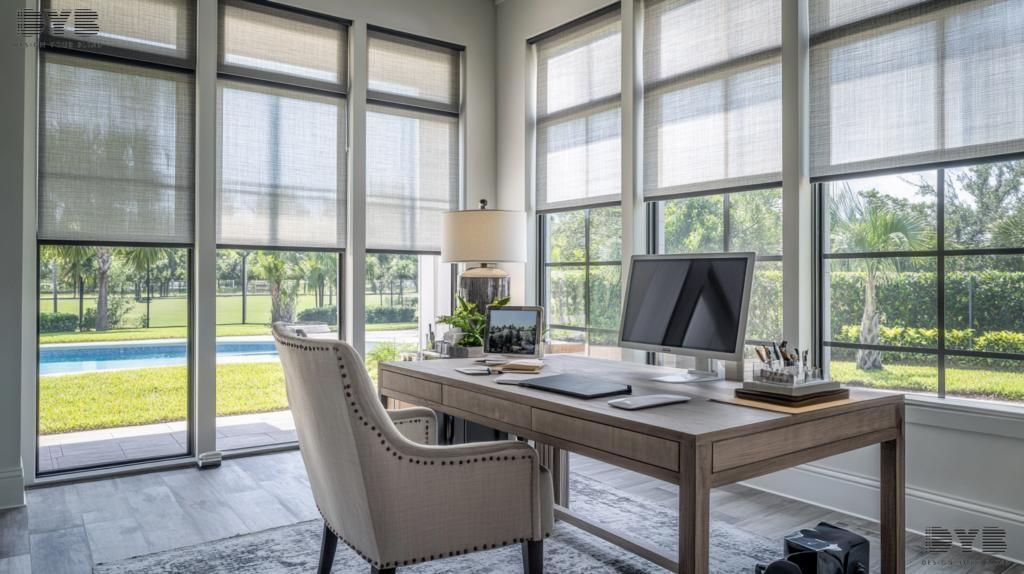
- Soften glare while still letting in natural light
This means rooms that stay cooler and more even in temperature, even in the middle of the day. Many homeowners find that:
- West- and south-facing rooms do not feel like a sauna by afternoon
- The AC does not have to work as hard to keep up
- It is easier to enjoy reading, TV, and computer time without eye strain
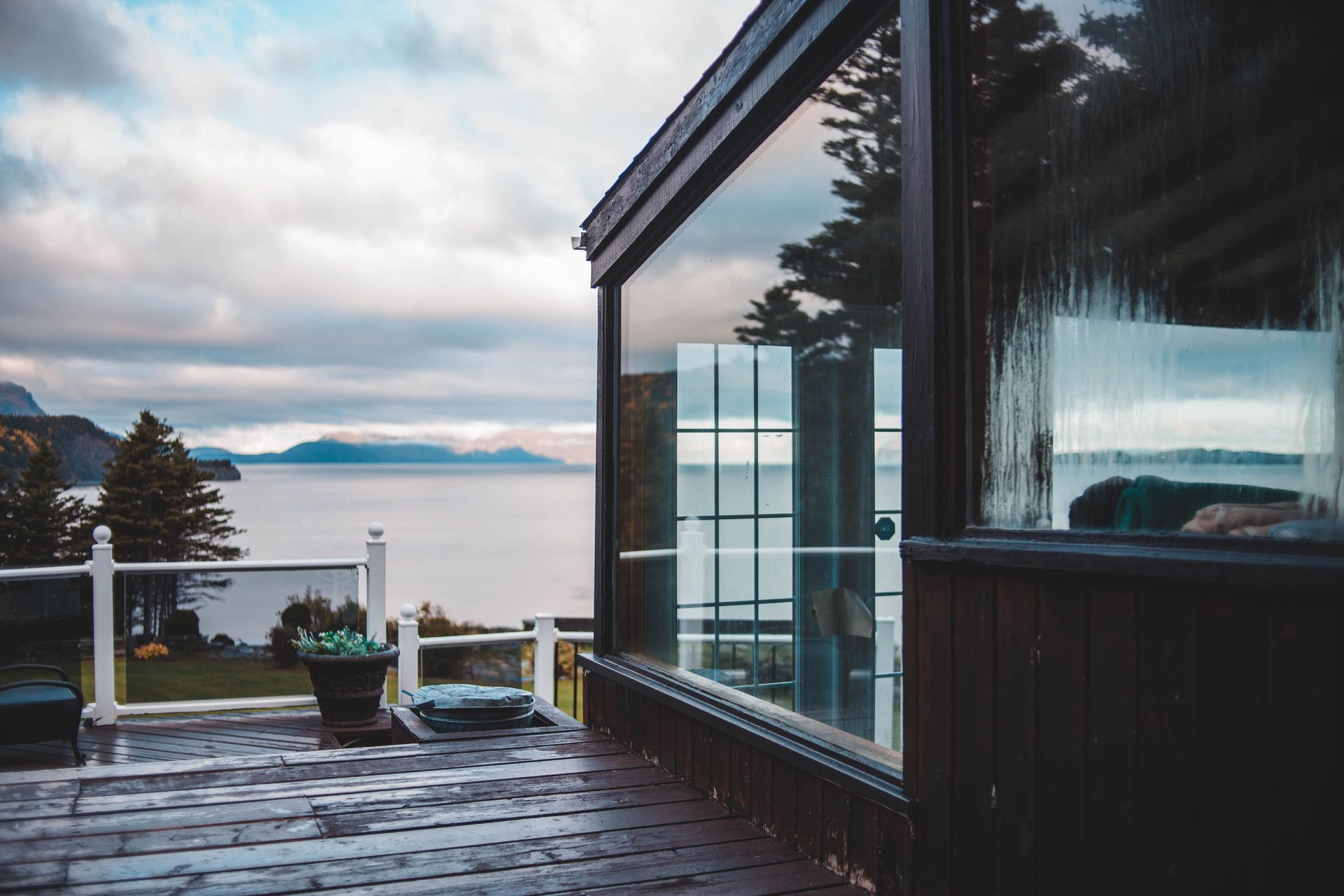
High-quality films, like those from LLumar, are made to keep your views clear. During the day, you can often see out better because the glass is not washed out by glare. At night, well-chosen films help cut reflections from inside lights so you do not feel like you are looking into a mirror.
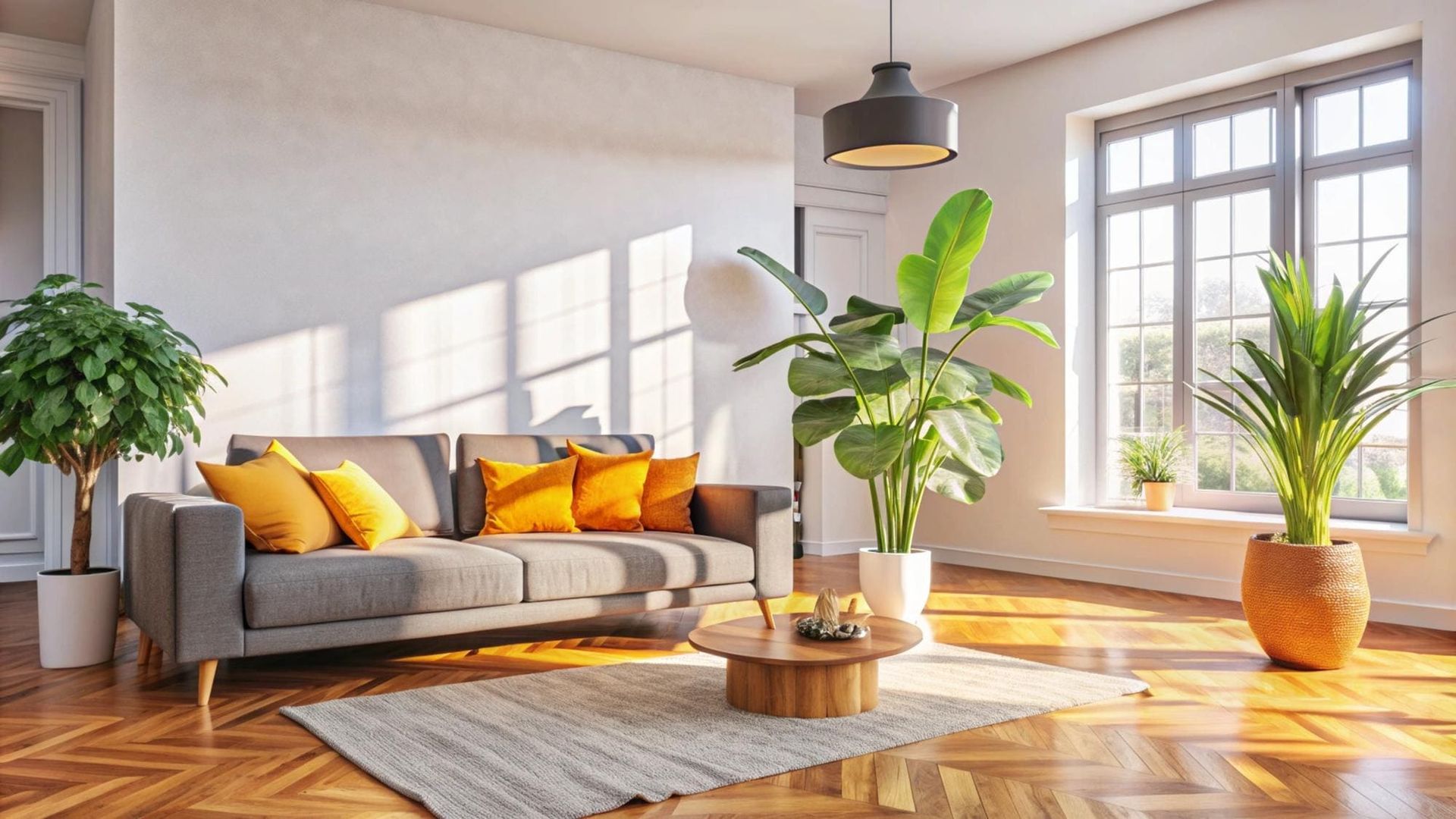
Over time, the UV protection built into solar control film can help slow fading on:
- Hardwood and vinyl floors
- Rugs and carpets
- Upholstery and curtains
- Artwork and photos
So you are not just cooling the space; you are also helping your interior hold its color longer.
HOA-Friendly Window Film Options in the Villages
HOAs in The Villages usually care a lot about how windows look from the street and the golf cart path. Common concerns include:
- Windows that look mirrored or highly reflective
- Glass that is much darker than the neighbors’
- Films that have a strong color, like heavy bronze or blue
- Sloppy installs with bubbles, peeling edges, or uneven panels
The good news is that there are plenty of solar control films that solve heat and glare problems without calling attention to themselves. For HOA-friendly options, most homeowners do well with films that are:
- Neutral in color, not overly gray, bronze, or blue
- Non-reflective or low-reflective, so they do not look like chrome
- Medium to light in shade, close to the look of standard glass
These films are designed to look almost invisible from the street. Someone walking by might notice that the glass looks a bit more uniform, but it will not scream “tinted.”
It can be tempting to pick up a DIY kit or go with a bargain film that promises big heat rejection. The risk is that lower-grade films can:
- Look hazy or wavy when the sun hits them
- Have a harsh mirror look outside
- Fade or shift color over time
- Peel, bubble, or crack
Any of those can draw unwanted attention from your HOA and may lead to headaches you do not need.
Aesthetic Considerations That Keep Your Home Looking Upscale
Even when an HOA allows window film, you still want it to look like it belongs on your home. A little planning goes a long way.
A few things to think about:
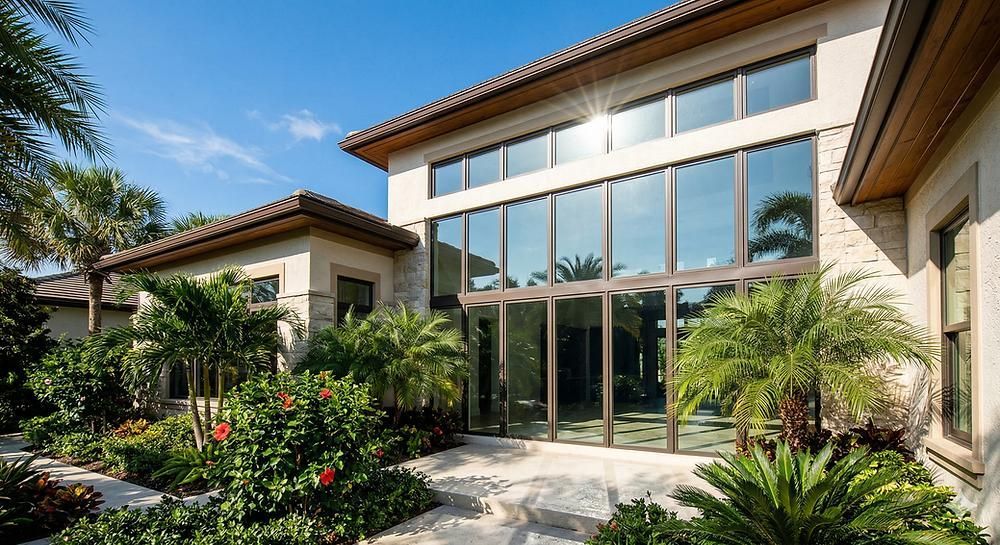
- Exterior finishes: For light stucco or siding, a soft, neutral film keeps things airy and bright. For darker paint or stone, a slightly deeper neutral shade can look grounded and rich.
- Roof color: Very dark film under a very light roof can look unbalanced. Matching the “weight” of the glass to the roof helps keep the whole house looking pulled together.
- Style of home: Most Villages homes look best with a clean, modern, almost invisible film that keeps lines simple and neat.
Some people ask for “automotive dark” because they are used to car tint. On a home, that look can feel heavy and out of place, and it often clashes with HOA expectations. In most cases, the best result is a film that is there to do a job, not to make a statement.
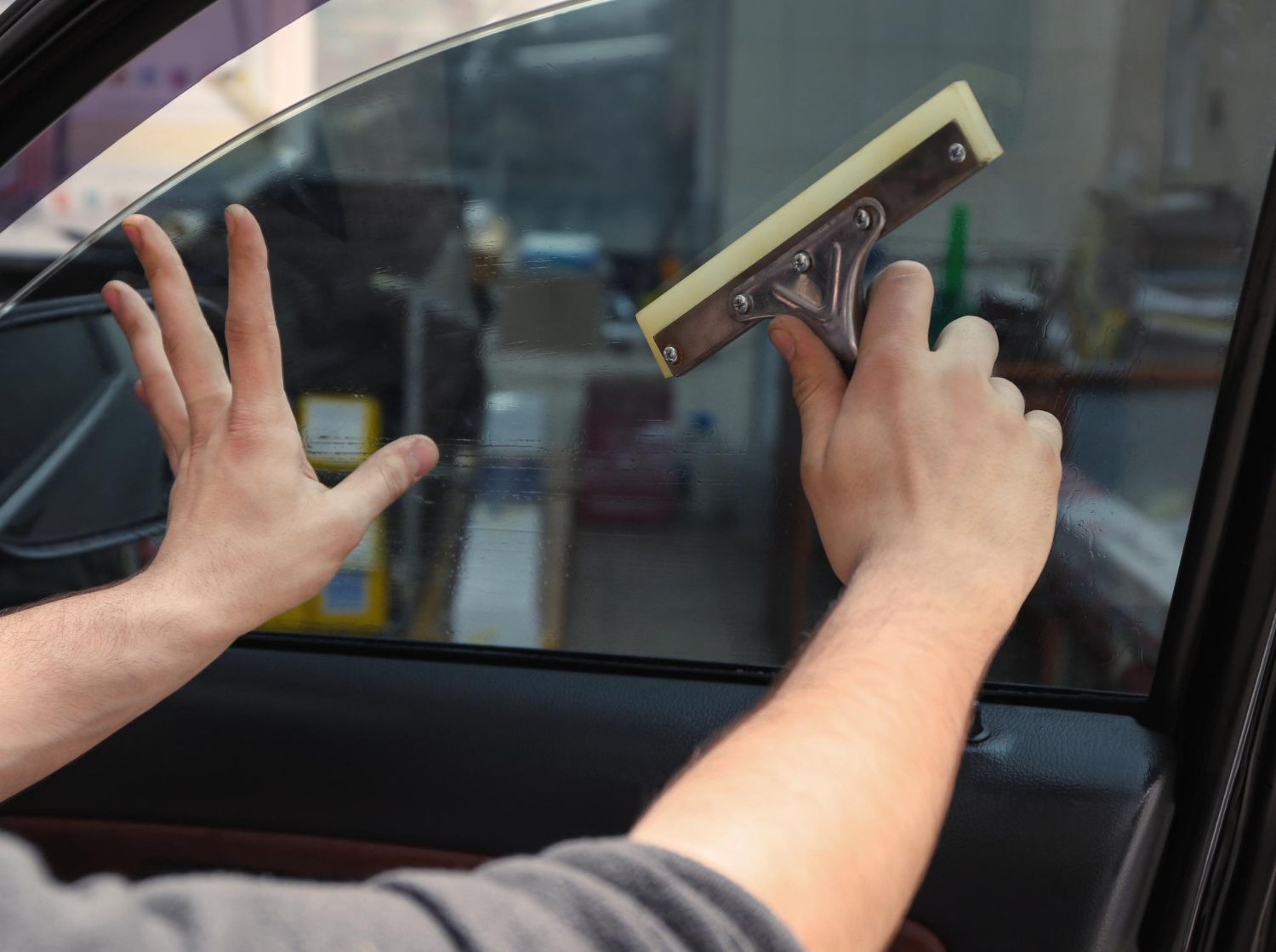
Professional installation also makes a huge difference. A skilled installer will:
- Use full, clean sheets of film across each pane
- Cut edges tight to the frame so there are no jagged lines
- Match the same film across all visible windows for a consistent look
That kind of detail is what makes your home look polished instead of patched together.
What to Ask Your Installer Before You Tint Your Windows
Before you move forward, it helps to ask clear, simple questions so you know what you are getting.
Performance questions:
- What is the visible light transmission? (How light or dark will this look?)
- How much solar heat does this film reject?
- Does it block most UV rays?
- Is this film specifically made for residential solar control in Florida’s sun?
Installer and product questions:
- Are you licensed and insured for this type of work?
- What film brands do you use, and why those?
- What training or experience do you have with residential projects?
- Have you installed film on homes in The Villages or other HOA communities?
Warranty questions:
- What is the manufacturer warranty on this film?
- Is there a workmanship guarantee on the installation?
- Is there any coverage if insulated or double-pane glass has an issue after film is installed?
A professional should be able to explain these answers in plain terms and show you samples on glass so you can see the color and reflectivity before you decide.
Seasonal Timing Tips for Summer-Ready Comfort
Spring is a smart time to think about solar control window film for homes in Florida. The sun is already strong, but the busiest months for home projects have not fully hit yet. Getting on the schedule before peak season can give you more choice in timing.
A few timing tips:
- Remember that film needs time to cure. In Central Florida’s humidity, the film may look a little hazy at first, then it clears as moisture works its way out.
- Try to plan around travel or when family is visiting so installers can work without extra traffic through the house.
- If you cannot do the whole home at once, start with the worst offenders:
- Lanai and sunroom glass
- Large west- and south-facing windows
- Front-facing rooms that heat up early in the day
Treating those areas first usually gives you the fastest comfort boost. Over time, you can add film to less sunny rooms so the entire home feels more even and easier to cool.
By choosing the right film, asking the right questions, and timing the project well, you can enjoy a cooler, softer, and more comfortable Villages home that still looks like it fits perfectly in the neighborhood.
Cut Your Cooling Costs With Advanced Solar Protection Today
If you are ready to lower your energy bills and make your rooms more comfortable, our team at
Solar-Tec Glass Tinting is here to help. Let us show you how
solar control window film for homes in Florida can reduce heat, protect interiors, and improve everyday comfort.
Reach out today so we can review your windows, answer your questions, and recommend the right film for your home.